DR ERIC DR ERIC DR ERIC
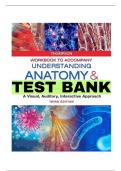
TEST BANK FOR Advanced Assessment Interpreting
Findings and Formulating Differential Diagnoses
5th Edition Goolsby Chapters 1 - 22 | Complete
DR ERIC DR ERIC DR ERIC
,DR ERIC DR ERIC DR ERIC
TABLE OF CONTENTS
K K
ChapterK1.KAssessmentKandKClinicalKDecisionKMaking:KAnKOverview
ChapterK2.KGenomicKAssessment:KInterpretingKFindingsKandKFormulatingKDifferentialKDiagnoses
ChapterK3.KSkin
ChapterK4.KHead,KFace,KandKNeck
ChapterK5.KTheKEye
ChapterK6.KEar,KNose,KMouth,KandKThroat
ChapterK7.KCardiacKandKPeripheralKVascularKSystems
ChapterK8.KRespiratoryKSystem
ChapterK9.KBreasts
ChapterK10.KAbdomen
ChapterK11.KGenitourinaryKSystem
ChapterK12.KMaleKReproductiveKSystem
ChapterK13.KFemaleKReproductiveKSystem
ChapterK14.KMusculoskeletalKSystem
ChapterK15.KNeurologicalKSystem
ChapterK16.KNonspecificKComplaints
ChapterK17.KPsychiatricKMentalKHealth
ChapterK18.KPediatricKPatients
ChapterK19.KPregnantKPatients
ChapterK20.KAssessmentKofKtheKTransgenderKorKGenderKDiverseKAdult
ChapterK21.KOlderKPatients
ChapterK22.KPersonsKWithKDisabilities
DR ERIC DR ERIC DR ERIC
, DR ERIC DR ERIC DR ERIC
Chapter 1. Assessment and Clinical Decision Making: An Overview
K K K K K K K K
MultipleK Choice
IdentifyKtheKchoiceKthatKbestKcompletesKtheKstatementKorKanswersKtheKquestion.
K 1. WhichKtypeKofKclinicalKdecision-makingKisKmostKreliable?
A. Intuitive
B. Analytical
C. Experiential
D. Augenblick
K 2. WhichKofKtheKfollowingKisKfalse?KToKobtainKadequateKhistory,Khealth-careKprovidersKmustKbe:
A. MethodicalKandKsystematic
B. AttentiveKtoKtheKpatient‘sKverbalKandKnonverbalKlanguag
e
C. AbleKtoKaccuratelyKinterpretKtheKpatient‘sKresponses
D. AdeptKatKreadingKintoKtheKpatient‘sKstatements
K 3. EssentialKpartsKofKaKhealthKhistoryKincludeKallKofKtheKfollowingKexcept:
A. ChiefKcomplaint
B. HistoryKofKtheKpresentKillness
C. CurrentKvitalKsigns
D. AllKofKtheKaboveKareKessentialKhistoryKcomponen
ts
K 4. WhichKofKtheKfollowingKisKfalse?KWhileKperformingKtheKphysicalKexamination,KtheKexaminerKmustKbeKableKto:
A. DifferentiateKbetweenKnormalKandKabnormalKfindings
B. RecallKknowledgeKofKaKrangeKofKconditionsKandKtheirKassociatedKsignsKandKsympto
ms
C. RecognizeKhowKcertainKconditionsKaffectKtheKresponseKtoKotherKconditions
D. ForeseeKunpredictableKfindings
K 5. TheKfollowingKisKtheKleastKreliableKsourceKofKinformationKforKdiagnosticKstatistics:
A. Evidence-basedKinvestigations
B. PrimaryKreportsKofKresearch
C. EstimationKbasedKonKaKprovider‘sKexperienc
DR ERIC e DR ERIC DR ERIC
, D. PublishedKmeta-analyses
DR ERIC DR ERIC DR ERIC
K 6. TheKfollowingKcanKbeKusedKtoKassistKinKsoundKclinicalKdecision-making:
A. AlgorithmKpublishedKinKaKpeer-
reviewedKjournalKarticle
B. ClinicalKpracticeKguidelines
C. Evidence-basedKresearch
D. AllKofKtheKabove
K 7. IfKaKdiagnosticKstudyKhasKhighKsensitivity,K thisKindicatesKa:
A. HighKpercentageKofKpersonsKwithKtheKgivenKconditionKwillKhaveKanKabnormalKre
sult
B. LowKpercentageKofKpersonsKwithKtheKgivenKconditionKwillKhaveKanKabnormalKres
ult
C. LowKlikelihoodKofKnormalKresultKinKpersonsKwithoutKaKgivenKcondition
D. NoneKofKtheKabove
K 8. IfKaKdiagnosticKstudyKhasKhighKspecificity,K thisKindicatesKa:
A. LowKpercentageKofKhealthyKindividualsKwillKshowKaKnormalKresult
B. HighKpercentageKofKhealthyKindividualsKwillKshowKaKnormalKresult
C. HighKpercentageKofKindividualsKwithKaKdisorderKwillKshowKaKnormalKresult
D. LowKpercentageKofKindividualsKwithKaKdisorderKwillKshowKanKabnormalKres
ult
K 9. AKlikelihoodKratioKaboveK1KindicatesKthatKaKdiagnosticKtestKshowingKa:
A. PositiveKresultKisKstronglyKassociatedKwithKtheKdisease
B. NegativeKresultKisKstronglyKassociatedKwithKabsenceKofKtheKdisea
se
C. PositiveKresultKisKweaklyKassociatedKwithKtheKdisease
D. NegativeKresultKisKweaklyKassociatedKwithKabsenceKofKtheKdiseas
e
DR ERIC DR ERIC DR ERIC
TEST BANK FOR Advanced Assessment Interpreting
Findings and Formulating Differential Diagnoses
5th Edition Goolsby Chapters 1 - 22 | Complete
DR ERIC DR ERIC DR ERIC
,DR ERIC DR ERIC DR ERIC
TABLE OF CONTENTS
K K
ChapterK1.KAssessmentKandKClinicalKDecisionKMaking:KAnKOverview
ChapterK2.KGenomicKAssessment:KInterpretingKFindingsKandKFormulatingKDifferentialKDiagnoses
ChapterK3.KSkin
ChapterK4.KHead,KFace,KandKNeck
ChapterK5.KTheKEye
ChapterK6.KEar,KNose,KMouth,KandKThroat
ChapterK7.KCardiacKandKPeripheralKVascularKSystems
ChapterK8.KRespiratoryKSystem
ChapterK9.KBreasts
ChapterK10.KAbdomen
ChapterK11.KGenitourinaryKSystem
ChapterK12.KMaleKReproductiveKSystem
ChapterK13.KFemaleKReproductiveKSystem
ChapterK14.KMusculoskeletalKSystem
ChapterK15.KNeurologicalKSystem
ChapterK16.KNonspecificKComplaints
ChapterK17.KPsychiatricKMentalKHealth
ChapterK18.KPediatricKPatients
ChapterK19.KPregnantKPatients
ChapterK20.KAssessmentKofKtheKTransgenderKorKGenderKDiverseKAdult
ChapterK21.KOlderKPatients
ChapterK22.KPersonsKWithKDisabilities
DR ERIC DR ERIC DR ERIC
, DR ERIC DR ERIC DR ERIC
Chapter 1. Assessment and Clinical Decision Making: An Overview
K K K K K K K K
MultipleK Choice
IdentifyKtheKchoiceKthatKbestKcompletesKtheKstatementKorKanswersKtheKquestion.
K 1. WhichKtypeKofKclinicalKdecision-makingKisKmostKreliable?
A. Intuitive
B. Analytical
C. Experiential
D. Augenblick
K 2. WhichKofKtheKfollowingKisKfalse?KToKobtainKadequateKhistory,Khealth-careKprovidersKmustKbe:
A. MethodicalKandKsystematic
B. AttentiveKtoKtheKpatient‘sKverbalKandKnonverbalKlanguag
e
C. AbleKtoKaccuratelyKinterpretKtheKpatient‘sKresponses
D. AdeptKatKreadingKintoKtheKpatient‘sKstatements
K 3. EssentialKpartsKofKaKhealthKhistoryKincludeKallKofKtheKfollowingKexcept:
A. ChiefKcomplaint
B. HistoryKofKtheKpresentKillness
C. CurrentKvitalKsigns
D. AllKofKtheKaboveKareKessentialKhistoryKcomponen
ts
K 4. WhichKofKtheKfollowingKisKfalse?KWhileKperformingKtheKphysicalKexamination,KtheKexaminerKmustKbeKableKto:
A. DifferentiateKbetweenKnormalKandKabnormalKfindings
B. RecallKknowledgeKofKaKrangeKofKconditionsKandKtheirKassociatedKsignsKandKsympto
ms
C. RecognizeKhowKcertainKconditionsKaffectKtheKresponseKtoKotherKconditions
D. ForeseeKunpredictableKfindings
K 5. TheKfollowingKisKtheKleastKreliableKsourceKofKinformationKforKdiagnosticKstatistics:
A. Evidence-basedKinvestigations
B. PrimaryKreportsKofKresearch
C. EstimationKbasedKonKaKprovider‘sKexperienc
DR ERIC e DR ERIC DR ERIC
, D. PublishedKmeta-analyses
DR ERIC DR ERIC DR ERIC
K 6. TheKfollowingKcanKbeKusedKtoKassistKinKsoundKclinicalKdecision-making:
A. AlgorithmKpublishedKinKaKpeer-
reviewedKjournalKarticle
B. ClinicalKpracticeKguidelines
C. Evidence-basedKresearch
D. AllKofKtheKabove
K 7. IfKaKdiagnosticKstudyKhasKhighKsensitivity,K thisKindicatesKa:
A. HighKpercentageKofKpersonsKwithKtheKgivenKconditionKwillKhaveKanKabnormalKre
sult
B. LowKpercentageKofKpersonsKwithKtheKgivenKconditionKwillKhaveKanKabnormalKres
ult
C. LowKlikelihoodKofKnormalKresultKinKpersonsKwithoutKaKgivenKcondition
D. NoneKofKtheKabove
K 8. IfKaKdiagnosticKstudyKhasKhighKspecificity,K thisKindicatesKa:
A. LowKpercentageKofKhealthyKindividualsKwillKshowKaKnormalKresult
B. HighKpercentageKofKhealthyKindividualsKwillKshowKaKnormalKresult
C. HighKpercentageKofKindividualsKwithKaKdisorderKwillKshowKaKnormalKresult
D. LowKpercentageKofKindividualsKwithKaKdisorderKwillKshowKanKabnormalKres
ult
K 9. AKlikelihoodKratioKaboveK1KindicatesKthatKaKdiagnosticKtestKshowingKa:
A. PositiveKresultKisKstronglyKassociatedKwithKtheKdisease
B. NegativeKresultKisKstronglyKassociatedKwithKabsenceKofKtheKdisea
se
C. PositiveKresultKisKweaklyKassociatedKwithKtheKdisease
D. NegativeKresultKisKweaklyKassociatedKwithKabsenceKofKtheKdiseas
e
DR ERIC DR ERIC DR ERIC