8/3/24, 10:06 PM Pathophysiology Final Exam
Pathophysiology Final Exam
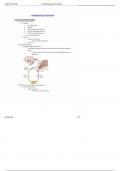
Chapter 24: Endocrine Disorders
1. Pituitary as Master Gland
a. Anterior
i. Growth hormone
ii. Prolactin
iii. Adrenocorticotropic hormone
iv. Thyroid-stimulating hormone
v. Follicle-stimulating hormone
vi. Luteinizing hormone
b. Posterior
i. Antidiuretic hormone
1. AKA: arginine vasopressin
ii. Oxytocin
2. Endocrine Regulation
a. Negative feedback mechanism
i. End-product hormone negatively feeds back to prevent further stimulatory
signals
1. Example: thyroid hormones suppress thyroid-stimulating hormone
production
b.
3. Three Major Types of Endocrine Conditions
a. Hormone deficiency
i. Gland destruction
1. Autoimmune, infection, tumor
1
about:blank 1/33
,8/3/24, 10:06 PM Pathophysiology Final Exam
b. Hormone excess
i. Tumor, autoimmune, genetic mutation
c. Hormone resistance
i. Usually genetic (lack hormone receptor or ability to respond)
4. Endocrine Dysfunction
a. Hypofunction
i. Inadequate amount of hormone
b. Hyperfunction
i. Excessive amount of hormone
c. Three levels of dysfunction
i. Primary
1. Endocrine gland itself
ii. Secondary
1. Abnormal pituitary activity
iii. Tertiary
1. Dysfunction of hypothalamic origin
5. Assessment of Endocrine Disorders
a. Current and past medical history
b. Some endocrine disorders present with wide-ranging, multi-system signs and
symptoms
c. Endocrine dysfunction may affect mood and behavior, can be misinterpreted as
psychological issues
6. Hypopituitarism (Pituitary Insufficiency)
a. Hyposecretion of one or more of the pituitary hormones
b. Causes
i. Pituitary tumor, brain surgery, radiation of brain tumor, congenital disorder
ii. Trauma, ischemia, hemorrhage and infarction can cause sudden loss of
pituitary function
c. Primary adenoma
i. Most common cause
ii. Benign neoplasm
iii. With growth can compress pituitary gland in sella turcica
1. Interfere with pituitary function
d. Signs and symptoms
i. Depend on pituitary hormones suppressed
1. Most serious concerns are adrenal insufficiency, hypothyroidism,
and diabetes insipidus
ii. If hypopituitarism is acute, rapid deteriorating state of hypotension; severe
dehydration; neurological deficits and abnormalities in electrolyte levels,
glucose levels, body temperature, and HR
2
about:blank 2/33
,8/3/24, 10:06 PM Pathophysiology Final Exam
iii. Adults
1. Weakness
2. Weight loss or gain
3. Hypotension caused by adrenal insufficiency
4. Sluggishness
5. Depression
6. Excessive urination and dehydration
7. Diabetes Insipidus (DI) - general understanding
a. Posterior pituitary hypopituitarism
b. Causes
i. Head trauma
ii. Tumors
iii. Pituitary surgery
iv. Inflammatory disorders
v. Infection
vi. Exposure to chemical toxins
c. Lack of ADH or response to ADH
d. Dilute, large volume urine
i. Plasma concentration increases
e. Signs and symptoms
i. Frequent urination (polyuria), thirst (polydipsia), dehydration,
disorientation, confusion, seizures
ii. Blood test will show high osmolarity and hypernatremia
iii. Urine osmolarity and specific gravity will be low
8. Hyperpituitarism
a. Pituitary adenoma
i. Most common cause
ii. May produce ACTH, TSH, or GH
iii. Prolactinoma most common form: secretes PRL
1. High PRL has anti estrogenic and antiandrogenic effects
b. Large tumors may cause headaches and visual disturbances (because of proximity
to optic nerves)
c. Children
i. ACTH-producing adenoma
ii. Corticotropinomas, common before puberty
iii. Cushing-like symptoms
d. GH-secretion adenoma
i. Children
1. Gigantism
ii. Adults
3
about:blank 3/33
, 8/3/24, 10:06 PM Pathophysiology Final Exam
1. Acromegaly
9. Syndrome of Inappropriate Antidiuretic (SIADH)
a. Excessive ADH
i. Causes: brain injury or neurosurgery
ii. Paraneoplastic disorder
b. Causes fluid retention
i. Concentrated urine, dilute plasma, hypervolemia
c. Clinical Manifestations
i. Symptoms related to fluid volume overload and delusional hyponatremia
1. Fatigue
2. Weakness
3. Confusion
4. Headache
ii. If hyponatremia is severe:
1. Myoclonus, slowed reflexes (spastic, jerky reflexes)
2. Seizures
3. Problems with gait and balance
4. Dysarthria (unclear speech)
5. Dysphagia
6. Coma
10. Thyroid
a. Triiodothyronine (T3) and thyroxine (T4)
i. Iodine required for synthesis
ii. Thyroxine
1. Regulate body metabolism
b. Thyroid disorder more common in women
c. Primary thyroid disorders most common
d. Enlarged thyroid can indicate hypo- or hyperfunction
11. Goiter
a. Enlargement of the thyroid
b. May or may not present with thyroid dysfunction signs and symptoms
c. May develop with:
i. Excess TSH
ii. Low iodine levels
iii. Goitrogens
1. Foods or other substances that promote thyroid gland enlargement
12. Hypothyroidism
a. Hashimoto’s thyroiditis
i. Autoimmune disorder
ii. Anti-thyroglobulin antibody and anti-thyroperoxidase antibody
4
about:blank 4/33
Pathophysiology Final Exam
Chapter 24: Endocrine Disorders
1. Pituitary as Master Gland
a. Anterior
i. Growth hormone
ii. Prolactin
iii. Adrenocorticotropic hormone
iv. Thyroid-stimulating hormone
v. Follicle-stimulating hormone
vi. Luteinizing hormone
b. Posterior
i. Antidiuretic hormone
1. AKA: arginine vasopressin
ii. Oxytocin
2. Endocrine Regulation
a. Negative feedback mechanism
i. End-product hormone negatively feeds back to prevent further stimulatory
signals
1. Example: thyroid hormones suppress thyroid-stimulating hormone
production
b.
3. Three Major Types of Endocrine Conditions
a. Hormone deficiency
i. Gland destruction
1. Autoimmune, infection, tumor
1
about:blank 1/33
,8/3/24, 10:06 PM Pathophysiology Final Exam
b. Hormone excess
i. Tumor, autoimmune, genetic mutation
c. Hormone resistance
i. Usually genetic (lack hormone receptor or ability to respond)
4. Endocrine Dysfunction
a. Hypofunction
i. Inadequate amount of hormone
b. Hyperfunction
i. Excessive amount of hormone
c. Three levels of dysfunction
i. Primary
1. Endocrine gland itself
ii. Secondary
1. Abnormal pituitary activity
iii. Tertiary
1. Dysfunction of hypothalamic origin
5. Assessment of Endocrine Disorders
a. Current and past medical history
b. Some endocrine disorders present with wide-ranging, multi-system signs and
symptoms
c. Endocrine dysfunction may affect mood and behavior, can be misinterpreted as
psychological issues
6. Hypopituitarism (Pituitary Insufficiency)
a. Hyposecretion of one or more of the pituitary hormones
b. Causes
i. Pituitary tumor, brain surgery, radiation of brain tumor, congenital disorder
ii. Trauma, ischemia, hemorrhage and infarction can cause sudden loss of
pituitary function
c. Primary adenoma
i. Most common cause
ii. Benign neoplasm
iii. With growth can compress pituitary gland in sella turcica
1. Interfere with pituitary function
d. Signs and symptoms
i. Depend on pituitary hormones suppressed
1. Most serious concerns are adrenal insufficiency, hypothyroidism,
and diabetes insipidus
ii. If hypopituitarism is acute, rapid deteriorating state of hypotension; severe
dehydration; neurological deficits and abnormalities in electrolyte levels,
glucose levels, body temperature, and HR
2
about:blank 2/33
,8/3/24, 10:06 PM Pathophysiology Final Exam
iii. Adults
1. Weakness
2. Weight loss or gain
3. Hypotension caused by adrenal insufficiency
4. Sluggishness
5. Depression
6. Excessive urination and dehydration
7. Diabetes Insipidus (DI) - general understanding
a. Posterior pituitary hypopituitarism
b. Causes
i. Head trauma
ii. Tumors
iii. Pituitary surgery
iv. Inflammatory disorders
v. Infection
vi. Exposure to chemical toxins
c. Lack of ADH or response to ADH
d. Dilute, large volume urine
i. Plasma concentration increases
e. Signs and symptoms
i. Frequent urination (polyuria), thirst (polydipsia), dehydration,
disorientation, confusion, seizures
ii. Blood test will show high osmolarity and hypernatremia
iii. Urine osmolarity and specific gravity will be low
8. Hyperpituitarism
a. Pituitary adenoma
i. Most common cause
ii. May produce ACTH, TSH, or GH
iii. Prolactinoma most common form: secretes PRL
1. High PRL has anti estrogenic and antiandrogenic effects
b. Large tumors may cause headaches and visual disturbances (because of proximity
to optic nerves)
c. Children
i. ACTH-producing adenoma
ii. Corticotropinomas, common before puberty
iii. Cushing-like symptoms
d. GH-secretion adenoma
i. Children
1. Gigantism
ii. Adults
3
about:blank 3/33
, 8/3/24, 10:06 PM Pathophysiology Final Exam
1. Acromegaly
9. Syndrome of Inappropriate Antidiuretic (SIADH)
a. Excessive ADH
i. Causes: brain injury or neurosurgery
ii. Paraneoplastic disorder
b. Causes fluid retention
i. Concentrated urine, dilute plasma, hypervolemia
c. Clinical Manifestations
i. Symptoms related to fluid volume overload and delusional hyponatremia
1. Fatigue
2. Weakness
3. Confusion
4. Headache
ii. If hyponatremia is severe:
1. Myoclonus, slowed reflexes (spastic, jerky reflexes)
2. Seizures
3. Problems with gait and balance
4. Dysarthria (unclear speech)
5. Dysphagia
6. Coma
10. Thyroid
a. Triiodothyronine (T3) and thyroxine (T4)
i. Iodine required for synthesis
ii. Thyroxine
1. Regulate body metabolism
b. Thyroid disorder more common in women
c. Primary thyroid disorders most common
d. Enlarged thyroid can indicate hypo- or hyperfunction
11. Goiter
a. Enlargement of the thyroid
b. May or may not present with thyroid dysfunction signs and symptoms
c. May develop with:
i. Excess TSH
ii. Low iodine levels
iii. Goitrogens
1. Foods or other substances that promote thyroid gland enlargement
12. Hypothyroidism
a. Hashimoto’s thyroiditis
i. Autoimmune disorder
ii. Anti-thyroglobulin antibody and anti-thyroperoxidase antibody
4
about:blank 4/33