, TRL2602 Assignment 2 (COMPLETE ANSWERS)
Semester 1 2025 - DUE 22 April 2025; 100%
TRUSTED Complete, trusted solutions and
explanations.
QUESTION 1
Discuss the most important factors that determine the characteristics
of transport supply. (15)
Transport supply refers to the capacity, availability, and quality of
transport infrastructure and services provided to meet the demand for the
movement of goods and people. Understanding the factors that
determine transport supply is essential in transport economics as it
allows stakeholders to plan, regulate, and improve transport systems
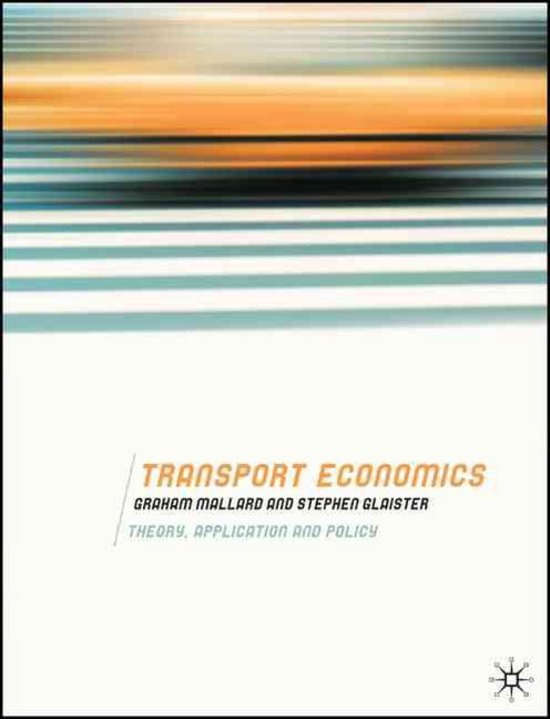
effectively. According to Mallard and Glaister (2008), the characteristics
of transport supply are shaped by a wide range of interrelated factors.
These can be categorized into infrastructure-based, operational,
technological, economic, regulatory, and environmental influences.
Below is a detailed discussion of the most important of these.
1. Infrastructure and Physical Capacity (Critical Factor)
Infrastructure provides the backbone for transport supply. This includes
the physical networks such as roads, railways, ports, and airports. The
quality, design, and extent of this infrastructure dictate the maximum
amount of transport that can be supplied.
Road networks determine vehicle flow and congestion levels.
Railway infrastructure affects the frequency and capacity of rail
services.
Ports and airports influence international trade and travel
capacity.
Semester 1 2025 - DUE 22 April 2025; 100%
TRUSTED Complete, trusted solutions and
explanations.
QUESTION 1
Discuss the most important factors that determine the characteristics
of transport supply. (15)
Transport supply refers to the capacity, availability, and quality of
transport infrastructure and services provided to meet the demand for the
movement of goods and people. Understanding the factors that
determine transport supply is essential in transport economics as it
allows stakeholders to plan, regulate, and improve transport systems
effectively. According to Mallard and Glaister (2008), the characteristics
of transport supply are shaped by a wide range of interrelated factors.
These can be categorized into infrastructure-based, operational,
technological, economic, regulatory, and environmental influences.
Below is a detailed discussion of the most important of these.
1. Infrastructure and Physical Capacity (Critical Factor)
Infrastructure provides the backbone for transport supply. This includes
the physical networks such as roads, railways, ports, and airports. The
quality, design, and extent of this infrastructure dictate the maximum
amount of transport that can be supplied.
Road networks determine vehicle flow and congestion levels.
Railway infrastructure affects the frequency and capacity of rail
services.
Ports and airports influence international trade and travel
capacity.