1 of 100
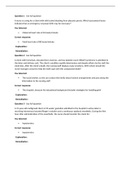
Term
Which statement best summarizes the principle of overload?
Answer b
Give this one a try later!
a. They are based on performance.
b. They are based on outcomes.
,c. They are challenging and frequently unrealistic.
d. They are developed for the team.
e. They are developed by the coach.
a. Vary the routine for starting each teaching session.
b. Tell athletes not to ask questions until the introduction and demonstration are
completed.
c. Ignore athletes who are not attending and focus on those who are.
d. Take at least 10 minutes to introduce the skill in great detail.
e. Name the skill using its common name or a short, descriptive title.
a. The coach loses more athletic events.
b. The distance between the coach's public self and her real self increases.
c. Her athletes perceive the coach as weak when she loses.
d. The coach gains some control of her self-esteem.
e. The coach loses some control of her self-esteem.
a. Frequent workouts bring the best results.
b. Fitness levels improve when more is demanded.
c. Maximum stress is needed for maximum fitness.
d. The more you do, the better you feel.
e. Use it slow or lose it fast.
Don't know?
, 2 of 100
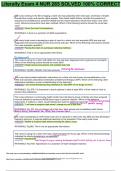
Term
A coach's perception of the coaching situations that challenge him has
little effect on the stress the coach feels.
Answer: B
Give this one a try later!
a. using a variety of drills and activities
b. setting realistic yet challenging goals
c. giving a pep talk to athletes with low motivation
d. neglecting to specify team goals
e. creating uncertainty about who will start the next game
a. true
b. false
a. true
b. false
a. Create the right team culture.
b. Develop team rules.
c. Create team routines.
d. Conduct exciting practices.
e. Catch them doing good.
Don't know?
, 3 of 100
Term
The best way to help your athletes learn to make good decisions in
complicated game situations is to have them practice only simple
tactics and NOT complex tactics.
Answer: B
Give this one a try later!
a. alcohol
b. tobacco
a. true
c. marijuana
b. false
d. prescription medications
e. crack cocaine
a. the coach
b. the athlete
a. true
c. the equipment manufacturer
b. false
d. the facilities manager
e. a and b
Don't know?
4 of 100
Term
Athletes who play for intrinsic rewards seldom maintain the long-term
motivation needed for success in sport.
Term
Which statement best summarizes the principle of overload?
Answer b
Give this one a try later!
a. They are based on performance.
b. They are based on outcomes.
,c. They are challenging and frequently unrealistic.
d. They are developed for the team.
e. They are developed by the coach.
a. Vary the routine for starting each teaching session.
b. Tell athletes not to ask questions until the introduction and demonstration are
completed.
c. Ignore athletes who are not attending and focus on those who are.
d. Take at least 10 minutes to introduce the skill in great detail.
e. Name the skill using its common name or a short, descriptive title.
a. The coach loses more athletic events.
b. The distance between the coach's public self and her real self increases.
c. Her athletes perceive the coach as weak when she loses.
d. The coach gains some control of her self-esteem.
e. The coach loses some control of her self-esteem.
a. Frequent workouts bring the best results.
b. Fitness levels improve when more is demanded.
c. Maximum stress is needed for maximum fitness.
d. The more you do, the better you feel.
e. Use it slow or lose it fast.
Don't know?
, 2 of 100
Term
A coach's perception of the coaching situations that challenge him has
little effect on the stress the coach feels.
Answer: B
Give this one a try later!
a. using a variety of drills and activities
b. setting realistic yet challenging goals
c. giving a pep talk to athletes with low motivation
d. neglecting to specify team goals
e. creating uncertainty about who will start the next game
a. true
b. false
a. true
b. false
a. Create the right team culture.
b. Develop team rules.
c. Create team routines.
d. Conduct exciting practices.
e. Catch them doing good.
Don't know?
, 3 of 100
Term
The best way to help your athletes learn to make good decisions in
complicated game situations is to have them practice only simple
tactics and NOT complex tactics.
Answer: B
Give this one a try later!
a. alcohol
b. tobacco
a. true
c. marijuana
b. false
d. prescription medications
e. crack cocaine
a. the coach
b. the athlete
a. true
c. the equipment manufacturer
b. false
d. the facilities manager
e. a and b
Don't know?
4 of 100
Term
Athletes who play for intrinsic rewards seldom maintain the long-term
motivation needed for success in sport.