Topic 5 DQ 1
Assessment Description
Analyze the journey of socioemotional growth in emerging adulthood by reviewing the critical
milestones and transformations that characterize this pivotal development stage. How do
emerging adults navigate the complex landscape of identity formation, emotional regulation, and
social relationships? Discuss the key experiences that define this period and their implications
for personal development.
Answer:
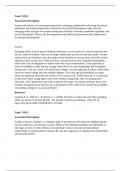
Emerging adults, in their sense of feeling in between, are not merely in a state of transition, but
also in a state of freedom. They are no longer adolescents, yet they are not fully adults. As they
explore their new freedoms, they also explore their identities in various areas, from their career
interests to their world views. Their love lives, characterized by non-committal relationships,
reflect their lack of obligations to others while they focus on themselves. They experience a
sense of instability as they job hop, change where they live, and relationships and friendships
emerge and f izzle out. Some even choose that college is not the right path for them, while others
choose to attend college and earn multiple degrees. This is the age of possibilities as young
adults are optimistic about the rest of their lives (Layland et al., 2018). However, it is important
to note that if these young adults come from wealthy backgrounds, they can prolong their
education, which keeps them out of the workforce for longer. In contrast, someone from a less
fortunate background may need to start working before they could even consider the possibility
of attending college for an associate degree.
Reference
Layland, E. K., Hill, B. J., & Nelson, L. J. (2018). Freedom to explore the self: How emerging
adults use leisure to develop identity. The journal of positive psychology, 13(1), 78–91.
https://doi.org/10.1080/17439760.2017.1374440
Topic 5 DQ 2
Assessment Description
Analyze Erikson's 'Intimacy vs. Isolation' stage of psychosocial development, emphasizing the
crucial experiences and dynamics at play. What are the defining challenges and milestones of
this stage, and how do they influence an individual's journey towards forming intimate
relationships or facing isolation? Analyze the role this stage plays in shaping adult relationships
and personal growth.
Assessment Description
Analyze the journey of socioemotional growth in emerging adulthood by reviewing the critical
milestones and transformations that characterize this pivotal development stage. How do
emerging adults navigate the complex landscape of identity formation, emotional regulation, and
social relationships? Discuss the key experiences that define this period and their implications
for personal development.
Answer:
Emerging adults, in their sense of feeling in between, are not merely in a state of transition, but
also in a state of freedom. They are no longer adolescents, yet they are not fully adults. As they
explore their new freedoms, they also explore their identities in various areas, from their career
interests to their world views. Their love lives, characterized by non-committal relationships,
reflect their lack of obligations to others while they focus on themselves. They experience a
sense of instability as they job hop, change where they live, and relationships and friendships
emerge and f izzle out. Some even choose that college is not the right path for them, while others
choose to attend college and earn multiple degrees. This is the age of possibilities as young
adults are optimistic about the rest of their lives (Layland et al., 2018). However, it is important
to note that if these young adults come from wealthy backgrounds, they can prolong their
education, which keeps them out of the workforce for longer. In contrast, someone from a less
fortunate background may need to start working before they could even consider the possibility
of attending college for an associate degree.
Reference
Layland, E. K., Hill, B. J., & Nelson, L. J. (2018). Freedom to explore the self: How emerging
adults use leisure to develop identity. The journal of positive psychology, 13(1), 78–91.
https://doi.org/10.1080/17439760.2017.1374440
Topic 5 DQ 2
Assessment Description
Analyze Erikson's 'Intimacy vs. Isolation' stage of psychosocial development, emphasizing the
crucial experiences and dynamics at play. What are the defining challenges and milestones of
this stage, and how do they influence an individual's journey towards forming intimate
relationships or facing isolation? Analyze the role this stage plays in shaping adult relationships
and personal growth.