Lecture 1
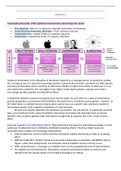
Introduction, utopian and dystopian views on media infiltration
Between 2013 and 2023 in the UK:
- Increase: Online and social media, stable in recent years.
- Decline: TV and print media.
TV declined but became more popular during COVID. There's a generational split: younger
people prefer online news, while those over 55 favor TV news. Radio and print are less
popular across all generations.
Facebook’s influence on news is declining, while YouTube, Instagram, and TikTok are rising,
especially among 18-24-year-olds.
Concerns are growing about algorithms leading people into "rabbit holes." Younger
generations worry more but still prefer social media over traditional journalistic selection.
Utopian vs. dystopian views:
- Utopian: Media as a force for positive change, knowledge spread, and unity.
- Dystopian: Media as a tool for control and manipulation, threatening freedom and truth.
Industrial revolution: The fourth industrial revolution is underway, driven by AI, big data,
and robotics, following previous revolutions marked by technological advances.
,Lecture 2
Introduction to online privacy
Privacy:
Involves controlling personal and sensitive information.
Not only about personal space but also about how others handle your privacy.
Includes spatial privacy and is considered a social construct.
Privacy changes over time, from culture to culture, and between individuals.
Privacy defined by time:
Past: Public announcements about marriage, public bathhouses, nudity was more
common.
Now: More careful with information about suspects, regulations like GDPR, and less
nudity in public places.
Privacy defined by culture:
Individual cultures (US, Western Europe): Privacy as a fundamental right,
emphasis on personal autonomy, individual rights, and personal disclosure.
Collectivist cultures (East Asia, Middle East): Less concern for individual privacy
when it conflicts with group needs, prioritizing group harmony.
Northern Europe (Scandinavia, UK, Germany, Netherlands): Preference for
personal space, less spontaneous social interaction.
Southern & Eastern Europe (Spain, Italy, Greece, Balkans): More physical
closeness and casual social interactions, hospitality traditions with unannounced
visits.
Privacy defined by individuals:
Theoretical perspectives:
Westin (1967) – Political-scientific approach:
o Privacy is a basic need for interpersonal interactions.
o Privacy is a dynamic process where individuals control what to share.
o Privacy is non-monotonic: too little or too much privacy is problematic.
o Four functions of privacy:
Personal autonomy
To make independent decisions
Emotional release
Freedom from roles and outside expectations
Self-evaluation
Freedom to think, process information and make plans
Protect boundaries
Ability to limit who has access to what information
o Four states of privacy:
Solitude
Complete isolation
Intimacy
Small group of people with a strong bond
Reserve
The right to decide what to share and what not
, Anonymity
The right not to be identified
Altman (1975) – Psychological approach:
o Privacy for the self (wellbeing and identity regulation)
o Five elements of privacy:
Dynamic process
Individuals regulate what they do or don’t want to share
differently, depending on the social context
Individual vs group levels
Individuals perceive their own privacy differently from that of
their community
Desired vs actual level
Desired level of privacy might be lower/ higher than individuals
have in each context
Non-monotonic
There is an optimum level of privacy—too much or too little can
be problematic.
Bi-directional (inwards and outwards)
Individuals regulate privacy based on both their actions and the
way others handle privacy.
o Privacy is a social process driven by:
Unique situations
Interactions
Social situations
Petronio (2002) – Communication approach:
o Focuses on privacy as information ownership and sharing, especially within
families.
o The need to regulate boundaries between what is shared with others.
o Boundaries can be thick or permeable, depending on the situation.
o Shift from physical privacy to information privacy, particularly online.
o Technology can cause negative effects, like privacy risks.
Context collapse: In online spaces, individuals often underestimate their audience, sharing
information with a much wider group than intended. Shown in research by Bernstein, 2013.
, Walther, J. B. (2011). Introduction to privacy online. In Privacy
online
Online communication balances self-expression and privacy. Social media makes this
harder: sharing brings benefits but also risks.
Three common mistakes about online privacy:
1. Thinking online activities are private.
2. The internet is not built for privacy.
3. Assuming privacy expectations mean legal protection.
People treat online chats like private conversations, forgetting that digital content stays,
spreads, and is hard to delete—sometimes with serious effects. Privacy laws are limited, so
learning how online privacy works is important.
Anonymity can help people explore their identity but also creates legal and ethical issues.
Social media adds to the challenge, as users control their image but still expose personal
details. Understanding digital risks is key as technology changes.
Introduction, utopian and dystopian views on media infiltration
Between 2013 and 2023 in the UK:
- Increase: Online and social media, stable in recent years.
- Decline: TV and print media.
TV declined but became more popular during COVID. There's a generational split: younger
people prefer online news, while those over 55 favor TV news. Radio and print are less
popular across all generations.
Facebook’s influence on news is declining, while YouTube, Instagram, and TikTok are rising,
especially among 18-24-year-olds.
Concerns are growing about algorithms leading people into "rabbit holes." Younger
generations worry more but still prefer social media over traditional journalistic selection.
Utopian vs. dystopian views:
- Utopian: Media as a force for positive change, knowledge spread, and unity.
- Dystopian: Media as a tool for control and manipulation, threatening freedom and truth.
Industrial revolution: The fourth industrial revolution is underway, driven by AI, big data,
and robotics, following previous revolutions marked by technological advances.
,Lecture 2
Introduction to online privacy
Privacy:
Involves controlling personal and sensitive information.
Not only about personal space but also about how others handle your privacy.
Includes spatial privacy and is considered a social construct.
Privacy changes over time, from culture to culture, and between individuals.
Privacy defined by time:
Past: Public announcements about marriage, public bathhouses, nudity was more
common.
Now: More careful with information about suspects, regulations like GDPR, and less
nudity in public places.
Privacy defined by culture:
Individual cultures (US, Western Europe): Privacy as a fundamental right,
emphasis on personal autonomy, individual rights, and personal disclosure.
Collectivist cultures (East Asia, Middle East): Less concern for individual privacy
when it conflicts with group needs, prioritizing group harmony.
Northern Europe (Scandinavia, UK, Germany, Netherlands): Preference for
personal space, less spontaneous social interaction.
Southern & Eastern Europe (Spain, Italy, Greece, Balkans): More physical
closeness and casual social interactions, hospitality traditions with unannounced
visits.
Privacy defined by individuals:
Theoretical perspectives:
Westin (1967) – Political-scientific approach:
o Privacy is a basic need for interpersonal interactions.
o Privacy is a dynamic process where individuals control what to share.
o Privacy is non-monotonic: too little or too much privacy is problematic.
o Four functions of privacy:
Personal autonomy
To make independent decisions
Emotional release
Freedom from roles and outside expectations
Self-evaluation
Freedom to think, process information and make plans
Protect boundaries
Ability to limit who has access to what information
o Four states of privacy:
Solitude
Complete isolation
Intimacy
Small group of people with a strong bond
Reserve
The right to decide what to share and what not
, Anonymity
The right not to be identified
Altman (1975) – Psychological approach:
o Privacy for the self (wellbeing and identity regulation)
o Five elements of privacy:
Dynamic process
Individuals regulate what they do or don’t want to share
differently, depending on the social context
Individual vs group levels
Individuals perceive their own privacy differently from that of
their community
Desired vs actual level
Desired level of privacy might be lower/ higher than individuals
have in each context
Non-monotonic
There is an optimum level of privacy—too much or too little can
be problematic.
Bi-directional (inwards and outwards)
Individuals regulate privacy based on both their actions and the
way others handle privacy.
o Privacy is a social process driven by:
Unique situations
Interactions
Social situations
Petronio (2002) – Communication approach:
o Focuses on privacy as information ownership and sharing, especially within
families.
o The need to regulate boundaries between what is shared with others.
o Boundaries can be thick or permeable, depending on the situation.
o Shift from physical privacy to information privacy, particularly online.
o Technology can cause negative effects, like privacy risks.
Context collapse: In online spaces, individuals often underestimate their audience, sharing
information with a much wider group than intended. Shown in research by Bernstein, 2013.
, Walther, J. B. (2011). Introduction to privacy online. In Privacy
online
Online communication balances self-expression and privacy. Social media makes this
harder: sharing brings benefits but also risks.
Three common mistakes about online privacy:
1. Thinking online activities are private.
2. The internet is not built for privacy.
3. Assuming privacy expectations mean legal protection.
People treat online chats like private conversations, forgetting that digital content stays,
spreads, and is hard to delete—sometimes with serious effects. Privacy laws are limited, so
learning how online privacy works is important.
Anonymity can help people explore their identity but also creates legal and ethical issues.
Social media adds to the challenge, as users control their image but still expose personal
details. Understanding digital risks is key as technology changes.