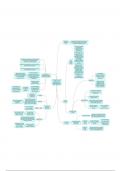
The October main grevantes included the concern over
Revolution economic issues and the nature of Russia's
1917 continuing participation in the War
Nov 1917- Kerensky and
General Krasnov
counter offensive was
brought to a halt.
April 1918-Lenin
proclaimed that the war
was going to end.
December 1918 to 1920-
The Whites and the
Reds fought. Resistance
from the nationalists
were receding.
Lenin promised to introduce a dictatorship of the April 1912- Polish
The
proletariat which would lead to stateless armed forces attacked
course
communism- a communist utopia Russia and reached as
of the
far as Kiev.
civil war
August 1921- counter-
Members of the Provisional Gov were arrested when
attack in Poland.
the Bolsheviks came to power.
October 1921- Russo-
polish conflict came to a
halt after the treaty of
bolsheviks encouraged the formation of soviets in
Riga was signed.
other Russian towns and cities.
November 1921- Red
Forces drove out the
the Second All-Russian last of the White Troops
The SRs and Mensheviks The strength of
Congress of the Soviets had from Southern Russia.
walked out of the congress in Impacts of the
given the Bolsheviks a mandate Throughout 1921- opposition forced Lenin
protest- they signalled the Revolution on the gov
to rule on the basis that armed peasants to adopt a conciliatory
start of the Bolshevik of the Russian Empire
government would be truly opposed the Bolsheviks foreign policy with
Monopoly of Power. other nations
soviet-based.
The impact of war and Foreign Policy
revolution on the Forgein intervention
bolsheviks allowed for
development of the during the war had
elections in the
Russian Empire and the indicated to Lenin that
constituent assembly
USSR- Communists he needs to reassure
the West that Russia did
the elections were The Third All-Russian not pose as a threat.
New political
largely dominated by Congress proclaimed
structure was
the Bolshevik party- the establishment of
put in
Russia soon resembled the Russian soviet
Sovnarkom. The Civil War won through
a single-state party. federalist republic.
strong discipline, admin and
management.
USSR gov was
centralised and Ideology
authoritarian War communism caused
significant unrest
Stalin assumed role of the
Stalin still listened to his Supreme Commander of the Domestic Policy Intro to War Communism included
civil War
advisors and their military and became chairman Structure nationalism of large enterprises and
1917-1922
judgements of the state defence committee- state monopoly of markets
absolute control of the military
The impact of Short-Term impact of internal unrest power
Cult of Personality was NEP was extremely became more
War on the
used to straighten NKVD Tools beneficial centralised than before.
Russian Gov
Stalin's heroic efforts
The effects of the
West allowed for Stalin to Tehran and Yalta
Civil War
exert control over his confirmed Russian
sphere of influence Claims to territory
Khrushchev enacted the policy of de-
impact on ideology stalinsation in an attempt to create a
more favourable Russia for the west
the territorial gains were viewed by
the west as Soviet expansionism with
the long term intention of promoting Foreign Policy
prevent investment
communism in Europe. Impact on arms race- high levels of into consumer goods
the effects of the Cold
The Cold War domestic investment in heavy and products which
War on Russian
1947-1991 policy industry caused the increase
Berlin Blockade of 1948 government
issues over Germany's in social unrest
+ Berlin Wall worsened
future caused
relations between
difficulties in leadership
Russia and the West
Impact on The USSR was shown to be willing to
Forgein confront and also compromise with
Policy the west. eg: Cuban Missile Crisis
Revolution economic issues and the nature of Russia's
1917 continuing participation in the War
Nov 1917- Kerensky and
General Krasnov
counter offensive was
brought to a halt.
April 1918-Lenin
proclaimed that the war
was going to end.
December 1918 to 1920-
The Whites and the
Reds fought. Resistance
from the nationalists
were receding.
Lenin promised to introduce a dictatorship of the April 1912- Polish
The
proletariat which would lead to stateless armed forces attacked
course
communism- a communist utopia Russia and reached as
of the
far as Kiev.
civil war
August 1921- counter-
Members of the Provisional Gov were arrested when
attack in Poland.
the Bolsheviks came to power.
October 1921- Russo-
polish conflict came to a
halt after the treaty of
bolsheviks encouraged the formation of soviets in
Riga was signed.
other Russian towns and cities.
November 1921- Red
Forces drove out the
the Second All-Russian last of the White Troops
The SRs and Mensheviks The strength of
Congress of the Soviets had from Southern Russia.
walked out of the congress in Impacts of the
given the Bolsheviks a mandate Throughout 1921- opposition forced Lenin
protest- they signalled the Revolution on the gov
to rule on the basis that armed peasants to adopt a conciliatory
start of the Bolshevik of the Russian Empire
government would be truly opposed the Bolsheviks foreign policy with
Monopoly of Power. other nations
soviet-based.
The impact of war and Foreign Policy
revolution on the Forgein intervention
bolsheviks allowed for
development of the during the war had
elections in the
Russian Empire and the indicated to Lenin that
constituent assembly
USSR- Communists he needs to reassure
the West that Russia did
the elections were The Third All-Russian not pose as a threat.
New political
largely dominated by Congress proclaimed
structure was
the Bolshevik party- the establishment of
put in
Russia soon resembled the Russian soviet
Sovnarkom. The Civil War won through
a single-state party. federalist republic.
strong discipline, admin and
management.
USSR gov was
centralised and Ideology
authoritarian War communism caused
significant unrest
Stalin assumed role of the
Stalin still listened to his Supreme Commander of the Domestic Policy Intro to War Communism included
civil War
advisors and their military and became chairman Structure nationalism of large enterprises and
1917-1922
judgements of the state defence committee- state monopoly of markets
absolute control of the military
The impact of Short-Term impact of internal unrest power
Cult of Personality was NEP was extremely became more
War on the
used to straighten NKVD Tools beneficial centralised than before.
Russian Gov
Stalin's heroic efforts
The effects of the
West allowed for Stalin to Tehran and Yalta
Civil War
exert control over his confirmed Russian
sphere of influence Claims to territory
Khrushchev enacted the policy of de-
impact on ideology stalinsation in an attempt to create a
more favourable Russia for the west
the territorial gains were viewed by
the west as Soviet expansionism with
the long term intention of promoting Foreign Policy
prevent investment
communism in Europe. Impact on arms race- high levels of into consumer goods
the effects of the Cold
The Cold War domestic investment in heavy and products which
War on Russian
1947-1991 policy industry caused the increase
Berlin Blockade of 1948 government
issues over Germany's in social unrest
+ Berlin Wall worsened
future caused
relations between
difficulties in leadership
Russia and the West
Impact on The USSR was shown to be willing to
Forgein confront and also compromise with
Policy the west. eg: Cuban Missile Crisis