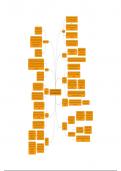
State Capitalism- central control of the
economy through the supreme
economic council (December 1917).
War Communism- nationalism, partial
militarisation of labour and grain
Bolsheviks put severe
requisitioning.
restrictions on the
activities of the Russian Industry
orhtodox church The NEP- denationalisation of small-
scale enterprise and a return to private
ownership.
Communists issued a 'decree on the
separation of church from the state and
school from the church' which involved centralised planning- the seven 5-Year
Religious Freedom
the withdrawal of subsides and Plans under Stalin and Khrushchev and
prevented religious groups from the aim of economic autarky.
possessing property.
large number of peasant
this set pattern of Population growth stimulated
families moving to towns
repression od religion by the better growth
and cities due to
remained in Russia until conditions.
Reasons for industrial employment
the end of the period.
Social Change
Communist ideology placed an emphasis on equality and gave
Collectivisation and Dekulakisation (1929 onwards)- a greater amount of authority and responsibility to workers.
the Kolkhozy, the sovkhozy and the coming of motor-
tractor stations. MTS were responsible for loaning
tactics to peasants, distirbuting seeds, collecting grain War Communism- kulaks were accused of
and deciding what farmers could keep for their own grain hoarding and the Cheka were
consumption. employed to requisition grain.
Agriculture
The Virgin Land Scheme NEP- attitudes towards kulaks changed as
(1954 onwards) by 1964, they were seen as more 'cultured and
165 million acres had educated'
been given over to the
Changes to
production of wheat.
rural working
Stalin's collectivisation- Stalin also siphoned off
conditions
fortunes of peasants changed grain and put greater
In 1930- attendance at primary as dekulakisation saw many of strain on supplies
school was made compulsory to the peasants forced into labour available to the
age of 12. There were 18 million camps. peasants.
children attending school.
The
The impact of Dictatorial regimes on
Provisions of
the economy and society of the Russian Dekulakisation diassapared under Khrushchev but the virgin
Education
The bourgeois gymnasia were scrapped Empire and the USSR-Communists land scheme put sections of the peasantry under pressure to
and replaced with polytechnic schools. increase the overall productivity.
6.9 million pupils attending schools. In
1939 Stalin scrapped school fees.
Urban Housing-
improvements to housing made by Lenin
decree on the land WW2 saw 25 million
were ignored by Stalin- this allowed for
1921- terrible winters and severe in 1917 focused on people homeless.
overcrowding
droughts as well as the civil war led housing
to a famine which killed 5 million
people.
1932-1934- famine was much worse Political parties and Trade unions under
compared to Stalin's repression on the Major pressure groups- Russian communists were
people due to the accusation go grain Famines communist party dominated valued but were always
hoarding. Voting- Elections of Russian political life from suborddinate to the
various bodies did not march 1918. needs of government
exist under the
Improvements- by 1935 food production communists.
seemed to improve and increase slowly Limitations on
but the diet of workers seemed to personal and
worsen under the communists. political Under Stalin, all work
freedom communists used
was guided to produce
censorship to control
material to show
1920- Rabkrin was proletariat conditions freedom of expression.
'socialist realism'
established but became seemed to worsen Expression of views
a discussion group under the communists through the media
instead of a law and stalinist rule Khrushchev eased censorship but the most
enforcing group. included heavy fines popular newspapers remained as Pravda and
Working
conditions Izvestiya
under the
1939- after the alleged
Tsar
success of 5YP, average 1932 onwards- Stalin
working day went down demanded that workers
to 7 hrs as the operate to 10 to 12 hr
Stakhanovite working day to fulfil 5
movement was year plan.
popularised.
economy through the supreme
economic council (December 1917).
War Communism- nationalism, partial
militarisation of labour and grain
Bolsheviks put severe
requisitioning.
restrictions on the
activities of the Russian Industry
orhtodox church The NEP- denationalisation of small-
scale enterprise and a return to private
ownership.
Communists issued a 'decree on the
separation of church from the state and
school from the church' which involved centralised planning- the seven 5-Year
Religious Freedom
the withdrawal of subsides and Plans under Stalin and Khrushchev and
prevented religious groups from the aim of economic autarky.
possessing property.
large number of peasant
this set pattern of Population growth stimulated
families moving to towns
repression od religion by the better growth
and cities due to
remained in Russia until conditions.
Reasons for industrial employment
the end of the period.
Social Change
Communist ideology placed an emphasis on equality and gave
Collectivisation and Dekulakisation (1929 onwards)- a greater amount of authority and responsibility to workers.
the Kolkhozy, the sovkhozy and the coming of motor-
tractor stations. MTS were responsible for loaning
tactics to peasants, distirbuting seeds, collecting grain War Communism- kulaks were accused of
and deciding what farmers could keep for their own grain hoarding and the Cheka were
consumption. employed to requisition grain.
Agriculture
The Virgin Land Scheme NEP- attitudes towards kulaks changed as
(1954 onwards) by 1964, they were seen as more 'cultured and
165 million acres had educated'
been given over to the
Changes to
production of wheat.
rural working
Stalin's collectivisation- Stalin also siphoned off
conditions
fortunes of peasants changed grain and put greater
In 1930- attendance at primary as dekulakisation saw many of strain on supplies
school was made compulsory to the peasants forced into labour available to the
age of 12. There were 18 million camps. peasants.
children attending school.
The
The impact of Dictatorial regimes on
Provisions of
the economy and society of the Russian Dekulakisation diassapared under Khrushchev but the virgin
Education
The bourgeois gymnasia were scrapped Empire and the USSR-Communists land scheme put sections of the peasantry under pressure to
and replaced with polytechnic schools. increase the overall productivity.
6.9 million pupils attending schools. In
1939 Stalin scrapped school fees.
Urban Housing-
improvements to housing made by Lenin
decree on the land WW2 saw 25 million
were ignored by Stalin- this allowed for
1921- terrible winters and severe in 1917 focused on people homeless.
overcrowding
droughts as well as the civil war led housing
to a famine which killed 5 million
people.
1932-1934- famine was much worse Political parties and Trade unions under
compared to Stalin's repression on the Major pressure groups- Russian communists were
people due to the accusation go grain Famines communist party dominated valued but were always
hoarding. Voting- Elections of Russian political life from suborddinate to the
various bodies did not march 1918. needs of government
exist under the
Improvements- by 1935 food production communists.
seemed to improve and increase slowly Limitations on
but the diet of workers seemed to personal and
worsen under the communists. political Under Stalin, all work
freedom communists used
was guided to produce
censorship to control
material to show
1920- Rabkrin was proletariat conditions freedom of expression.
'socialist realism'
established but became seemed to worsen Expression of views
a discussion group under the communists through the media
instead of a law and stalinist rule Khrushchev eased censorship but the most
enforcing group. included heavy fines popular newspapers remained as Pravda and
Working
conditions Izvestiya
under the
1939- after the alleged
Tsar
success of 5YP, average 1932 onwards- Stalin
working day went down demanded that workers
to 7 hrs as the operate to 10 to 12 hr
Stakhanovite working day to fulfil 5
movement was year plan.
popularised.