PATHO FINAL EXAM
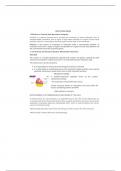
1.Diffusion vs Osmosis (both are passive transport)
Osmosis is a passive process and it involves the movement of water molecules down th
semipermeable membrane, from a region of high water potential to a region of lower water
potential, until the concentrations become equal on either side of the membrane.
Diffusion is the process of movement of molecules under a concentration gradient. Th
molecules move from a region of higher concentration to a region of lower concentration unti
the concentration becomes equal throughout.
2. Cell anatomy and functions (Nucleus, Mitochondria, ribosome)
NUCLEUS
The nucleus is a double-membraned organelle that contains the genetic material and othe
instructions required for cellular processes. It is exclusively found in eukaryotic cells.
The nucleus has 2 primary functions:
● It is responsible for storing the cell’s hereditary material or the DNA.
● It is responsible for coordinating many of the important cellular activities such as protei
synthesis, cell division, growth and a host of other important functions.
Structure of nucleus:
-A double-membraned organelle known as the nuclear
membrane/envelope.
- The nucleolus is found within the nucleus
-Dense structures known as chromatins are found within the
nucleus containing proteins and DNA.
- RNA synthesis in nucleus
MITOCHONDRIA (THE POWERHOUSE (PLANTHOUSE) OF THE CELL)
A mitochondrion (pl. mitochondria) is an organelle found in the cells of most Eukaryotes, suc
as animals, plants and fungi. Mitochondria have a double membrane structure and use aerob
respiration to generate adenosine triphosphate (ATP), which is used throughout the cell as
source of chemical energy.
-Mitochondria generates most of the cell energy (via ATP) to power the cell’s reactions.
-Mitochondria contains DNA and is self-replicating.
,RIBOSOME
Ribosomes are present in large numbers in all living cells, in the endoplasmic reticulum.
ribosome is a complex cellular mechanism used to translate genetic code into chains of ami
acids. Long chains of amino acids fold and function as proteins in cells. The function of
ribosome in any cell is to produce proteins which are used in almost all cellular functions.
3. XXY chromosome configuration? Disease
Klinefelter syndrome 47, XXY
– Condition of testicular atrophy & has one or more X chromosomes in excess of the normal X
male complement.
-occurs in 1/700 newborn males
-phenotype changes include enlarged breast, lack of facial/body hair, small testes & inability to
produce sperm.
4. Risk factors for Down syndrome
-Advanced maternal age (a woman over the age of 35)
-A previous pregnancy with a down syndrome fetus (carried full term or miscarried).
-Individuals who carry genetic translocation
-Individuals with a family history of Down syndrome
5. Apoptosis?
Apoptosis (fallen apart): equated with suicide. The death of cells which occurs as a normal an
controlled part of an organism's growth or development.
This process eliminates cells that: are worn out, have been produced in excess, have develope
improperly, or have genetic damage.
6. What is Ischemia?
Ischemia is an inadequate blood supply to an organ or part of the body. Ischemia is generally
caused by problems with blood vessels, with resultant damage to or dysfunction of tissue ,
hypoxia and microvascular dysfunction.
, Causes: Buildup of fatty deposits in your arteries (atherosclerosis), age, smoking, COPD, heart
& blood clotting problems.
7. Respiratory acidosis vs alkalosis
Blood pH: 7.35-7.45 (below 7.35-acidosis) ; (above 7.45-alkalosis)
pCO2: 45-35 (above 45 acidosis) ; (below 35 alkalosis)
HCO3 : 22-28 (below 22 acidosis) ; (above 28 alkalosis)
Respiratory acidosis: Emphysema, asthma, pneumonia, hypoxia.
Respiratory alkalosis( severe cases): mechanical ventilation, hyperventilation, ↑HR, ↓cerebral
blood flow, overexcitability of nervous system.
−
● The more CO2, more acidic & 𝐶𝑂2+ 𝐻2𝑂 ↔ 𝐻2 𝐶𝑂3 ↔ 𝐻𝐶𝑂+3
+
𝐻
H+ concentration=Acidosis Acidosis= 𝐶𝑂
level
2
increased, pH decreased
Alkalosis= 𝐶𝑂
level
2
decreased, pH increased
8. Metabolic acidosis vs alkalosis
− +
𝐶𝑂2+ 𝐻2𝑂 ↔ 𝐻2 𝐶𝑂3 ↔ 𝐻𝐶𝑂+3𝐻
− +
Acidosis= 𝐻𝐶𝑂decreased
3
𝐻
& increased= pH decreased
− +
Alkalosis= 𝐻𝐶𝑂increased
3
& 𝐻 decreased = pH increased
Metabolic acidosis= ketoacidosis, kidney failure, Kussmaul respirations.
Metabolic alkalosis= diuretics, tachycardia, abnormal HR, prolonged vomiting, loss of
stomach acid, excess antacid.
9. water balance is closely related to the balance of Na ,in body
v Baroreceptors regulate effective volume.
v Modulating sympathetic nervous system outflow and ADH secretion
v ANP
v RAAS
o Angiotensin II
o Aldosterone
v Gain
1.Diffusion vs Osmosis (both are passive transport)
Osmosis is a passive process and it involves the movement of water molecules down th
semipermeable membrane, from a region of high water potential to a region of lower water
potential, until the concentrations become equal on either side of the membrane.
Diffusion is the process of movement of molecules under a concentration gradient. Th
molecules move from a region of higher concentration to a region of lower concentration unti
the concentration becomes equal throughout.
2. Cell anatomy and functions (Nucleus, Mitochondria, ribosome)
NUCLEUS
The nucleus is a double-membraned organelle that contains the genetic material and othe
instructions required for cellular processes. It is exclusively found in eukaryotic cells.
The nucleus has 2 primary functions:
● It is responsible for storing the cell’s hereditary material or the DNA.
● It is responsible for coordinating many of the important cellular activities such as protei
synthesis, cell division, growth and a host of other important functions.
Structure of nucleus:
-A double-membraned organelle known as the nuclear
membrane/envelope.
- The nucleolus is found within the nucleus
-Dense structures known as chromatins are found within the
nucleus containing proteins and DNA.
- RNA synthesis in nucleus
MITOCHONDRIA (THE POWERHOUSE (PLANTHOUSE) OF THE CELL)
A mitochondrion (pl. mitochondria) is an organelle found in the cells of most Eukaryotes, suc
as animals, plants and fungi. Mitochondria have a double membrane structure and use aerob
respiration to generate adenosine triphosphate (ATP), which is used throughout the cell as
source of chemical energy.
-Mitochondria generates most of the cell energy (via ATP) to power the cell’s reactions.
-Mitochondria contains DNA and is self-replicating.
,RIBOSOME
Ribosomes are present in large numbers in all living cells, in the endoplasmic reticulum.
ribosome is a complex cellular mechanism used to translate genetic code into chains of ami
acids. Long chains of amino acids fold and function as proteins in cells. The function of
ribosome in any cell is to produce proteins which are used in almost all cellular functions.
3. XXY chromosome configuration? Disease
Klinefelter syndrome 47, XXY
– Condition of testicular atrophy & has one or more X chromosomes in excess of the normal X
male complement.
-occurs in 1/700 newborn males
-phenotype changes include enlarged breast, lack of facial/body hair, small testes & inability to
produce sperm.
4. Risk factors for Down syndrome
-Advanced maternal age (a woman over the age of 35)
-A previous pregnancy with a down syndrome fetus (carried full term or miscarried).
-Individuals who carry genetic translocation
-Individuals with a family history of Down syndrome
5. Apoptosis?
Apoptosis (fallen apart): equated with suicide. The death of cells which occurs as a normal an
controlled part of an organism's growth or development.
This process eliminates cells that: are worn out, have been produced in excess, have develope
improperly, or have genetic damage.
6. What is Ischemia?
Ischemia is an inadequate blood supply to an organ or part of the body. Ischemia is generally
caused by problems with blood vessels, with resultant damage to or dysfunction of tissue ,
hypoxia and microvascular dysfunction.
, Causes: Buildup of fatty deposits in your arteries (atherosclerosis), age, smoking, COPD, heart
& blood clotting problems.
7. Respiratory acidosis vs alkalosis
Blood pH: 7.35-7.45 (below 7.35-acidosis) ; (above 7.45-alkalosis)
pCO2: 45-35 (above 45 acidosis) ; (below 35 alkalosis)
HCO3 : 22-28 (below 22 acidosis) ; (above 28 alkalosis)
Respiratory acidosis: Emphysema, asthma, pneumonia, hypoxia.
Respiratory alkalosis( severe cases): mechanical ventilation, hyperventilation, ↑HR, ↓cerebral
blood flow, overexcitability of nervous system.
−
● The more CO2, more acidic & 𝐶𝑂2+ 𝐻2𝑂 ↔ 𝐻2 𝐶𝑂3 ↔ 𝐻𝐶𝑂+3
+
𝐻
H+ concentration=Acidosis Acidosis= 𝐶𝑂
level
2
increased, pH decreased
Alkalosis= 𝐶𝑂
level
2
decreased, pH increased
8. Metabolic acidosis vs alkalosis
− +
𝐶𝑂2+ 𝐻2𝑂 ↔ 𝐻2 𝐶𝑂3 ↔ 𝐻𝐶𝑂+3𝐻
− +
Acidosis= 𝐻𝐶𝑂decreased
3
𝐻
& increased= pH decreased
− +
Alkalosis= 𝐻𝐶𝑂increased
3
& 𝐻 decreased = pH increased
Metabolic acidosis= ketoacidosis, kidney failure, Kussmaul respirations.
Metabolic alkalosis= diuretics, tachycardia, abnormal HR, prolonged vomiting, loss of
stomach acid, excess antacid.
9. water balance is closely related to the balance of Na ,in body
v Baroreceptors regulate effective volume.
v Modulating sympathetic nervous system outflow and ADH secretion
v ANP
v RAAS
o Angiotensin II
o Aldosterone
v Gain