NR 328 NURSING CARE: PEDIATRIC ELIMINATION BOWEL ALTERATIONS|2025 Update Complete.
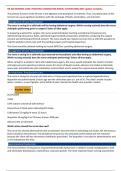
The primary function of the GI tract is the digestion and absorption of nutrients. Thus, any dysfunction of the
GI tract can cause significant problems with the exchange of fluids, electrolytes, and nutrients.
Management of Care: Preoperative
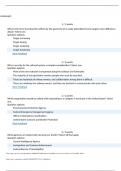
The nurse is caring for a child who will be having abdominal surgery. Which nursing action(s) does the nurse
anticipate performing prior to surgery? Select all that apply.
In preparing a patient for surgery, the nurse would anticipate inserting a peripheral intravenous line,
administering intravenous fluids, administering prescribed preoperative antibiotics, preparing the surgical
consent and witnessing informed consent. The nurse would also request services from a child life specialist to
help the pediatric client cope with the pending surgery and hospital experience.
The client would be allowed nothing by mouth (NPO) for a pending abdominal surgery.
Management of Care: Postoperative
The nurse is caring for a child who just returned to the pediatric unit after having an abdominal surgery.
Which nursing action(s) does the nurse anticipate performing? Select all that apply.
When caring for a pediatric client after abdominal surgery, the nurse would anticipate the need to monitor
vital signs per post-operative protocol, assess for return of bowel sounds, advance oral intake as tolerated,
assess pain and administer pain medication as prescribed, and to assess the surgical wound and/or dressing.
Nursing Action: Postoperative Care
The nurse is caring for a 6-year-old child who is 4 hours post-operative from a ruptured appendectomy.
Ibuprofen was administered 2 hours ago and the child rates pain as 1 out of 10. The child’s intake includes
water, crackers, a cup of gelatin, and a bottle of juice. Review the health care provider’s orders.
• Provider Orders
05/17/20XX
13:00
0.9% sodium chloride @ 100 ml/hour
Discontinue IV fluids when tolerating PO intake
Ceftriaxone 25 mg/kg IV every 12 hours
Ibuprofen 10 mg/kg IV or PO every 6 hours PRN pain
Advance diet as tolerated
Which action should the nurse take next?
The nurse has already advanced the diet as tolerated. Since the client is tolerating oral intake, the intravenous
fluids should be discontinued. The peripheral intravenous line should be saline locked and not removed
because the client still has intravenous antibiotics prescribed. The ibuprofen is not due for administration and
is not indicated at this time.
Gastrointestinal Dysfunction
The most common consequences of gastrointestinal (GI) dysfunction in children include malabsorption, fluid
and electrolyte disturbances, malnutrition, and poor growth. The most important basic nursing assessments
,include measurement of intake and output, height and weight, abdominal examination, and simple stool and
urine tests.
There are several types of GI dysfunction in children which can be classified as general GI disorders, motility
disorders, inflammatory conditions, obstructive disorders, malabsorption syndromes, and structural defects.
Below are examples of each classification of GI dysfunction.
GASTRINTESTINAL DYSFUNCTION IN CHILDREN
Malabsorption Syndromes
• celiac disease
• short-bowel syndrome
• gastrointestinal bleeding
General Gastrointestinal Disorders
• constipation
• diarrhea
• vomiting
Motility Disorders
• Hirschsprung disease
• gastroesophageal reflux
• irritable bowel syndrome
Structural Defects
• esophageal atresia and tracheoesophageal fistula
• abdominal wall defects (omphalocele, gastroschisis)
• hernia
Inflammatory Conditions
• appendicitis
• inflammatory bowel disease
Obstructive Disorders
• paralytic ileus
• pyloric stenosis
• intussusception
, • malrotation and volvulus
Gastrointestinal Function Assessment
Common abnormal gastrointestinal assessment findings:
• abdominal distention
• hypoactive, hyperactive, or absent bowel sounds
• nausea/vomiting
• spitting up/regurgitation
• projectile vomiting
• typically associated with pyloric stenosis
• diarrhea/constipation
• fever
• common manifestation of illness in children
• usually associated with dehydration, infection, or inflammation
• failure to thrive
• failure to maintain established growth pattern or consistently remaining below the
5th percentile for height and weight on standard growth charts
• sometimes accompanied by developmental delays
Nursing Care for Gastrointestinal Surgery
Gastrointestinal Surgery Types
• Open Surgery: A large incision is made in the abdomen to complete the surgery.
• Laparoscopic Surgery: Small incisions are made in the abdomen and a small camera, light, and special
tools are used to do surgery through the small cuts. Recovery is usually much shorter.
Preoperative Nursing Care
• Consult child life specialist to help the child and families cope with the hospital experience.
• Maintain nothing by mouth (NPO) status.
• Insert peripheral intravenous catheter and administer prescribed intravenous fluids to maintain fluid
balance.
• If indicated, insert nasogastric tube with intermittent suction to remove stomach contents and
decompress the stomach.
• Administer preoperative antibiotics as prescribed.
• Prepare surgical consent and witness informed consent.
Postoperative Care
• Monitor vital signs per postoperative protocol.
• Monitor dressing/wound for redness or drainage.
The primary function of the GI tract is the digestion and absorption of nutrients. Thus, any dysfunction of the
GI tract can cause significant problems with the exchange of fluids, electrolytes, and nutrients.
Management of Care: Preoperative
The nurse is caring for a child who will be having abdominal surgery. Which nursing action(s) does the nurse
anticipate performing prior to surgery? Select all that apply.
In preparing a patient for surgery, the nurse would anticipate inserting a peripheral intravenous line,
administering intravenous fluids, administering prescribed preoperative antibiotics, preparing the surgical
consent and witnessing informed consent. The nurse would also request services from a child life specialist to
help the pediatric client cope with the pending surgery and hospital experience.
The client would be allowed nothing by mouth (NPO) for a pending abdominal surgery.
Management of Care: Postoperative
The nurse is caring for a child who just returned to the pediatric unit after having an abdominal surgery.
Which nursing action(s) does the nurse anticipate performing? Select all that apply.
When caring for a pediatric client after abdominal surgery, the nurse would anticipate the need to monitor
vital signs per post-operative protocol, assess for return of bowel sounds, advance oral intake as tolerated,
assess pain and administer pain medication as prescribed, and to assess the surgical wound and/or dressing.
Nursing Action: Postoperative Care
The nurse is caring for a 6-year-old child who is 4 hours post-operative from a ruptured appendectomy.
Ibuprofen was administered 2 hours ago and the child rates pain as 1 out of 10. The child’s intake includes
water, crackers, a cup of gelatin, and a bottle of juice. Review the health care provider’s orders.
• Provider Orders
05/17/20XX
13:00
0.9% sodium chloride @ 100 ml/hour
Discontinue IV fluids when tolerating PO intake
Ceftriaxone 25 mg/kg IV every 12 hours
Ibuprofen 10 mg/kg IV or PO every 6 hours PRN pain
Advance diet as tolerated
Which action should the nurse take next?
The nurse has already advanced the diet as tolerated. Since the client is tolerating oral intake, the intravenous
fluids should be discontinued. The peripheral intravenous line should be saline locked and not removed
because the client still has intravenous antibiotics prescribed. The ibuprofen is not due for administration and
is not indicated at this time.
Gastrointestinal Dysfunction
The most common consequences of gastrointestinal (GI) dysfunction in children include malabsorption, fluid
and electrolyte disturbances, malnutrition, and poor growth. The most important basic nursing assessments
,include measurement of intake and output, height and weight, abdominal examination, and simple stool and
urine tests.
There are several types of GI dysfunction in children which can be classified as general GI disorders, motility
disorders, inflammatory conditions, obstructive disorders, malabsorption syndromes, and structural defects.
Below are examples of each classification of GI dysfunction.
GASTRINTESTINAL DYSFUNCTION IN CHILDREN
Malabsorption Syndromes
• celiac disease
• short-bowel syndrome
• gastrointestinal bleeding
General Gastrointestinal Disorders
• constipation
• diarrhea
• vomiting
Motility Disorders
• Hirschsprung disease
• gastroesophageal reflux
• irritable bowel syndrome
Structural Defects
• esophageal atresia and tracheoesophageal fistula
• abdominal wall defects (omphalocele, gastroschisis)
• hernia
Inflammatory Conditions
• appendicitis
• inflammatory bowel disease
Obstructive Disorders
• paralytic ileus
• pyloric stenosis
• intussusception
, • malrotation and volvulus
Gastrointestinal Function Assessment
Common abnormal gastrointestinal assessment findings:
• abdominal distention
• hypoactive, hyperactive, or absent bowel sounds
• nausea/vomiting
• spitting up/regurgitation
• projectile vomiting
• typically associated with pyloric stenosis
• diarrhea/constipation
• fever
• common manifestation of illness in children
• usually associated with dehydration, infection, or inflammation
• failure to thrive
• failure to maintain established growth pattern or consistently remaining below the
5th percentile for height and weight on standard growth charts
• sometimes accompanied by developmental delays
Nursing Care for Gastrointestinal Surgery
Gastrointestinal Surgery Types
• Open Surgery: A large incision is made in the abdomen to complete the surgery.
• Laparoscopic Surgery: Small incisions are made in the abdomen and a small camera, light, and special
tools are used to do surgery through the small cuts. Recovery is usually much shorter.
Preoperative Nursing Care
• Consult child life specialist to help the child and families cope with the hospital experience.
• Maintain nothing by mouth (NPO) status.
• Insert peripheral intravenous catheter and administer prescribed intravenous fluids to maintain fluid
balance.
• If indicated, insert nasogastric tube with intermittent suction to remove stomach contents and
decompress the stomach.
• Administer preoperative antibiotics as prescribed.
• Prepare surgical consent and witness informed consent.
Postoperative Care
• Monitor vital signs per postoperative protocol.
• Monitor dressing/wound for redness or drainage.