Prescribing in Hepatic Impairment
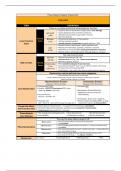
THE LIVER
TERM DEFINITION
There is no simple method of estimating liver function
▪ Enzymes that are leaked from hepatocytes in liver damage
ALT & AST ▪ Levels depend on how acute the condition is
(<40) ▪ AST also found in heart, lung, kidney + muscle.
▪ ALT more specific
Blood Bilirubin ▪ Produced by breakdown of haemoglobin
Liver Function Tests (<21) ▪ >50 can produce jaundice
Tests ▪ Usually raised in cholestasis alongside Alk Phos + GGT
▪ Enzyme found in hepatocytes + biliary epithelial cells
GGT ▪ Also found in the kidney, pancreas, intestine + prostate
(0-50) ▪ If Alk Phos is normal but GGT raised good indication of alcohol
▪ May be raised in pts taking enzyme-inducing drugs e.g. rifampicin
The real function tests
Albumin ▪ Normal liver produces 10g / day
(35-50) ▪ Cirrhotic liver only 4g / day → lower serum albumin
▪ Half-life of approx. 20 days
Add on Tests Blood ▪ Most sensitive indicator of liver necrosis
Prothrombin
Tests Time ▪ In acute liver failure PT may ↑ to over 100 secs within a few hours
(Up to 12) ▪ PT used more commonly than INR
▪ Clotting time = key method for determining functional capacity
Dysfunction can be split into two main categories
▪ Some diseases can include one or both types
▪ Clinical features within type may be similar irrespective of the specific disorder
▪ Both can lead to fibrosis → cirrhosis
Hepatocellular Disease Cholestatic Disease
(Disease of the Liver Cells) (Disease of the biliary tree)
▪ Increased ALT / AST ▪ Increased ALP
Liver Dysfunction ▪ Alcohol, Hepatitis, Paracetamol OD / other
drugs e.g. statins, Fatty Liver ▪ Extrahepatic: Blocked Bile Duct
[Gallstone, tumours, strictures,
▪ Acute V Chronic inflammation]
Chronic = Low Alb + PT
▪ Intrahepatic: Due to liver conditions
▪ Alcoholic liver [Primary-biliary cholangitis (PBC), or drug-
AST > ALT (2:1). Spirits (AST) stronger than lager (ALT) induced liver injury e.g. flucloxacillin]
Drugs that a ect ▪ Statins (Rise of transaminases - <3 x upper limit of normal) e.g. simvastatin
liver function test ▪ Penicillins (Rise of transaminases, jaundice) e.g. co-amoxiclav / flucloxacillin
▪ Methotrexate (Abnormal LFTs + cirrhosis)
Prescribing in ▪ Risk of drug-induced hepatotoxicity ▪ Dose Adjustments ▪ Benefit/Risk decision
Liver Disease ▪ Avoid NSAIDs ▪ Clotting abnormalities ▪ Alcohol withdrawal
The way the body e ects drugs in LD
Absorption Is the drug soluble? Rely on bile salts to aid absorption
e.g. furosemide
Distribution Is the drug highly protein bound? Low albumin = ↑ amount of unbound drug
Pharmacokinetics e.g. warfarin
Metabolism Is the drug metabolised by the liver? ↓ hepatic cell mass = ↓ drug metabolised
and ↑ accumulation of drug
Excretion Does the drug undergo biliary excretion? Elimination may be ↓ and ↑
accumulation of the drug. e.g. digoxin, morphine
Resources ▪ Livertox ▪ Child Pugh Score ▪ BNF Appendix 1 ▪ SPC
THE LIVER
TERM DEFINITION
There is no simple method of estimating liver function
▪ Enzymes that are leaked from hepatocytes in liver damage
ALT & AST ▪ Levels depend on how acute the condition is
(<40) ▪ AST also found in heart, lung, kidney + muscle.
▪ ALT more specific
Blood Bilirubin ▪ Produced by breakdown of haemoglobin
Liver Function Tests (<21) ▪ >50 can produce jaundice
Tests ▪ Usually raised in cholestasis alongside Alk Phos + GGT
▪ Enzyme found in hepatocytes + biliary epithelial cells
GGT ▪ Also found in the kidney, pancreas, intestine + prostate
(0-50) ▪ If Alk Phos is normal but GGT raised good indication of alcohol
▪ May be raised in pts taking enzyme-inducing drugs e.g. rifampicin
The real function tests
Albumin ▪ Normal liver produces 10g / day
(35-50) ▪ Cirrhotic liver only 4g / day → lower serum albumin
▪ Half-life of approx. 20 days
Add on Tests Blood ▪ Most sensitive indicator of liver necrosis
Prothrombin
Tests Time ▪ In acute liver failure PT may ↑ to over 100 secs within a few hours
(Up to 12) ▪ PT used more commonly than INR
▪ Clotting time = key method for determining functional capacity
Dysfunction can be split into two main categories
▪ Some diseases can include one or both types
▪ Clinical features within type may be similar irrespective of the specific disorder
▪ Both can lead to fibrosis → cirrhosis
Hepatocellular Disease Cholestatic Disease
(Disease of the Liver Cells) (Disease of the biliary tree)
▪ Increased ALT / AST ▪ Increased ALP
Liver Dysfunction ▪ Alcohol, Hepatitis, Paracetamol OD / other
drugs e.g. statins, Fatty Liver ▪ Extrahepatic: Blocked Bile Duct
[Gallstone, tumours, strictures,
▪ Acute V Chronic inflammation]
Chronic = Low Alb + PT
▪ Intrahepatic: Due to liver conditions
▪ Alcoholic liver [Primary-biliary cholangitis (PBC), or drug-
AST > ALT (2:1). Spirits (AST) stronger than lager (ALT) induced liver injury e.g. flucloxacillin]
Drugs that a ect ▪ Statins (Rise of transaminases - <3 x upper limit of normal) e.g. simvastatin
liver function test ▪ Penicillins (Rise of transaminases, jaundice) e.g. co-amoxiclav / flucloxacillin
▪ Methotrexate (Abnormal LFTs + cirrhosis)
Prescribing in ▪ Risk of drug-induced hepatotoxicity ▪ Dose Adjustments ▪ Benefit/Risk decision
Liver Disease ▪ Avoid NSAIDs ▪ Clotting abnormalities ▪ Alcohol withdrawal
The way the body e ects drugs in LD
Absorption Is the drug soluble? Rely on bile salts to aid absorption
e.g. furosemide
Distribution Is the drug highly protein bound? Low albumin = ↑ amount of unbound drug
Pharmacokinetics e.g. warfarin
Metabolism Is the drug metabolised by the liver? ↓ hepatic cell mass = ↓ drug metabolised
and ↑ accumulation of drug
Excretion Does the drug undergo biliary excretion? Elimination may be ↓ and ↑
accumulation of the drug. e.g. digoxin, morphine
Resources ▪ Livertox ▪ Child Pugh Score ▪ BNF Appendix 1 ▪ SPC