

Anatomy and Physiology Lab I
jl jl jl jl jl
Daniel McNabney and DeLoris Hesse
jl jl jl jl jl
jl
jl
CBIO2200L, University of Georgia (GA, USA)
jl jl jl jl jl jl
jl jl
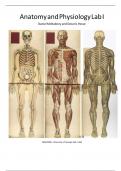
,Previous page photo credit jl jl jl jl
Bouglé, Julien. Le corps humain en grandeur naturelle : planches coloriées et superposées, avec texte
jl jl jl jl jl jl jl jl jl jl jl jl jl jl
explicatif. Paris : J. B. Baillière et fils, 1899. 1 plate : col. ill.
jl jl jl jl jl jl jl jl jl jl jl jl jl jl jl
Source: U.S. National Library of Medicine.
jl jl jl jl jl jl jl
http://www.nlm.nih.gov/exhibition/historicalanatomies/bougle_home.html jl
Introduction jl
This laboratory manual was written in 2019 via an OER Revisions and Ancillary Materials Creation Mini-Grant
jl jl jl jl jl jl jl jl jl jl jl jl jl jl jl
from Affordable Learning Georgia (affordablelearninggeorgia.org). The goal of the project is to create an open
jl jl jl jl jl jl jl jl jl jl jl jl jl jl jl
educational resource lab manual that provides students in our first-semester large introductory Anatomy and
jl jl jl jl jl jl jl jl jl jl jl jl jl jl
Physiology laboratory course (CBIO2200L) at the University of Georgia (GA, USA) with a tailored, low-cost set
jl jl jl jl jl jl jl jl jl jl jl jl jl jl jl jl
of course materials.
jl jl jl jl jl
CBIO2200L covers the structure and function of several of the body’s systems including: cells, tissues, the
jl jl jl jl jl jl jl jl jl jl jl jl jl jl jl jl
integumentary system, skeletal system, muscular system, and nervous system. Emphasis is placed on humans
jl jl jl jl jl jl jl jl jl jl jl jl jl jl jl
with some comparison to other mammals. The overall goal of CBIO2200L is to gain a foundational
jl jl jl jl jl jl jl jl jl jl jl jl jl jl jl jl jl
understanding of the normal structure and function of the above systems of the human body, not an in-depth
jl jl jl jl jl jl jl jl jl jl jl jl jl jl jl jl jl jl
analysis of any single part or system. The laboratory component is a required and important part of the overall
jl jl jl jl jl jl jl jl jl jl jl jl jl jl jl jl jl jl jl
course and labs both introduce new course material and reinforce topics discussed in lecture. Labs include the
jl jl jl jl jl jl jl jl jl jl jl jl jl jl jl jl jl
identification of structures on a variety of available resources (models, preserved specimens, and human
jl jl jl jl jl jl jl jl jl jl jl jl jl jl
cadavers) and demonstration of physiological concepts through lab activities.
jl jl jl jl jl jl jl jl jl jl
Source and Companion Materials jl jl jl jl
Each lesson contains specific citations used during the creation of course materials. The following sources
jl jl jl jl jl jl jl jl jl jl jl jl jl jl
played a major role in the development of this lab manual:
jl jl jl jl jl jl jl jl jl jl jl jl
• The majority of background information is a derivative of "Anatomy and Physiology" by OpenStax
jl jl jl jl jl jl jl jl jl jl jl jl jl
CNX used under CC BY 4.0. Aug 2, 2019. Access for free at https://openstax.org/books/anatomy-
jl jl jl jl jl jl jl jl jl jl jl jl jl jl
andphysiology/pages/1-introduction jl
• Histological resources and a virtual microscope via the University of Michigan Medical School: jl jl jl jl jl jl jl jl jl jl jl jl jl jl
https://histology.medicine.umich.edu/ jl
• The lessons found within this document were uploaded into the digital learning platform, Lt by
jl jl jl jl jl jl jl jl jl jl jl jl jl jl
ADInstruments (https://www.adinstruments.com/lt). Lt is a browser-based learning platform that
jl jl jl jl jl jl jl jl jl
allows our students to interact with the course materials via lab activities that are not possible with
jl jl jl jl jl jl jl jl jl jl jl jl jl jl jl jl jl
a traditional paper lab manual (ex: photo and video activities, interactive question sets, etc.). Lt also
jl jl jl jl jl jl jl jl jl jl jl jl jl jl jl jl jl
allows our students to collect, analyze, and present human physiological data via PowerLab data
jl jl jl jl jl jl jl jl jl jl jl jl jl jl
acquisition systems (https://www.adinstruments.com/products/powerlab).
jl jl jl jl jl
Acknowledgements jl
We would like to thank the following people for their help and support during this project: Gabriella
jl jl jl jl jl jl jl jl jl jl jl jl jl jl jl jl jl jl
Sandberg, Aimee Williams, Manashree Malpe, Nurgul Kaya, Lindsey Beebe, Angie Holliday, Ann Massey, Rob
jl jl jl jl jl jl jl jl jl jl jl jl jl
Nichols, Kojo Mensa-Wilmot, Robin Fowler, Beverly Martin, Fall 2019 CBIO2200L TAs, Fall 2019 CBIO2200L
jl jl jl jl jl jl jl jl jl jl jl jl jl jl
students.
jl jl
jl jl
,Table of Contents
jl jl jl
1. Introduction to Anatomy & Physiology jl jl jl jl jl
2. Cells jl
3. Histology – Epithelial & Connective Tissues jl jl jl jl jl jl
4. Histology – Muscle & Nervous Tissues jl jl jl jl jl jl
5. The Integumentary System jl jl jl
6. Introduction to the Skeletal System jl jl jl jl jl
7. Introduction Joints jl jl
8. The Lower Limb – Bones jl jl jl jl jl
9. The Lower Limb – Muscles jl jl jl jl jl
10. The Lower Limb – Joints jl jl jl jl jl
11. The Lower Limb – Nerves jl jl jl jl jl
12. The Lower Limb – Movement jl jl jl jl jl
13. The Upper Limb – Bones jl jl jl jl jl
14. The Upper Limb – Muscles jl jl jl jl jl
15. The Upper Limb – Joints jl jl jl jl jl
16. The Upper Limb – Nerves jl jl jl jl jl
17. The Upper Limb – Movement jl jl jl jl jl
18. Muscle Physiology jl jl
19. Axial Skeleton jl jl
20. Axial Musculature jl jl
21. Intervertebral Discs jl jl
22. Central Nervous System – The Spinal Cord jl jl jl jl jl jl jl
23. Central Nervous System – The Brain jl jl jl jl jl jl
24. Motor Control jl jl
25. The Senses – Vision jl jl jl jl
26. The Senses - Hearing jl jl jl jl
Lesson 1: Introduction to Anatomy & Physiology
jl jl jl jl jl jl jl jl
Created by Dan McNabney
jl jl jl jl
Introduction jl jl
In this lesson you will review the basic organization scheme of the human body and start to develop the
jl jl jl jl jl jl jl jl jl jl jl jl jl jl jl jl jl jl
language commonly used to precisely describe the location of structures of the human body.
jl jl jl jl jl jl jl jl jl jl jl jl jl jl jl jl
Student learning outcomes (SLOs):
jl jl jl jl
, By the end of this lesson you will be able to:
jl jl jl jl jl jl jl jl jl jl jl
1. Describe the hierarchy of organization of the human body
jl jl jl jl jl jl jl jl jl
2. Demonstrate and describe anatomical position jl jl jl jl jl
3. Use directional terms to precisely describe the location of structures on the human body
jl jl jl jl jl jl jl jl jl jl jl jl jl jl
4. Demonstrate and describe anatomical planes of section
jl jl jl jl jl jl jl
5. Identify the major body cavities and provide examples of major organs found in each
jl jl jl jl jl jl jl jl jl jl jl jl jl jl
jl jl
jl jl jl jl jl
Daniel McNabney and DeLoris Hesse
jl jl jl jl jl
jl
jl
CBIO2200L, University of Georgia (GA, USA)
jl jl jl jl jl jl
jl jl
,Previous page photo credit jl jl jl jl
Bouglé, Julien. Le corps humain en grandeur naturelle : planches coloriées et superposées, avec texte
jl jl jl jl jl jl jl jl jl jl jl jl jl jl
explicatif. Paris : J. B. Baillière et fils, 1899. 1 plate : col. ill.
jl jl jl jl jl jl jl jl jl jl jl jl jl jl jl
Source: U.S. National Library of Medicine.
jl jl jl jl jl jl jl
http://www.nlm.nih.gov/exhibition/historicalanatomies/bougle_home.html jl
Introduction jl
This laboratory manual was written in 2019 via an OER Revisions and Ancillary Materials Creation Mini-Grant
jl jl jl jl jl jl jl jl jl jl jl jl jl jl jl
from Affordable Learning Georgia (affordablelearninggeorgia.org). The goal of the project is to create an open
jl jl jl jl jl jl jl jl jl jl jl jl jl jl jl
educational resource lab manual that provides students in our first-semester large introductory Anatomy and
jl jl jl jl jl jl jl jl jl jl jl jl jl jl
Physiology laboratory course (CBIO2200L) at the University of Georgia (GA, USA) with a tailored, low-cost set
jl jl jl jl jl jl jl jl jl jl jl jl jl jl jl jl
of course materials.
jl jl jl jl jl
CBIO2200L covers the structure and function of several of the body’s systems including: cells, tissues, the
jl jl jl jl jl jl jl jl jl jl jl jl jl jl jl jl
integumentary system, skeletal system, muscular system, and nervous system. Emphasis is placed on humans
jl jl jl jl jl jl jl jl jl jl jl jl jl jl jl
with some comparison to other mammals. The overall goal of CBIO2200L is to gain a foundational
jl jl jl jl jl jl jl jl jl jl jl jl jl jl jl jl jl
understanding of the normal structure and function of the above systems of the human body, not an in-depth
jl jl jl jl jl jl jl jl jl jl jl jl jl jl jl jl jl jl
analysis of any single part or system. The laboratory component is a required and important part of the overall
jl jl jl jl jl jl jl jl jl jl jl jl jl jl jl jl jl jl jl
course and labs both introduce new course material and reinforce topics discussed in lecture. Labs include the
jl jl jl jl jl jl jl jl jl jl jl jl jl jl jl jl jl
identification of structures on a variety of available resources (models, preserved specimens, and human
jl jl jl jl jl jl jl jl jl jl jl jl jl jl
cadavers) and demonstration of physiological concepts through lab activities.
jl jl jl jl jl jl jl jl jl jl
Source and Companion Materials jl jl jl jl
Each lesson contains specific citations used during the creation of course materials. The following sources
jl jl jl jl jl jl jl jl jl jl jl jl jl jl
played a major role in the development of this lab manual:
jl jl jl jl jl jl jl jl jl jl jl jl
• The majority of background information is a derivative of "Anatomy and Physiology" by OpenStax
jl jl jl jl jl jl jl jl jl jl jl jl jl
CNX used under CC BY 4.0. Aug 2, 2019. Access for free at https://openstax.org/books/anatomy-
jl jl jl jl jl jl jl jl jl jl jl jl jl jl
andphysiology/pages/1-introduction jl
• Histological resources and a virtual microscope via the University of Michigan Medical School: jl jl jl jl jl jl jl jl jl jl jl jl jl jl
https://histology.medicine.umich.edu/ jl
• The lessons found within this document were uploaded into the digital learning platform, Lt by
jl jl jl jl jl jl jl jl jl jl jl jl jl jl
ADInstruments (https://www.adinstruments.com/lt). Lt is a browser-based learning platform that
jl jl jl jl jl jl jl jl jl
allows our students to interact with the course materials via lab activities that are not possible with
jl jl jl jl jl jl jl jl jl jl jl jl jl jl jl jl jl
a traditional paper lab manual (ex: photo and video activities, interactive question sets, etc.). Lt also
jl jl jl jl jl jl jl jl jl jl jl jl jl jl jl jl jl
allows our students to collect, analyze, and present human physiological data via PowerLab data
jl jl jl jl jl jl jl jl jl jl jl jl jl jl
acquisition systems (https://www.adinstruments.com/products/powerlab).
jl jl jl jl jl
Acknowledgements jl
We would like to thank the following people for their help and support during this project: Gabriella
jl jl jl jl jl jl jl jl jl jl jl jl jl jl jl jl jl jl
Sandberg, Aimee Williams, Manashree Malpe, Nurgul Kaya, Lindsey Beebe, Angie Holliday, Ann Massey, Rob
jl jl jl jl jl jl jl jl jl jl jl jl jl
Nichols, Kojo Mensa-Wilmot, Robin Fowler, Beverly Martin, Fall 2019 CBIO2200L TAs, Fall 2019 CBIO2200L
jl jl jl jl jl jl jl jl jl jl jl jl jl jl
students.
jl jl
jl jl
,Table of Contents
jl jl jl
1. Introduction to Anatomy & Physiology jl jl jl jl jl
2. Cells jl
3. Histology – Epithelial & Connective Tissues jl jl jl jl jl jl
4. Histology – Muscle & Nervous Tissues jl jl jl jl jl jl
5. The Integumentary System jl jl jl
6. Introduction to the Skeletal System jl jl jl jl jl
7. Introduction Joints jl jl
8. The Lower Limb – Bones jl jl jl jl jl
9. The Lower Limb – Muscles jl jl jl jl jl
10. The Lower Limb – Joints jl jl jl jl jl
11. The Lower Limb – Nerves jl jl jl jl jl
12. The Lower Limb – Movement jl jl jl jl jl
13. The Upper Limb – Bones jl jl jl jl jl
14. The Upper Limb – Muscles jl jl jl jl jl
15. The Upper Limb – Joints jl jl jl jl jl
16. The Upper Limb – Nerves jl jl jl jl jl
17. The Upper Limb – Movement jl jl jl jl jl
18. Muscle Physiology jl jl
19. Axial Skeleton jl jl
20. Axial Musculature jl jl
21. Intervertebral Discs jl jl
22. Central Nervous System – The Spinal Cord jl jl jl jl jl jl jl
23. Central Nervous System – The Brain jl jl jl jl jl jl
24. Motor Control jl jl
25. The Senses – Vision jl jl jl jl
26. The Senses - Hearing jl jl jl jl
Lesson 1: Introduction to Anatomy & Physiology
jl jl jl jl jl jl jl jl
Created by Dan McNabney
jl jl jl jl
Introduction jl jl
In this lesson you will review the basic organization scheme of the human body and start to develop the
jl jl jl jl jl jl jl jl jl jl jl jl jl jl jl jl jl jl
language commonly used to precisely describe the location of structures of the human body.
jl jl jl jl jl jl jl jl jl jl jl jl jl jl jl jl
Student learning outcomes (SLOs):
jl jl jl jl
, By the end of this lesson you will be able to:
jl jl jl jl jl jl jl jl jl jl jl
1. Describe the hierarchy of organization of the human body
jl jl jl jl jl jl jl jl jl
2. Demonstrate and describe anatomical position jl jl jl jl jl
3. Use directional terms to precisely describe the location of structures on the human body
jl jl jl jl jl jl jl jl jl jl jl jl jl jl
4. Demonstrate and describe anatomical planes of section
jl jl jl jl jl jl jl
5. Identify the major body cavities and provide examples of major organs found in each
jl jl jl jl jl jl jl jl jl jl jl jl jl jl
jl jl

