A&P 2 Final Exam Study Guide
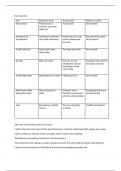
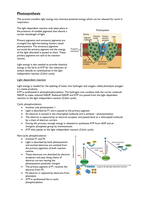
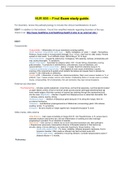
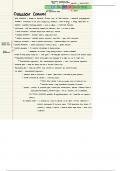
Impotence - Inability of a sexually mature male to maintain erection long enough to have an ejaculation Vasectomy - Sterilization of male by simple surgical procedure Cryptorchidism - "Hidden testis" - Failure of one or both testes descent into scortum Turner's Syndome - When only one X chromosome is present, individual appears to be female, gonads are rudimentary or absent and do no mature at puberty True hermaphroditism - When both male and female gonadal tissues are present; very rare Klinefelter's Syndrome - When XXY chromosomes are present, develops breast and male genitalia, has underdeveloped seminiferous tubules Gubernaculum - Muscle in reproductive system that pulls the testis into the scortum Gestation - Period of prenatal development: usually 9 months Labia minora - Forms margins of vestibule and protects openings of vagina and urethra Primary sex organs (gonads) - Produce gametes and secrete sex hormones. Testes in males, ovaries in females. Secondary sex organs (males) - Structures essential in caring and transporting sperm Scrotum - Pouch of skin that encloses the testes Gubernaculum - Strong fibrous cord that mechanically guides the migration of the testes to exit the pelvic cavity and enter the scrotum Secondary sex organs (females) - Essential for fertilization of the ovum, implantation of the blastocyst, development of the embryo and fetus,and parturition. Gonorrhea ("the clap") - Males have painful urination and discharge pus. Females = asymptomatic, may infect uterus or uterine tube. May also be passed down from the mother to the eyes of a newborn and cause blindness. Syphilis - Venereal disease that appears and disappears throughout life if untreated. If untreated, may cause blindness and insanity. Amenorrhea - Absence of mensturation Prostatic carcinoma - Second leading cause of death from cancer in males in the U.S. Common in males over 60. Cancer of prostate gland Normal amenorrhea - Follows menopause, occurs during pregnancy, and may occur during lactation Primary amenorrhea - When a woman has never mensturated. Usually accompanied by failure of development of secondary sexual characteristics. Secondary amenorrhea - Cessation of mensturation of a woman who had normal menstural cycles and have not went through menopause nor are they pregnant. May be caused by temporary stress, fatigue, poor nutrition or sickness. Mastectomy - Removal of the breast and and perhaps associated tissues Simple mastectomy - Removal of the entire breast but not underlying lymph nodes Modified radical mastectomy - Complete removal of the breast, lymphatic drainage, and perhaps pectoralis major muscle Radical mastectomy - Similar to modified radical mastectomy except the pectoralis major muscle is ALWAYS removed. as well as axillary lymph nodes and adjacent connective tissue. Amniocentesis - A technique used to obtain amniotic fluid with a syringe to determine fetal maturity. Also can help predict serious disorders like Down's syndrome and Gaucher's disease. Bulbourethral glands - Secrete fluid that lubricates urethra and end of penis Prostate gland - Secretes alkaline fluid that helps neutralize acidic seminal fluid and enhances motility of spermatozoa Seminiferous tubules - Produce spermatozoa in testes. Functional unit of the testes! Ductus deferentia - Store spermatozoa and convey spermatozoa to ejaculatory ducts. Ejaculatory ducts - Receive spermatozoa and additives to produce seminal fluid Uterine tubes - Convey ovum toward uterus, site of fertilization, and convey developing pre-embryo to uterus Uterus - Site of implantation, protects and sustains life of embryo and fetus during pregnancy, and has an active role in parturition Vestibular glands - Secrete fluid that moistens and lubricates vestibule and vaginal opening during intercourse Vestibule - Cleft between labia minora that includes vaginal and urethral openings Body of sperm - Contains numerous mitochondria spiraled around a filamentous core. Mitochondria provide energy for locomotion Acrosome - Contains enzymes that help sperm penetrate into ovum Prolactin - Promotes secretion of milk from mammary glands (lactation) Diabetes Mellitus - One of the most common endocrine disorders Placenta - Responsible for nutrient and waste exchange between fetus and mother. Secretes at least 3 hormones to aid in maintaining pregnancy Goiter - An enlargement of thyroid gland. May be caused by insufficient amounts of iodine in diet Aspiration - The act of inhaling or drawing something into the lungs or respiratory passages Tracheotomy - The surgical opening of the trachea that provides an alternative route for air to reach the lungs Silicosis - A disorder caused by inhalation of sharp-edged particles of dust that cut small holes in alveoli of the lungs causing blood to accumulate in the alveoli Cystic fibrosis - Causes secretion of abnormally viscous mucous that clogs the respiratory passages, providing a breeding ground for airborne bacteria that predisposes the person to respiratory infections Emphysema - What is distinguished by permanent enlargement of the alveoli, accompanied by destruction of the alveolar walls? Eupena - Refers to the normal respiratory rate and rhythm Hypoxia - Inadequate delivery of oxygen to the tissues Coma, death, or too many free radicals - Excessively high concentrations of oxygen can lead to Nitrogen - The most abundant gas in the atmosphere is Hiccups - Caused by sudden inspirations resulting from spasms in the diaphragm.
Escuela, estudio y materia
- Institución
- Portage Learning
- Grado
- A&P (AP)
Información del documento
- Subido en
- 18 de febrero de 2025
- Número de páginas
- 7
- Escrito en
- 2024/2025
- Tipo
- Examen
- Contiene
- Preguntas y respuestas
Temas
-
ap 2
-
ap
-
ap 2 final exam study guide