

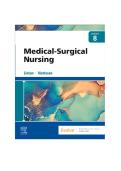
Test Bank-Medical-Surgical Nursing_
https://www.stuvia.com/user/filwe1099salmin
8th edition _ Adriannehttps://www.stuvia.com/user/filwe1099salmin
Dill Linton _ ISBN_ 9780323826716https://www.stuvi
tyeth
vv
ttps://ww
w.stuvia.com/user/filwe1099salminhttps://www.stuvia.com/ushttps://www.stuvia.com/user/filw
e1099salminer/filwe1099salmin
edical-Surgical
ng_ 8thhttps://www.stuvia.com/user/filwe1099salmin
editionNursing_
_ Adrianne
8thDill
edition
Linton
_ Adrianne
_ ISBN_ 9780323826716.pdfhttps://www.stuvia.com/user/filwe1099salmin
Dill Linton _ ISBN_ 9780323826716.pdfhttps://www.stuvia.com/user/filw
, Test Bank-Medical-Surgical Nursing_
https://www.stuvia.com/user/filwe1099salmin
8th edition _ Adriannehttps://www.stuvia.com/user/filwe1099salmin
Dill Linton _ ISBN_ 9780323826716https://www.stuvi
tyeth
vv
ttps://ww
w.stuvia.com/user/filwe1099salminhttps://www.stuvia.com/ushttps://www.stuvia.com/user/filw
e1099salminer/filwe1099salmin
Test Bank-Medical-Surgical Nursing:
8th edition | Adrianne Dill Linton |
ISBN: 9780323826716
Chapter 1: Introduction to Medical-Surgical Nursing
MCQs
1. Which action demonstrates that the nurse understands the purpose of the Rapid
Response Team (RRT)?
A. Monitoring the client for changes in postoperative status such as wound infection
B. Documenting all changes observed in the client and maintaining a postoperative flow
sheet
C. Notifying the physician of the client's change in blood pressure from 140 mm Hg to 88 mm
Hg systolic
D. Notifying the physician of the client's increase in restlessness after a medication change
Answer: C
Rationale:
The Rapid Response Team (RRT) intervenes when a client's condition begins to deteriorate,
with the goal of preventing respiratory or cardiac arrest. A significant drop in systolic blood
pressure indicates acute clinical decline and warrants activation of the RRT. Routine
postoperative monitoring, documentation, and notifying the physician about non-emergent
changes are important nursing responsibilities but are not the primary purpose of the RRT.
Cognitive Level: Comprehension/Understanding
Client Needs Category: Safe and Effective Care Environment – Management of Care
Integrated Process: Nursing Process (Assessment)
Reference: pp. 2–3
2. The Joint Commission focuses on safety in healthcare. Which nursing action best
reflects this objective?
A. Performing range-of-motion exercises three times daily
B. Ensuring the client consumes all meals provided
C. Assessing respiratory status when administering opioid medications
D. Delegating daily bathing to the nursing assistant
edical-Surgical
ng_ 8thhttps://www.stuvia.com/user/filwe1099salmin
editionNursing_
_ Adrianne
8thDill
edition
Linton
_ Adrianne
_ ISBN_ 9780323826716.pdfhttps://www.stuvia.com/user/filwe1099salmin
Dill Linton _ ISBN_ 9780323826716.pdfhttps://www.stuvia.com/user/filw
, Test Bank-Medical-Surgical Nursing_
https://www.stuvia.com/user/filwe1099salmin
8th edition _ Adriannehttps://www.stuvia.com/user/filwe1099salmin
Dill Linton _ ISBN_ 9780323826716https://www.stuvi
tyeth
vv
ttps://ww
w.stuvia.com/user/filwe1099salminhttps://www.stuvia.com/ushttps://www.stuvia.com/user/filw
e1099salminer/filwe1099salmin
Answer: C
Rationale:
Opioid medications can cause respiratory depression. Assessing respiratory rate and effort
before and after administration promotes client safety and aligns with The Joint
Commission's emphasis on preventing patient harm. The remaining interventions may be
appropriate in certain situations but are not specifically related to safety initiatives.
Cognitive Level: Application/Applying
Client Needs Category: Safe and Effective Care Environment – Safety and Infection
Control
Integrated Process: Nursing Process (Assessment)
3. Which nursing action best demonstrates respect for the ethical principle of
self-determination?
A. Allowing a postoperative client to choose fruit juice instead of water when taking
medication
B. Allowing an adolescent with profuse vaginal bleeding to refuse evaluation at a clinic
C. Supporting a parent's decision to refuse lifesaving surgery for a child
D. Permitting a client with dementia to decline prescribed cardiac medication
Answer: A
Rationale:
Self-determination, also known as autonomy, recognizes the client's right to participate in
decisions regarding personal care. Choosing how to take prescribed medication is an
example of appropriate autonomous decision-making. The other options involve situations in
which refusal of care could place the individual at significant risk for harm.
Cognitive Level: Application/Applying
Client Needs Category: Safe and Effective Care Environment – Ethical Practice
Integrated Process: Nursing Process (Assessment)
4. Before beginning a teaching session with an older adult client, which action is the
nurse's highest priority?
A. Ensuring family members are present
B. Confirming that the client is wearing prescribed glasses
C. Preparing printed educational handouts
D. Scheduling the session after the evening meal
Answer: B
Rationale:
Effective teaching depends on the client's ability to receive and process information.
Ensuring that visual aids such as corrective lenses are available promotes optimal learning.
edical-Surgical
ng_ 8thhttps://www.stuvia.com/user/filwe1099salmin
editionNursing_
_ Adrianne
8thDill
edition
Linton
_ Adrianne
_ ISBN_ 9780323826716.pdfhttps://www.stuvia.com/user/filwe1099salmin
Dill Linton _ ISBN_ 9780323826716.pdfhttps://www.stuvia.com/user/filw
, Test Bank-Medical-Surgical Nursing_
https://www.stuvia.com/user/filwe1099salmin
8th edition _ Adriannehttps://www.stuvia.com/user/filwe1099salmin
Dill Linton _ ISBN_ 9780323826716https://www.stuvi
tyeth
vv
ttps://ww
w.stuvia.com/user/filwe1099salminhttps://www.stuvia.com/ushttps://www.stuvia.com/user/filw
e1099salminer/filwe1099salmin
Family participation, written materials, and scheduling considerations are important but
secondary to addressing sensory deficits.
Cognitive Level: Application/Applying
Client Needs Category: Health Promotion and Maintenance – Principles of Teaching and
Learning
Integrated Process: Teaching/Learning
5. Which nursing intervention best reflects client-centered care when planning meals
for a Vietnamese client newly diagnosed with diabetes?
A. Asking the client to select foods from a standard diabetic menu
B. Asking family members to choose meals for the client
C. Ordering a standard diabetic diet and initiating teaching
D. Learning about Vietnamese cultural food practices before discussing meal planning
Answer: D
Rationale:
Client-centered care incorporates cultural preferences and values into healthcare planning.
By understanding traditional Vietnamese dietary practices, the nurse can collaborate with the
client to develop realistic and culturally appropriate meal plans that support diabetes
management.
Cognitive Level: Application/Applying
Client Needs Category: Physiological Integrity – Nutrition and Oral Hydration
Integrated Process: Teaching/Learning
edical-Surgical
ng_ 8thhttps://www.stuvia.com/user/filwe1099salmin
editionNursing_
_ Adrianne
8thDill
edition
Linton
_ Adrianne
_ ISBN_ 9780323826716.pdfhttps://www.stuvia.com/user/filwe1099salmin
Dill Linton _ ISBN_ 9780323826716.pdfhttps://www.stuvia.com/user/filw
https://www.stuvia.com/user/filwe1099salmin
8th edition _ Adriannehttps://www.stuvia.com/user/filwe1099salmin
Dill Linton _ ISBN_ 9780323826716https://www.stuvi
tyeth
vv
ttps://ww
w.stuvia.com/user/filwe1099salminhttps://www.stuvia.com/ushttps://www.stuvia.com/user/filw
e1099salminer/filwe1099salmin
edical-Surgical
ng_ 8thhttps://www.stuvia.com/user/filwe1099salmin
editionNursing_
_ Adrianne
8thDill
edition
Linton
_ Adrianne
_ ISBN_ 9780323826716.pdfhttps://www.stuvia.com/user/filwe1099salmin
Dill Linton _ ISBN_ 9780323826716.pdfhttps://www.stuvia.com/user/filw
, Test Bank-Medical-Surgical Nursing_
https://www.stuvia.com/user/filwe1099salmin
8th edition _ Adriannehttps://www.stuvia.com/user/filwe1099salmin
Dill Linton _ ISBN_ 9780323826716https://www.stuvi
tyeth
vv
ttps://ww
w.stuvia.com/user/filwe1099salminhttps://www.stuvia.com/ushttps://www.stuvia.com/user/filw
e1099salminer/filwe1099salmin
Test Bank-Medical-Surgical Nursing:
8th edition | Adrianne Dill Linton |
ISBN: 9780323826716
Chapter 1: Introduction to Medical-Surgical Nursing
MCQs
1. Which action demonstrates that the nurse understands the purpose of the Rapid
Response Team (RRT)?
A. Monitoring the client for changes in postoperative status such as wound infection
B. Documenting all changes observed in the client and maintaining a postoperative flow
sheet
C. Notifying the physician of the client's change in blood pressure from 140 mm Hg to 88 mm
Hg systolic
D. Notifying the physician of the client's increase in restlessness after a medication change
Answer: C
Rationale:
The Rapid Response Team (RRT) intervenes when a client's condition begins to deteriorate,
with the goal of preventing respiratory or cardiac arrest. A significant drop in systolic blood
pressure indicates acute clinical decline and warrants activation of the RRT. Routine
postoperative monitoring, documentation, and notifying the physician about non-emergent
changes are important nursing responsibilities but are not the primary purpose of the RRT.
Cognitive Level: Comprehension/Understanding
Client Needs Category: Safe and Effective Care Environment – Management of Care
Integrated Process: Nursing Process (Assessment)
Reference: pp. 2–3
2. The Joint Commission focuses on safety in healthcare. Which nursing action best
reflects this objective?
A. Performing range-of-motion exercises three times daily
B. Ensuring the client consumes all meals provided
C. Assessing respiratory status when administering opioid medications
D. Delegating daily bathing to the nursing assistant
edical-Surgical
ng_ 8thhttps://www.stuvia.com/user/filwe1099salmin
editionNursing_
_ Adrianne
8thDill
edition
Linton
_ Adrianne
_ ISBN_ 9780323826716.pdfhttps://www.stuvia.com/user/filwe1099salmin
Dill Linton _ ISBN_ 9780323826716.pdfhttps://www.stuvia.com/user/filw
, Test Bank-Medical-Surgical Nursing_
https://www.stuvia.com/user/filwe1099salmin
8th edition _ Adriannehttps://www.stuvia.com/user/filwe1099salmin
Dill Linton _ ISBN_ 9780323826716https://www.stuvi
tyeth
vv
ttps://ww
w.stuvia.com/user/filwe1099salminhttps://www.stuvia.com/ushttps://www.stuvia.com/user/filw
e1099salminer/filwe1099salmin
Answer: C
Rationale:
Opioid medications can cause respiratory depression. Assessing respiratory rate and effort
before and after administration promotes client safety and aligns with The Joint
Commission's emphasis on preventing patient harm. The remaining interventions may be
appropriate in certain situations but are not specifically related to safety initiatives.
Cognitive Level: Application/Applying
Client Needs Category: Safe and Effective Care Environment – Safety and Infection
Control
Integrated Process: Nursing Process (Assessment)
3. Which nursing action best demonstrates respect for the ethical principle of
self-determination?
A. Allowing a postoperative client to choose fruit juice instead of water when taking
medication
B. Allowing an adolescent with profuse vaginal bleeding to refuse evaluation at a clinic
C. Supporting a parent's decision to refuse lifesaving surgery for a child
D. Permitting a client with dementia to decline prescribed cardiac medication
Answer: A
Rationale:
Self-determination, also known as autonomy, recognizes the client's right to participate in
decisions regarding personal care. Choosing how to take prescribed medication is an
example of appropriate autonomous decision-making. The other options involve situations in
which refusal of care could place the individual at significant risk for harm.
Cognitive Level: Application/Applying
Client Needs Category: Safe and Effective Care Environment – Ethical Practice
Integrated Process: Nursing Process (Assessment)
4. Before beginning a teaching session with an older adult client, which action is the
nurse's highest priority?
A. Ensuring family members are present
B. Confirming that the client is wearing prescribed glasses
C. Preparing printed educational handouts
D. Scheduling the session after the evening meal
Answer: B
Rationale:
Effective teaching depends on the client's ability to receive and process information.
Ensuring that visual aids such as corrective lenses are available promotes optimal learning.
edical-Surgical
ng_ 8thhttps://www.stuvia.com/user/filwe1099salmin
editionNursing_
_ Adrianne
8thDill
edition
Linton
_ Adrianne
_ ISBN_ 9780323826716.pdfhttps://www.stuvia.com/user/filwe1099salmin
Dill Linton _ ISBN_ 9780323826716.pdfhttps://www.stuvia.com/user/filw
, Test Bank-Medical-Surgical Nursing_
https://www.stuvia.com/user/filwe1099salmin
8th edition _ Adriannehttps://www.stuvia.com/user/filwe1099salmin
Dill Linton _ ISBN_ 9780323826716https://www.stuvi
tyeth
vv
ttps://ww
w.stuvia.com/user/filwe1099salminhttps://www.stuvia.com/ushttps://www.stuvia.com/user/filw
e1099salminer/filwe1099salmin
Family participation, written materials, and scheduling considerations are important but
secondary to addressing sensory deficits.
Cognitive Level: Application/Applying
Client Needs Category: Health Promotion and Maintenance – Principles of Teaching and
Learning
Integrated Process: Teaching/Learning
5. Which nursing intervention best reflects client-centered care when planning meals
for a Vietnamese client newly diagnosed with diabetes?
A. Asking the client to select foods from a standard diabetic menu
B. Asking family members to choose meals for the client
C. Ordering a standard diabetic diet and initiating teaching
D. Learning about Vietnamese cultural food practices before discussing meal planning
Answer: D
Rationale:
Client-centered care incorporates cultural preferences and values into healthcare planning.
By understanding traditional Vietnamese dietary practices, the nurse can collaborate with the
client to develop realistic and culturally appropriate meal plans that support diabetes
management.
Cognitive Level: Application/Applying
Client Needs Category: Physiological Integrity – Nutrition and Oral Hydration
Integrated Process: Teaching/Learning
edical-Surgical
ng_ 8thhttps://www.stuvia.com/user/filwe1099salmin
editionNursing_
_ Adrianne
8thDill
edition
Linton
_ Adrianne
_ ISBN_ 9780323826716.pdfhttps://www.stuvia.com/user/filwe1099salmin
Dill Linton _ ISBN_ 9780323826716.pdfhttps://www.stuvia.com/user/filw

