Interpersoonlijke communicatie
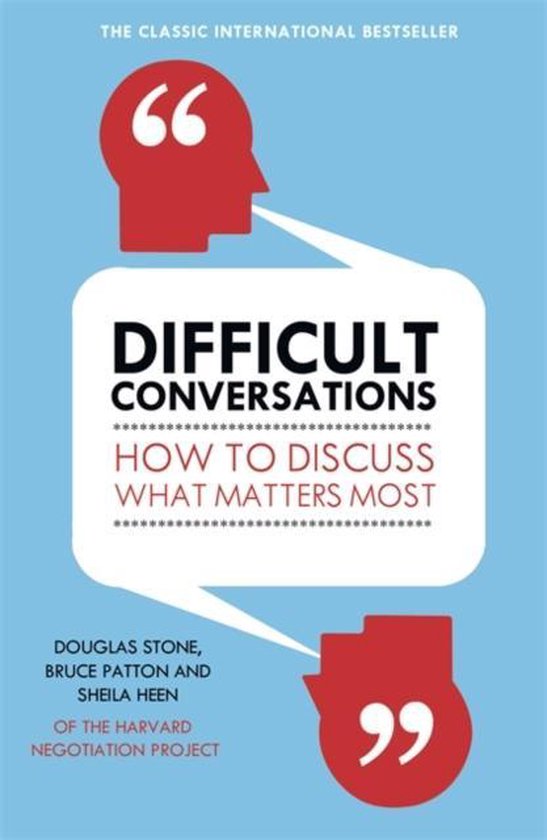
Difficult conversations
Introduction
A difficult conversation is anything you find it hard to talk about
Discomfort and awkwardness topics. Difficult:
- We feel vulnerable or our self-esteem is implicated
- Issues at stake are high and the outcome uncertain
- We care deeply about what is being discussed or about the people with whom we
are discussing it
- Ordinary conversations, but cause anxiety (telling not to smoke)
The dilemma: avoid or confront, it seems there is no good path
Avoid:
- Feel taken advantage of
- Feelings will fester
- Wonder why we don’t stick up for ourselves
- Rob the person of the opportunity to improve things
Confront:
- Things might get even worse
- We may get rejected or attacked
- Might hurt the other person in ways we didn’t intend
- Relationship might suffer
There is no such thing as a diplomatic hand grenade
Desperate for a way out of dilemma, be very tactful everything ends up fine. Tact is not
the answer to difficult conversations. No matter how you bring the message, there still will
be damage.
The Problem
Chapter 1: Sort out the three conversations
Decoding the structure of difficult conversations
There’s more here than meets the ear
Understand what is said and what not, what the people involved are thinking and feeling but
what is not said. The gap between what you’re really thinking and what you’re saying is part
of what makes a conversation difficult. You’re distracted by all that’s going on. What can and
can’t you say?
Each difficult conversation is really three conversations
Structure to what’s going on, understand improve how we deal with these conversations.
Our thoughts and feelings fall into three categories. In each conversation we make
predictable errors that distort out thoughts and feelings get us into trouble.
, 1. The What Happened? Conversation. Involve disagreement about what happened or
what should happen. Who said what and who did what? Who’s right, who meant
what and who’s to blame?
2. The Feelings Conversation. Asks and answers questions about feelings. Appropriate?
Acknowledge them? What about the other person’s feelings?
3. The identity Conversation. Conversation we have with ourselves about what this
situation means to us ((in)component, good/ bad person, impact self-image etc.).
Answers determine whether we feel ‘balanced’ during the conversation or off centre.
What we can’t change and what we can
We can’t change all the challenges in the Three Conversations. We have information the
other person is unaware of, raising each other’s awareness is not easy. We can change the
way we respond to the challenges. Understand the errors and verwoesting die ze
veroorzaken craft better approaches
The ‘What Happened?’ Conversation: What’s the story here?
Much time in difficult conversations. Who’s right, who meant what and who’s to blame?
truth, intention and blame.
- The Truth Assumption. I am right, you’re wrong. What am I right about? One failure, I
am not right. Difficult conversations are almost never about getting the facts right.
They’re about conflicting perceptions, interpretations, judgment and values. They’re
not about what is true, but what is important. Solve: move away from the truth
assumption free to shift our purpose from proving right to understand the
perceptions, interpretations and values of both sides. Drive away from delivering
message ask questions, explore the other’s world. Offer our views as perceptions,
interpretations and values not as truth.
- The Intention Assumption. What you think about an intention will affect how you
think about the other how the conversation goes. We assume we know the
intentions of others when we don’t. When we’re unsure about an intention we
decide they’re bad. Solve: intentions are invisible, assume them from other people’s
behavior we make the up, because intentions are complex.
- The Blame Frame. Who’s to blame for the mess we’re in. Talking about fault
produces disagreement, denial and little learning. It calls fears of punishment and
insists on an answer. You don’t want to be blamed. It’s difficult to see what you did
wrong, but when difficult conversations came it’s the result of what both people did/
failed to do. Solve: punishment is rarely relevant, figure out what kept them from
seeing it command and how to prevent the problem from happening again. Talking
about blame distracts us from exploring why things went wrong. Focus on
understanding the contribution learn about the real causes of the problem and
work on correcting them.
The Feelings Conversation: What should we do with our emotions?
Difficult conversations involve emotions. How to handle them? Presence strong feelings
we stay rational. Getting too deep into feelings is messy, clouds good judgement and can
seen inappropriate. Can be scary or uncomfortable makes us feel vulnerable stay out of
The Feelings Conversation.
, An opera without music
Problem, difficult conversations are at the very kern about feelings, they’re an integral part
of the conflict. A difficult conversation without talking about feeling is like an opera without
music. You’ll get the point, but miss the plot. Seems like a way to avoid serious risks, but
what have you accomplished if you don’t address them? Solve: talk about feelings, may save
time and reduce anxiety.
The Identity Conversation: What does this story say about me?
Most subtle and challenging, but offers leverage in managing anxiety and improving skills in
the other 2 conversations. It’s all about who we are and how we see ourselves. Before,
during and after the difficult conversation it’s about what I am saying to myself about me.
It’s about You (how does what happened affect my self-esteem, impact future? etc.).
Keeping your balance
Sense implication of the conversation for your self-image begin to lose your balance
lose confidence in ourselves, lose concentration, forget what you were going to say, feel
paralyzed, overcome by panic or trouble breathing. Solve: develop skills, turn your source of
anxiety into a source of strength.
Moving towards a learning conversation
Purpose for having a difficult conversation is to prove a point, give the other a piece of mind
or get them to do what we want deliver a message. Change your stance invite the other
person into the conversation and figure things out together. Learn from each other
learning conversation.
The ‘What happened?’ conversation
Chapter 2: Stop arguing about who’s right: explore each other’s
stories
People disagree. It doesn’t have to be a bad thing, but it can get frustrated, hurt or
misunderstood. The disagreement continues in the future.
Why we argue and why it doesn’t help
We think they’re the problem
- They’re selfish. We try to be forthright and call them on it.
- They’re naïve. We try to educate the other person.
- They’re controlling. We try to be forthright and call them on it.
- They’re irrational. We assert harder in an attempt to break through.
arguments nothings gets settled.
They think we’re the problem
We each make sense in our story of what happened
We don’t see ourselves as the problem, what we say makes sense. It’s hard to see that what
the other person says also makes sense. We don’t see the ways in which our story of the
world differs from other people difficult conversations arise from the differences.
Difficult conversations
Introduction
A difficult conversation is anything you find it hard to talk about
Discomfort and awkwardness topics. Difficult:
- We feel vulnerable or our self-esteem is implicated
- Issues at stake are high and the outcome uncertain
- We care deeply about what is being discussed or about the people with whom we
are discussing it
- Ordinary conversations, but cause anxiety (telling not to smoke)
The dilemma: avoid or confront, it seems there is no good path
Avoid:
- Feel taken advantage of
- Feelings will fester
- Wonder why we don’t stick up for ourselves
- Rob the person of the opportunity to improve things
Confront:
- Things might get even worse
- We may get rejected or attacked
- Might hurt the other person in ways we didn’t intend
- Relationship might suffer
There is no such thing as a diplomatic hand grenade
Desperate for a way out of dilemma, be very tactful everything ends up fine. Tact is not
the answer to difficult conversations. No matter how you bring the message, there still will
be damage.
The Problem
Chapter 1: Sort out the three conversations
Decoding the structure of difficult conversations
There’s more here than meets the ear
Understand what is said and what not, what the people involved are thinking and feeling but
what is not said. The gap between what you’re really thinking and what you’re saying is part
of what makes a conversation difficult. You’re distracted by all that’s going on. What can and
can’t you say?
Each difficult conversation is really three conversations
Structure to what’s going on, understand improve how we deal with these conversations.
Our thoughts and feelings fall into three categories. In each conversation we make
predictable errors that distort out thoughts and feelings get us into trouble.
, 1. The What Happened? Conversation. Involve disagreement about what happened or
what should happen. Who said what and who did what? Who’s right, who meant
what and who’s to blame?
2. The Feelings Conversation. Asks and answers questions about feelings. Appropriate?
Acknowledge them? What about the other person’s feelings?
3. The identity Conversation. Conversation we have with ourselves about what this
situation means to us ((in)component, good/ bad person, impact self-image etc.).
Answers determine whether we feel ‘balanced’ during the conversation or off centre.
What we can’t change and what we can
We can’t change all the challenges in the Three Conversations. We have information the
other person is unaware of, raising each other’s awareness is not easy. We can change the
way we respond to the challenges. Understand the errors and verwoesting die ze
veroorzaken craft better approaches
The ‘What Happened?’ Conversation: What’s the story here?
Much time in difficult conversations. Who’s right, who meant what and who’s to blame?
truth, intention and blame.
- The Truth Assumption. I am right, you’re wrong. What am I right about? One failure, I
am not right. Difficult conversations are almost never about getting the facts right.
They’re about conflicting perceptions, interpretations, judgment and values. They’re
not about what is true, but what is important. Solve: move away from the truth
assumption free to shift our purpose from proving right to understand the
perceptions, interpretations and values of both sides. Drive away from delivering
message ask questions, explore the other’s world. Offer our views as perceptions,
interpretations and values not as truth.
- The Intention Assumption. What you think about an intention will affect how you
think about the other how the conversation goes. We assume we know the
intentions of others when we don’t. When we’re unsure about an intention we
decide they’re bad. Solve: intentions are invisible, assume them from other people’s
behavior we make the up, because intentions are complex.
- The Blame Frame. Who’s to blame for the mess we’re in. Talking about fault
produces disagreement, denial and little learning. It calls fears of punishment and
insists on an answer. You don’t want to be blamed. It’s difficult to see what you did
wrong, but when difficult conversations came it’s the result of what both people did/
failed to do. Solve: punishment is rarely relevant, figure out what kept them from
seeing it command and how to prevent the problem from happening again. Talking
about blame distracts us from exploring why things went wrong. Focus on
understanding the contribution learn about the real causes of the problem and
work on correcting them.
The Feelings Conversation: What should we do with our emotions?
Difficult conversations involve emotions. How to handle them? Presence strong feelings
we stay rational. Getting too deep into feelings is messy, clouds good judgement and can
seen inappropriate. Can be scary or uncomfortable makes us feel vulnerable stay out of
The Feelings Conversation.
, An opera without music
Problem, difficult conversations are at the very kern about feelings, they’re an integral part
of the conflict. A difficult conversation without talking about feeling is like an opera without
music. You’ll get the point, but miss the plot. Seems like a way to avoid serious risks, but
what have you accomplished if you don’t address them? Solve: talk about feelings, may save
time and reduce anxiety.
The Identity Conversation: What does this story say about me?
Most subtle and challenging, but offers leverage in managing anxiety and improving skills in
the other 2 conversations. It’s all about who we are and how we see ourselves. Before,
during and after the difficult conversation it’s about what I am saying to myself about me.
It’s about You (how does what happened affect my self-esteem, impact future? etc.).
Keeping your balance
Sense implication of the conversation for your self-image begin to lose your balance
lose confidence in ourselves, lose concentration, forget what you were going to say, feel
paralyzed, overcome by panic or trouble breathing. Solve: develop skills, turn your source of
anxiety into a source of strength.
Moving towards a learning conversation
Purpose for having a difficult conversation is to prove a point, give the other a piece of mind
or get them to do what we want deliver a message. Change your stance invite the other
person into the conversation and figure things out together. Learn from each other
learning conversation.
The ‘What happened?’ conversation
Chapter 2: Stop arguing about who’s right: explore each other’s
stories
People disagree. It doesn’t have to be a bad thing, but it can get frustrated, hurt or
misunderstood. The disagreement continues in the future.
Why we argue and why it doesn’t help
We think they’re the problem
- They’re selfish. We try to be forthright and call them on it.
- They’re naïve. We try to educate the other person.
- They’re controlling. We try to be forthright and call them on it.
- They’re irrational. We assert harder in an attempt to break through.
arguments nothings gets settled.
They think we’re the problem
We each make sense in our story of what happened
We don’t see ourselves as the problem, what we say makes sense. It’s hard to see that what
the other person says also makes sense. We don’t see the ways in which our story of the
world differs from other people difficult conversations arise from the differences.