

Hane & Labour market
Price-setting firms =
produce differentiated products
Principal-agent model =
explain conflict of interest between
employer and employee over workers effort
· GDP =
c + I + G + x -
M
Wage setting curve , price setting curve and labour market
nominal received
wage salary ; actual amount in
particular currency
=
W
of
real
wage
=
buying power money ; p
labour production
only input in
-
only cost for
firms-wage
(MT)
profit function of :
is
nominal of labour (AP)
wage average product
price of good
M =
TR-TC
TR =
PXQ
·
total product =
ARx a
o
TC =
WXL
=
employment rate
⑤
be
wage must set to earn
employment rent
of of
employment rent-value
job-value reservation
wage
benefit other
reservation
wage
= alternative
employment ;
unemployment support
HR set lowest wage
=
Marketing department-set price at it
maximising price
it mark-up Price
max
production cost +
markup
=
Pw W
markup P
: feasible set
-
p
=
Real and
employment level determined
wage
W nominal
wage
bundle of
=
real of standard
price level goods
=
wage p
2 Each firm sets : Price for their products
. a . to
charge
. How
b workers to hire
many
What to workers
pay
.
c
Add individual firm's decisions total for and
.
2
together to
get employment economy
real
wage
,Measuring :
economy employment
and
unemployment
Labour Force
Survey (QLFS)
info about SA labour market =
collected
by Statistics SA
quarterly using Quarterly
reference week
employed = persons aged 15-64
yrs
who work at least 1 hour
during
unable
discouraged work-seeker not
employed in reference week ; did not take active
steps to find work in last 4 weeks due to ; no
jobs available in
=
area
,
find skills
to work
requiring
or lost
hope of
finding work
unemployed aged 15-64 who are not
employed in reference , not
actively for work ina weeks
-
week
persons yrs
I
(WAP)
working age population willing and able to work
employed
↳ broad labour force labour force
15-64 narrow
years
unemployed
population
neither
willing nor able to work
discouraged work-seekers
too or old to
young
form WAP broad and able work
part of labour force
willing to
=
narrow labour force narrow
willing and able to work
narrowly unemployed people employed
+
= =
Labour market broad labour force workers
statistics
discouraged
= -
broad labour force
100
broad
participation of narrow
economically inactive
discouraged workers not
willing able
F
rate
population working
= + or
age
narrow labour force
100
participation of broad
economically inactive not
willing able
F
narrow rate
population working
or
-
age
broad unemployed X 100
broad
unemployment rate broad labour force
· =
narrowly unemployedaearce X 100
narrow
unemployment rate =
.
employed 100
employment rate
=
of
population working age
Employment and real
wages
of workers hard
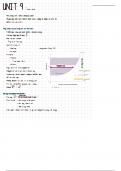
wage-setting curve =
real
wage necessary at each level
economy-wide employment to provide with incentives to work and well .
firms choose
price-setting curve- real
wage paid
when
profit-maximising price
Price-setting curve
mark-up
firm sets price
:
Wage cost
price per unit output
=
profit per
unit+
wage
cost
per unit
worker real profit worker real worker
output
+
per per wage per
labour of labour lamda a
productivity average product
competition determines mark-up
labour for
productivity determines real
wage given mark-up
, Firm's
hiring decision
of &
average product
1 hour of labour produce labour lamda
unit output I
=
1
=
HR
high enough motivate workforce
set to
wage
Marketing department determines feasible combination of
p and q and
picks point on demand curve to see
profitability of each combination
isoprofit curves =
all combinations
p a
and that will
yield same level of
profit given wage
firms
indifference curve used
by to
optimise level of
production
· Profit max
point
: Demand curve =
isoprofit curve
* *
total revenue
p xq
=
Production function of firm
lower
isoprofit curve ,
right of -max
point
-
marketing department will
price and
production
lower
isoprofit left of -max will
curve;
point-marketing department price and
production
Labour market in
equilibrium
firms offer workers lowest
age
that ensures effort at cost
possible
be offered
employment-highest it can
given wage
those with jobs cannot
improve situations by asking for
higher pay working less hard
jobless people who want to work but cannot
persuade firms to hire them
by accepting lower
wage
Nash
even in
equilibrium there is still
unemployment
Qs of labour Qd of labour at
given wage
labour vertical
support curve =
Involuntary unemployment
always be some
involuntary unemployment in
equilibrium Y profit markup
no
unemployment employment rent
=
no
be used
unemployment can to motivate workers
left of labour
wage-setting curve to the
supply curve
=
equilibrium where
wage
and
price setting
curves intersect must be
unemployed people
=
between
gap wage-setting
curve and labour
supply curve
Changes in demand for
goods
demand for labour-derived demand
demand for whole
aggregate goods & services=
economy
as
aggregate
demand ; unemployment demand deficient
unemployment cyclical unemployment
Price-setting firms =
produce differentiated products
Principal-agent model =
explain conflict of interest between
employer and employee over workers effort
· GDP =
c + I + G + x -
M
Wage setting curve , price setting curve and labour market
nominal received
wage salary ; actual amount in
particular currency
=
W
of
real
wage
=
buying power money ; p
labour production
only input in
-
only cost for
firms-wage
(MT)
profit function of :
is
nominal of labour (AP)
wage average product
price of good
M =
TR-TC
TR =
PXQ
·
total product =
ARx a
o
TC =
WXL
=
employment rate
⑤
be
wage must set to earn
employment rent
of of
employment rent-value
job-value reservation
wage
benefit other
reservation
wage
= alternative
employment ;
unemployment support
HR set lowest wage
=
Marketing department-set price at it
maximising price
it mark-up Price
max
production cost +
markup
=
Pw W
markup P
: feasible set
-
p
=
Real and
employment level determined
wage
W nominal
wage
bundle of
=
real of standard
price level goods
=
wage p
2 Each firm sets : Price for their products
. a . to
charge
. How
b workers to hire
many
What to workers
pay
.
c
Add individual firm's decisions total for and
.
2
together to
get employment economy
real
wage
,Measuring :
economy employment
and
unemployment
Labour Force
Survey (QLFS)
info about SA labour market =
collected
by Statistics SA
quarterly using Quarterly
reference week
employed = persons aged 15-64
yrs
who work at least 1 hour
during
unable
discouraged work-seeker not
employed in reference week ; did not take active
steps to find work in last 4 weeks due to ; no
jobs available in
=
area
,
find skills
to work
requiring
or lost
hope of
finding work
unemployed aged 15-64 who are not
employed in reference , not
actively for work ina weeks
-
week
persons yrs
I
(WAP)
working age population willing and able to work
employed
↳ broad labour force labour force
15-64 narrow
years
unemployed
population
neither
willing nor able to work
discouraged work-seekers
too or old to
young
form WAP broad and able work
part of labour force
willing to
=
narrow labour force narrow
willing and able to work
narrowly unemployed people employed
+
= =
Labour market broad labour force workers
statistics
discouraged
= -
broad labour force
100
broad
participation of narrow
economically inactive
discouraged workers not
willing able
F
rate
population working
= + or
age
narrow labour force
100
participation of broad
economically inactive not
willing able
F
narrow rate
population working
or
-
age
broad unemployed X 100
broad
unemployment rate broad labour force
· =
narrowly unemployedaearce X 100
narrow
unemployment rate =
.
employed 100
employment rate
=
of
population working age
Employment and real
wages
of workers hard
wage-setting curve =
real
wage necessary at each level
economy-wide employment to provide with incentives to work and well .
firms choose
price-setting curve- real
wage paid
when
profit-maximising price
Price-setting curve
mark-up
firm sets price
:
Wage cost
price per unit output
=
profit per
unit+
wage
cost
per unit
worker real profit worker real worker
output
+
per per wage per
labour of labour lamda a
productivity average product
competition determines mark-up
labour for
productivity determines real
wage given mark-up
, Firm's
hiring decision
of &
average product
1 hour of labour produce labour lamda
unit output I
=
1
=
HR
high enough motivate workforce
set to
wage
Marketing department determines feasible combination of
p and q and
picks point on demand curve to see
profitability of each combination
isoprofit curves =
all combinations
p a
and that will
yield same level of
profit given wage
firms
indifference curve used
by to
optimise level of
production
· Profit max
point
: Demand curve =
isoprofit curve
* *
total revenue
p xq
=
Production function of firm
lower
isoprofit curve ,
right of -max
point
-
marketing department will
price and
production
lower
isoprofit left of -max will
curve;
point-marketing department price and
production
Labour market in
equilibrium
firms offer workers lowest
age
that ensures effort at cost
possible
be offered
employment-highest it can
given wage
those with jobs cannot
improve situations by asking for
higher pay working less hard
jobless people who want to work but cannot
persuade firms to hire them
by accepting lower
wage
Nash
even in
equilibrium there is still
unemployment
Qs of labour Qd of labour at
given wage
labour vertical
support curve =
Involuntary unemployment
always be some
involuntary unemployment in
equilibrium Y profit markup
no
unemployment employment rent
=
no
be used
unemployment can to motivate workers
left of labour
wage-setting curve to the
supply curve
=
equilibrium where
wage
and
price setting
curves intersect must be
unemployed people
=
between
gap wage-setting
curve and labour
supply curve
Changes in demand for
goods
demand for labour-derived demand
demand for whole
aggregate goods & services=
economy
as
aggregate
demand ; unemployment demand deficient
unemployment cyclical unemployment

