Political Thinkers
Table of Contents
Lecture 1: Plato Introduction...........................................................................................................................1
Lecture 2: Plato: Public Philosophy................................................................................................................5
Lecture 3: John Locke I....................................................................................................................................6
Lecture 4: John Locke II..................................................................................................................................9
Tutorial 2.........................................................................................................................................................11
Lecture 5: Jean-Jacques Rousseau................................................................................................................13
Lecture 6: Jean-Jacques Rousseau II............................................................................................................17
Tutorial 3.........................................................................................................................................................21
Lecture 7: Edmund Burke..............................................................................................................................22
Lecture 8: Mary Wollstonecraft.....................................................................................................................24
Lecture 9: Karl Marx – Critique of capitalism, imperialism, and the state..................................................27
Lecture 10: Karl Marx – On the Jewish Question and ‘primitive accumulation’.......................................31
Lecture 11: Leo Tolstoy..................................................................................................................................35
Lecture 12: He-Yin Zhen................................................................................................................................38
Tutorial 6.........................................................................................................................................................40
Lecture 13: W. E. B. Du Bois.........................................................................................................................40
Lecture 14: Martin Luther King Jr................................................................................................................41
Tutorial 7.........................................................................................................................................................44
Lecture 15: Frantz Fanon..............................................................................................................................44
Lecture 16: Gandhi.........................................................................................................................................49
Tutorial 8:........................................................................................................................................................54
Lecture 17 and 18: John Rawls......................................................................................................................55
Tutorial 9:........................................................................................................................................................65
Lecture 19: Simone de Beauvoir....................................................................................................................65
Lecture 20: Audre Lorde.................................................................................................................................67
Tutorial 10.......................................................................................................................................................69
Recapitulation Lecture....................................................................................................................................70
Lecture 1: Plato Introduction
What is political thought?
- Understanding
How did we get here? What are the norms and the concepts presupposed by current political
debates?
How do they enable and how do they obstruct our politics and the scope of our political
imagination?
- Evaluating
How do concepts and norms underpin practices of political exclusion and oppression?
Whose norms are dominant in political discussions and who benefits from specific framings
of political debates?
, In what ways do individuals, groups and institutions depart from collective commitments to
justice, equality, freedom?
- Articulating visions of a better world
How can we rethink our political concepts and principles in order to improve them?
What institutions serve the common good?
How should we organise our societies to better ensure more-than-human flourishing?
Key questions
- What is political authority?
- What is political legitimacy?
- What forms of social organisation are best suited to ensure freedom for all?
- How should we understand the relation between citizens and the state, and between states?
- What is gender and how can gender emancipation be achieved?
- What is colonialism and what is the relationship between colonialism and racialisation?
- How can we conceptualise historical and contemporary oppression and resistance to it?
Selection of thinkers: deparochialising the canon
- How we think and talk about politics in the present is rooted in long historical traditions specific to
certain geographical and cultural contexts: political concepts have multiple histories, of which the
European is just one among many
- Deparochialising the canon: move away from a Eurocentric idea of political theory towards one that
is plural, trans-national, and inclusive
- A genuine dialogue between traditions, which does not posit the European as the standard of value
and which avoids the chimera of ‘purity’
- Political theory has been implicated in political projects, oppressive (capitalist, sexist, racist,
imperial, ableist) and emancipatory (feminist, anti-racist, anti-colonial, socialist): political theory
cannot be studied in isolation from struggles on the ground
- Inclusion of thinkers whose work has had an impact on contemporary world understandings of the
world
- Not a course on progressive thought or on saints
- Thinkers whose ideas you might disagree with, and who left complex biographical and philosophical
legacies
- Thinkers help us to pose difficult questions more clearly
Risks
- Find coherent theories/doctrines where there are only scattered remarks
- Find non-existent similarities between thinkers
- Ignore the author’s own statement of purpose to find something implied ‘between the lines’
- Critique thinkers for failing to address a certain issue of pressing current concern
- Critique is not criticism – criticism = demolition; critique requires serious engagement
Aims
- To understand the text
1. Reading the text
2. Listening to lectures about the text
3. Discussing the text
4. Writing about the text
- To read political thought
A political thinker is trying to explain a phenomenon
What phenomenon is the thinker trying to explain?
How do they go about grappling with this phenomenon?
What categories do they develop to make sense of it?
- To see the politics behind the concepts
Political concepts are contested concepts
, The categories are always ‘up for grabs’
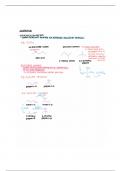
Plato’s Republic
Plato (c. 428 – 348 BCE)
Socrates (c. 470 – 399 BCE) – i.e., ‘Classical’ Athens
Republic c. 375 BCE
Original Title: Politeia (Πολιτεία)
Latin translation (by Cicero): De Republica
Hence modern languages: Republic, République, Die Republik
Subtitle: On Justice - dikaiosune (δικαιοσύνη)
: a quality of character, a virtue. Also, can apply to cities.
: what is justice? = what does it mean to be a good or excellent person? What is the moral or ethical thing
to do?
First line of Book I:
I went down to the Piraeus yesterday with Ariston’s son Glaucon to offer my prayers to the goddess…
Κατέβην = down I went
Movement: up and down, from above to below – movement is a key theme of the text
: Plato’s Cave, the Sun (Book. VII)
What ‘moves us’ to act as moral and political agents, and thereby either justly or unjustly?
: reason, passion
Piraeus
Port district of Athens, outside the city
Centre of resistance to ‘the Thirty’: military junta imposed by a foreign power, led by Plato’s mother’s
cousin, a Tyrant
‘the men of the Piraeus’ = those who fought for democracy with whom Socrates discusses justice
I
θεωρία (theoria)
: to watch, to contemplate
πράξις (praxis)
: to act, to complete
Not “abstract ideas” versus “concrete actions.
But different ways of life
Opens the question: what is the best way to live
The text as a dialogue/a play to be performed
A play to be performed
: the text tells us what the characters say; not what Plato really thinks
: not a clear thesis, with supporting arguments, grounded on clear premises
Cephalus (328c-331d): an old man : a ‘metic’ – born outside Athens, not a citizen; invited to settle in
Athens by Pericles himself : a wealthy arms dealer - helping the citizens in the Peloponnesian War against
the Spartan League; a lull in the fighting, when Athens is a new democracy...
Justice 1(331b-c): equity informed by truth =? honesty
: keeping of agreements: repaying what one owes, and avoiding fraud
331b: ‘The possession of money contributes a great deal to not cheating or lying to any man against
one’s will, and, moreover, to not departing for that other place frightened because one owes some
sacrifices to a god or money to a human being'
, Socrates’ reformulation (331c): Justice as ‘the truth, and giving back what a man has taken from another’
Socrates’ refutation via counter-example (331c): Giving back weapons to a madman would be unjust
Q. What are the political implication of this refutation?
: Requires a definition of ‘sound-mindedness’
: who defines?
: power and knowledge
Polemarchus (331d-336a)
: Cephalus’ son; the ‘heir’ to the argument; law of primogeniture – Cephalus had already discussed passing
on his fortune
Justice 2 (331e): loyalty?
Begins by reiterating Cephalus (331e): to give to each what is owed.
: traditional account – an ‘eye for an eye’; vengeance is not excluded.
Socrates’ reformulation (332d): ‘what is owed’ = ‘what is fitting’
: such that justice is now ‘doing good to friends and harm to enemies’.
Socrates’ refutation (333d-e): based on concern with utility and action.
: ‘is justice, then, only useful when the thing concerned is not being used, and useless when the thing is
being used’?
Implication justice is certain art of stealing (334b)
: this is unacceptable because stealing is unjust.
Clarification: re-definition of ‘friend’ and ‘enemy’ (335a)
‘good to do good to the friend, if he is good, and harm the enemy, Virtue (arête) specific excellence of a
if he is bad’ thing
Socrates’ refutation: doing harm to something necessarily makes it 4 ‘cardinal’ virtues
worse with respect to virtue (335b) Courage, moderation, justice, wisdom
335d: it has become apparent to us that it is never just to harm
anyone. What type of virtue is Justice?
(Socrates and Polemarchus then agree to become partners—that Specifically ‘human virtue’
is, they forge an agreement)
Thrasymachus (336b-351a)
: a sophist – professional rhetorician, teacher
: ‘hunched up like a wild beast’ (336b) – his argument tied to emotion of fear
: Thrasymachus is not so much ‘refuted’ as he is ‘reduced to silence’
Justice 3: ‘the advantage of the stronger (338c)
Justice 4: ‘someone else’s good’ (343c)
justice as selflessness: acting for others’ good and one’s own harm
: therefore, the superiority of perfect injustice (tyranny) as happiness (343a-344c)
1. How does Plato/Socrates move between these 2 accounts?
: what ‘definitions’, reformulations, refutations to get from J3 to J 4?
2. Are these accounts consistent with each other?
Socrates
Arguments with Thrasymachus
1. Art and Rule (341c-342e)
2. Rulers are unwilling (345-347a) Are these convincing?
3. The just man is like the wise and good, but the unjust man is like the Do they ‘refute’
bad and unlearned Thrasymachus?
Justice 5: Justice as virtue of the best city (351a)
‘no ‘tribe’ that has some common enterprise, if unjust, could possibly accomplish it. For injustice produces
‘faction’.
Justice 6: Justice as virtue of the soul (352d; 353d)
Table of Contents
Lecture 1: Plato Introduction...........................................................................................................................1
Lecture 2: Plato: Public Philosophy................................................................................................................5
Lecture 3: John Locke I....................................................................................................................................6
Lecture 4: John Locke II..................................................................................................................................9
Tutorial 2.........................................................................................................................................................11
Lecture 5: Jean-Jacques Rousseau................................................................................................................13
Lecture 6: Jean-Jacques Rousseau II............................................................................................................17
Tutorial 3.........................................................................................................................................................21
Lecture 7: Edmund Burke..............................................................................................................................22
Lecture 8: Mary Wollstonecraft.....................................................................................................................24
Lecture 9: Karl Marx – Critique of capitalism, imperialism, and the state..................................................27
Lecture 10: Karl Marx – On the Jewish Question and ‘primitive accumulation’.......................................31
Lecture 11: Leo Tolstoy..................................................................................................................................35
Lecture 12: He-Yin Zhen................................................................................................................................38
Tutorial 6.........................................................................................................................................................40
Lecture 13: W. E. B. Du Bois.........................................................................................................................40
Lecture 14: Martin Luther King Jr................................................................................................................41
Tutorial 7.........................................................................................................................................................44
Lecture 15: Frantz Fanon..............................................................................................................................44
Lecture 16: Gandhi.........................................................................................................................................49
Tutorial 8:........................................................................................................................................................54
Lecture 17 and 18: John Rawls......................................................................................................................55
Tutorial 9:........................................................................................................................................................65
Lecture 19: Simone de Beauvoir....................................................................................................................65
Lecture 20: Audre Lorde.................................................................................................................................67
Tutorial 10.......................................................................................................................................................69
Recapitulation Lecture....................................................................................................................................70
Lecture 1: Plato Introduction
What is political thought?
- Understanding
How did we get here? What are the norms and the concepts presupposed by current political
debates?
How do they enable and how do they obstruct our politics and the scope of our political
imagination?
- Evaluating
How do concepts and norms underpin practices of political exclusion and oppression?
Whose norms are dominant in political discussions and who benefits from specific framings
of political debates?
, In what ways do individuals, groups and institutions depart from collective commitments to
justice, equality, freedom?
- Articulating visions of a better world
How can we rethink our political concepts and principles in order to improve them?
What institutions serve the common good?
How should we organise our societies to better ensure more-than-human flourishing?
Key questions
- What is political authority?
- What is political legitimacy?
- What forms of social organisation are best suited to ensure freedom for all?
- How should we understand the relation between citizens and the state, and between states?
- What is gender and how can gender emancipation be achieved?
- What is colonialism and what is the relationship between colonialism and racialisation?
- How can we conceptualise historical and contemporary oppression and resistance to it?
Selection of thinkers: deparochialising the canon
- How we think and talk about politics in the present is rooted in long historical traditions specific to
certain geographical and cultural contexts: political concepts have multiple histories, of which the
European is just one among many
- Deparochialising the canon: move away from a Eurocentric idea of political theory towards one that
is plural, trans-national, and inclusive
- A genuine dialogue between traditions, which does not posit the European as the standard of value
and which avoids the chimera of ‘purity’
- Political theory has been implicated in political projects, oppressive (capitalist, sexist, racist,
imperial, ableist) and emancipatory (feminist, anti-racist, anti-colonial, socialist): political theory
cannot be studied in isolation from struggles on the ground
- Inclusion of thinkers whose work has had an impact on contemporary world understandings of the
world
- Not a course on progressive thought or on saints
- Thinkers whose ideas you might disagree with, and who left complex biographical and philosophical
legacies
- Thinkers help us to pose difficult questions more clearly
Risks
- Find coherent theories/doctrines where there are only scattered remarks
- Find non-existent similarities between thinkers
- Ignore the author’s own statement of purpose to find something implied ‘between the lines’
- Critique thinkers for failing to address a certain issue of pressing current concern
- Critique is not criticism – criticism = demolition; critique requires serious engagement
Aims
- To understand the text
1. Reading the text
2. Listening to lectures about the text
3. Discussing the text
4. Writing about the text
- To read political thought
A political thinker is trying to explain a phenomenon
What phenomenon is the thinker trying to explain?
How do they go about grappling with this phenomenon?
What categories do they develop to make sense of it?
- To see the politics behind the concepts
Political concepts are contested concepts
, The categories are always ‘up for grabs’
Plato’s Republic
Plato (c. 428 – 348 BCE)
Socrates (c. 470 – 399 BCE) – i.e., ‘Classical’ Athens
Republic c. 375 BCE
Original Title: Politeia (Πολιτεία)
Latin translation (by Cicero): De Republica
Hence modern languages: Republic, République, Die Republik
Subtitle: On Justice - dikaiosune (δικαιοσύνη)
: a quality of character, a virtue. Also, can apply to cities.
: what is justice? = what does it mean to be a good or excellent person? What is the moral or ethical thing
to do?
First line of Book I:
I went down to the Piraeus yesterday with Ariston’s son Glaucon to offer my prayers to the goddess…
Κατέβην = down I went
Movement: up and down, from above to below – movement is a key theme of the text
: Plato’s Cave, the Sun (Book. VII)
What ‘moves us’ to act as moral and political agents, and thereby either justly or unjustly?
: reason, passion
Piraeus
Port district of Athens, outside the city
Centre of resistance to ‘the Thirty’: military junta imposed by a foreign power, led by Plato’s mother’s
cousin, a Tyrant
‘the men of the Piraeus’ = those who fought for democracy with whom Socrates discusses justice
I
θεωρία (theoria)
: to watch, to contemplate
πράξις (praxis)
: to act, to complete
Not “abstract ideas” versus “concrete actions.
But different ways of life
Opens the question: what is the best way to live
The text as a dialogue/a play to be performed
A play to be performed
: the text tells us what the characters say; not what Plato really thinks
: not a clear thesis, with supporting arguments, grounded on clear premises
Cephalus (328c-331d): an old man : a ‘metic’ – born outside Athens, not a citizen; invited to settle in
Athens by Pericles himself : a wealthy arms dealer - helping the citizens in the Peloponnesian War against
the Spartan League; a lull in the fighting, when Athens is a new democracy...
Justice 1(331b-c): equity informed by truth =? honesty
: keeping of agreements: repaying what one owes, and avoiding fraud
331b: ‘The possession of money contributes a great deal to not cheating or lying to any man against
one’s will, and, moreover, to not departing for that other place frightened because one owes some
sacrifices to a god or money to a human being'
, Socrates’ reformulation (331c): Justice as ‘the truth, and giving back what a man has taken from another’
Socrates’ refutation via counter-example (331c): Giving back weapons to a madman would be unjust
Q. What are the political implication of this refutation?
: Requires a definition of ‘sound-mindedness’
: who defines?
: power and knowledge
Polemarchus (331d-336a)
: Cephalus’ son; the ‘heir’ to the argument; law of primogeniture – Cephalus had already discussed passing
on his fortune
Justice 2 (331e): loyalty?
Begins by reiterating Cephalus (331e): to give to each what is owed.
: traditional account – an ‘eye for an eye’; vengeance is not excluded.
Socrates’ reformulation (332d): ‘what is owed’ = ‘what is fitting’
: such that justice is now ‘doing good to friends and harm to enemies’.
Socrates’ refutation (333d-e): based on concern with utility and action.
: ‘is justice, then, only useful when the thing concerned is not being used, and useless when the thing is
being used’?
Implication justice is certain art of stealing (334b)
: this is unacceptable because stealing is unjust.
Clarification: re-definition of ‘friend’ and ‘enemy’ (335a)
‘good to do good to the friend, if he is good, and harm the enemy, Virtue (arête) specific excellence of a
if he is bad’ thing
Socrates’ refutation: doing harm to something necessarily makes it 4 ‘cardinal’ virtues
worse with respect to virtue (335b) Courage, moderation, justice, wisdom
335d: it has become apparent to us that it is never just to harm
anyone. What type of virtue is Justice?
(Socrates and Polemarchus then agree to become partners—that Specifically ‘human virtue’
is, they forge an agreement)
Thrasymachus (336b-351a)
: a sophist – professional rhetorician, teacher
: ‘hunched up like a wild beast’ (336b) – his argument tied to emotion of fear
: Thrasymachus is not so much ‘refuted’ as he is ‘reduced to silence’
Justice 3: ‘the advantage of the stronger (338c)
Justice 4: ‘someone else’s good’ (343c)
justice as selflessness: acting for others’ good and one’s own harm
: therefore, the superiority of perfect injustice (tyranny) as happiness (343a-344c)
1. How does Plato/Socrates move between these 2 accounts?
: what ‘definitions’, reformulations, refutations to get from J3 to J 4?
2. Are these accounts consistent with each other?
Socrates
Arguments with Thrasymachus
1. Art and Rule (341c-342e)
2. Rulers are unwilling (345-347a) Are these convincing?
3. The just man is like the wise and good, but the unjust man is like the Do they ‘refute’
bad and unlearned Thrasymachus?
Justice 5: Justice as virtue of the best city (351a)
‘no ‘tribe’ that has some common enterprise, if unjust, could possibly accomplish it. For injustice produces
‘faction’.
Justice 6: Justice as virtue of the soul (352d; 353d)