Anesthesia - Final Exam Study Guide
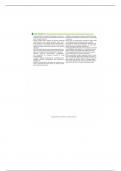
Page Title Content You Should Know
Outcome
The learner will have critical knowledge about anesthesia care to better assist the anesthesia provider in
Module delivering safe patient care.
Outcome
& Objectives
Objectives 1. Compare and contrast the various types of anesthesia care.
2. Discuss the perioperative RN’s role in assisting with anesthesia care before, during, and after surgery.
3. Identify complications that can arise from anesthetic administration.
Medical professionals who can provide anesthesia services are:
Anesthesiologists
Anesthesia
Certified registered nurse anesthetists (CRNAs)
Professionals
Anesthesiologist assistants (AAs)
The factors to consider before determining what anesthetic to use for a particular patient are:
Length and type of surgery
Choice of Patient and surgeon preferences
Anesthetic Patient’s co-existing diseases
Patient’s mental and psychological status
Patient’s physiological status
Plans and protocols for postoperative pain management
Position of the patient during surgery
The American Society of Anesthesiologist’s NPO Guidelines:
Clear liquids – stop 2 hours before surgery
Breast milk – stop 4 hours before surgery
Infant formula – stop 6 hours before surgery
NPO Status Light meal (toast and a clear liquid) – stop 6 hours before surgery
Fried foods, fatty foods, meat – stop 8 hours before surgery
Induction The perioperative nurse should be available to assist the anesthesia provider during induction of anesthesia.
, Note: While these are not the exact questions on the test, the questions are related to the concepts that are covered in the module.
Copyright © 2023 AORN, Inc. AORN’s training and educational materials are protected under federal copyright and trademark law.
Only registered students and administrators may use our materials. Any unauthorized use is prohibited.
3.2023
Page Title Content You Should Know
Outcome
The learner will have critical knowledge about anesthesia care to better assist the anesthesia provider in
Module delivering safe patient care.
Outcome
& Objectives
Objectives 1. Compare and contrast the various types of anesthesia care.
2. Discuss the perioperative RN’s role in assisting with anesthesia care before, during, and after surgery.
3. Identify complications that can arise from anesthetic administration.
Medical professionals who can provide anesthesia services are:
Anesthesiologists
Anesthesia
Certified registered nurse anesthetists (CRNAs)
Professionals
Anesthesiologist assistants (AAs)
The factors to consider before determining what anesthetic to use for a particular patient are:
Length and type of surgery
Choice of Patient and surgeon preferences
Anesthetic Patient’s co-existing diseases
Patient’s mental and psychological status
Patient’s physiological status
Plans and protocols for postoperative pain management
Position of the patient during surgery
The American Society of Anesthesiologist’s NPO Guidelines:
Clear liquids – stop 2 hours before surgery
Breast milk – stop 4 hours before surgery
Infant formula – stop 6 hours before surgery
NPO Status Light meal (toast and a clear liquid) – stop 6 hours before surgery
Fried foods, fatty foods, meat – stop 8 hours before surgery
Induction The perioperative nurse should be available to assist the anesthesia provider during induction of anesthesia.
, Note: While these are not the exact questions on the test, the questions are related to the concepts that are covered in the module.
Copyright © 2023 AORN, Inc. AORN’s training and educational materials are protected under federal copyright and trademark law.
Only registered students and administrators may use our materials. Any unauthorized use is prohibited.
3.2023