Stuvia.com - The Marketplace to Buy and Sell your Study
B B B B B B B B B
Material
written by HIGRADES B B
The Marketplace to Buy and Sell your Study Material
B B B B B B B B
At Stuvia, you will find the best notes, summaries, flashcards & other study material. Search for
B B B B B B B B B B B B B B B
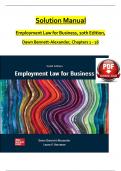
yourutionManual B B
EmploymentLawforBusiness,10thEdition,
B B B B B B
DawnBennett-Alexander,Chapters1-16
B B B B B
Downloaded by: Bookista |
B B B B Want to earn
B B
B$1.236
Distribution of this document is illegal
B B B B B
extra per year?
, Stuvia.com - The Marketplace to Buy and Sell your Study
B B B B B B B B B
Material
TABLE OF CONTENTS B B
Chapter 1 The Regulation of Employment
B B B B B
Chapter 2 The Employment Law Toolkit: Resources for Understanding the Law and
B B B B B B B B B B
Recurring Legal Concepts
B B B
Chapter 3 Title VII of the Civil Rights Act of 1964
B B B B B B B B B B
Chapter 4 Legal Construction of the Employment Environment Chapter 5
B B B B B B B B B
B Affirmative Action B
Chapter 6 Race and Color Discrimination
B B B B B
B Chapter 7 National Origin Discrimination
B B B B
B Chapter 8 Gender Discrimination Chapter 9
B B B B
B Sexual Harassment
B
Chapter 10 Sexual Orientation and Gender Identity Discrimination Chapter 11
B B B B B B B B B
Religious Discrimination
B B
Chapter 12 Age Discrimination Chapter 13
B B B B B
B Disability Discrimination
B
Chapter 14 The Employee’s Right to Privacy and Management of Personal
B B B B B B B B B B
Information
B
Chapter 15 Labor Law 857
B B B B
Chapter 16 Selected Employment Benefits and Protections
B B B B B B
Chapter 1 B
Downloaded by: Bookista |
B B B B Want to earn
B B
B$1.236
Distribution of this document is illegal
B B B B B
extra per year?
, Stuvia.com - The Marketplace to Buy and Sell your Study
B B B B B B B B B
Material
The Regulation of EmploymentB B B
Chapter Objective B
The student is introduced to the regulatory environment of the employment relationship.
B B B B B B B B B B B
The chapter examines whether regulation is actually necessary or beneficial or if,
B B B B B B B B B B B
perhaps, the relationship would fare better with less governmental intervention. The
B B B B B B B B B B
concepts of ―freedom‖ to contract in the regulatory employment environment and non-
B B B B B B B B B B B
compete agreements are discussed. Since the regulations and case law discussed in this
B B B B B B B B B B B B
text rely on an individual‘s classification as anemployer or an employee, those
B B B B B B B B B B B B
definitions are delineated and explored.
B B B B B
Learning Objectives B
(Click on the icon following the learning objective to be linked to the location in
B B B B B B B B B B B B B B
the outlinewhere the chapter
B B addresses that particular objective.) B B B B B
At the conclusion of this chapter, the students should be able to:
B B B B B B B B B B B
1. Describe the balance between the freedom to contract and the current
B B B B B B B B B B
regulatory environment for employment.
B B B B
2. Identify who is subject to which employment laws and understand the implication of
B B B B B B B B B B B B
eachof these laws for both the employer and employee.
B B B B B B B B B
3. Delineate the risks to the employer caused by employee misclassification.
B B B B B B B B B B
4. Explain the difference between and employee and an independent contractor and
B B B B B B B B B B
the teststhat help us in that determination.
B B B B B B B B
5. Articulate the various ways in which the concept ―employer‖ is defined by the
B B B B B B B B B B B B
various employment-related regulations.
B B B
6. Describe the permissible parameters of non-compete agreements.
B B B B B B B
Detailed Chapter OutlineB B
Scenarios—Points for Discussion B B
Downloaded by: Bookista | B B B B Want to earn
B B
B$1.236
Distribution of this document is illegal B B B B B
extra per year?
, Stuvia.com - The Marketplace to Buy and Sell your Study B B B B B B B B B
Material
Scenario One: This scenario offers an opportunity to review the distinctions between an
B B B B B B B B B B B B
employee and an independent contractor discussed in the chapter (see ―The Definition of
B B B B B B B B B B B B B
Employee,‖ particularly Exhibits 1.3–1.5). Discuss the IRS 20-factor analysis, as it
B B B B B B B B B B B
applies to Dalia‘s position. In light of the low level of control that Dalia had over her
B B B B B B B B B B B B B B B
Bfees and her work process, and the limits upon her choice of clients, students should
B B B B B B B B B B B B B B
Bcome to the conclusion that Dalia is an employee (therefore, eligible to file an
B B B B B B B B B B B B
Bunemployment claim), rather than an independent contractor. B B B B B
Scenario Two: Soraya would not have a cause of action that would be recognized by
B B B B B B B B B B B B B B
Bthe EEOC. Review the section ―The Definition of ‗Employer‘‖ with students, and
B B B B B B B B B B
Bdiscuss the rationale that determines the status of a supervisor vis-à-vis anti-
B B B B B B B B B B
discrimination legislation. Because Soraya is Soraya‘s supervisor, not her employer, B B B B B B B B
Bhe cannot be the target of an EEOC claim of sexual
B harassment. B B B B B B B B B
CCC, Soraya‘s employer, would be vulnerable to an EEOC claim if the company lacked or
B B B B B B B B B B B B B B
Bfailedto follow a system for employee redress of discrimination grievances. However, in B B B B B B B B B B
Bthis case, CCC B appears to have a viable anti-discrimination policy
B B B B B B B
Bthat it adhered to diligently; consequently, Soraya would be unlikely to win a
B B B B B B B B B B B
Bdecision in her favor. The court in Williams v. Banning (1995) offered the
B B B B B B B B B B B B
following rationale for its decision in a similar case: B B B B B B B B
―She has an employer who was sensitive and responsive to her complaint. She can
B B B B B B B B B B B B B
take comfort in the knowledge that she continues to work for this company, while
B B B B B B B B B B B B B B
her harasser
B does not and that the company's prompt action is
B B B B B B B B B
likely to discourage other would be harassers. This is precisely the result Title
B B B B B B B B B B B B
VII was meant to achieve.‖
B B B B B
Scenario Three: Students should discuss whether or not Mya non-compete agreement is likely
B B B B B B B B B B B B
Btobe found reasonable by a court, and elaborate the aspects of the agreement that B B B B B B B B B B B B
BMya might contest as unreasonable (see section below, ―Covenants Not to Compete‖).
B B B B B B B B B B
Does Mya have a persuasive argument that the terms of her non-compete agreement
B B B B B B B B B B B
B are unreasonable in scope or duration?
B B B B B
Might she have grounds to claim that the agreement prohibits her from making a living?
B B B B B B B B B B B B B B
Given the diversity of state laws regulating non-compete agreements, discuss the range of
B B B B B B B B B B B B
Blegal restrictions that might apply to Mya‘s particular agreement with her employer. As B B B B B B B B B B B
Ban employeewho works across several states, Mya‘s defense may depend upon the
B B B B B B B B B B
Bpresence—and specific language—of a forum selection clause in her non-compete B B B B B B B B
Bagreement. Consider what languagewould be more likely to provide Nan with a strong B B B B B B B B B B B B
Bdefense against the breach of contract claim. B B B B B B
Mya might also argue that the company‘s client list is available through public means,
B B B B B B B B B B B B B
Band therefore, her access to this list should not be prohibited. B B B B B B B B B
General Lecture Note for Employment Law Course B B B B B B
In order to teach this course, instructors have found that students must be made to feel
B B B B B B B B B B B B B B B
Brelatively comfortable with their peers. Instructors will be asking the students to be B B B B B B B B B B B
Bhonest and to stay in their truth, even at times when they feel that their opinion
B B B B B B B B B B B B B B
Bon one of these matters will not be
B B B B B B B
Downloaded by: Bookista | B B B B Want to earn
B B
$1.236
B
Distribution of this document is illegal B B B B B
extra per year?
B B B B B B B B B
Material
written by HIGRADES B B
The Marketplace to Buy and Sell your Study Material
B B B B B B B B
At Stuvia, you will find the best notes, summaries, flashcards & other study material. Search for
B B B B B B B B B B B B B B B
yourutionManual B B
EmploymentLawforBusiness,10thEdition,
B B B B B B
DawnBennett-Alexander,Chapters1-16
B B B B B
Downloaded by: Bookista |
B B B B Want to earn
B B
B$1.236
Distribution of this document is illegal
B B B B B
extra per year?
, Stuvia.com - The Marketplace to Buy and Sell your Study
B B B B B B B B B
Material
TABLE OF CONTENTS B B
Chapter 1 The Regulation of Employment
B B B B B
Chapter 2 The Employment Law Toolkit: Resources for Understanding the Law and
B B B B B B B B B B
Recurring Legal Concepts
B B B
Chapter 3 Title VII of the Civil Rights Act of 1964
B B B B B B B B B B
Chapter 4 Legal Construction of the Employment Environment Chapter 5
B B B B B B B B B
B Affirmative Action B
Chapter 6 Race and Color Discrimination
B B B B B
B Chapter 7 National Origin Discrimination
B B B B
B Chapter 8 Gender Discrimination Chapter 9
B B B B
B Sexual Harassment
B
Chapter 10 Sexual Orientation and Gender Identity Discrimination Chapter 11
B B B B B B B B B
Religious Discrimination
B B
Chapter 12 Age Discrimination Chapter 13
B B B B B
B Disability Discrimination
B
Chapter 14 The Employee’s Right to Privacy and Management of Personal
B B B B B B B B B B
Information
B
Chapter 15 Labor Law 857
B B B B
Chapter 16 Selected Employment Benefits and Protections
B B B B B B
Chapter 1 B
Downloaded by: Bookista |
B B B B Want to earn
B B
B$1.236
Distribution of this document is illegal
B B B B B
extra per year?
, Stuvia.com - The Marketplace to Buy and Sell your Study
B B B B B B B B B
Material
The Regulation of EmploymentB B B
Chapter Objective B
The student is introduced to the regulatory environment of the employment relationship.
B B B B B B B B B B B
The chapter examines whether regulation is actually necessary or beneficial or if,
B B B B B B B B B B B
perhaps, the relationship would fare better with less governmental intervention. The
B B B B B B B B B B
concepts of ―freedom‖ to contract in the regulatory employment environment and non-
B B B B B B B B B B B
compete agreements are discussed. Since the regulations and case law discussed in this
B B B B B B B B B B B B
text rely on an individual‘s classification as anemployer or an employee, those
B B B B B B B B B B B B
definitions are delineated and explored.
B B B B B
Learning Objectives B
(Click on the icon following the learning objective to be linked to the location in
B B B B B B B B B B B B B B
the outlinewhere the chapter
B B addresses that particular objective.) B B B B B
At the conclusion of this chapter, the students should be able to:
B B B B B B B B B B B
1. Describe the balance between the freedom to contract and the current
B B B B B B B B B B
regulatory environment for employment.
B B B B
2. Identify who is subject to which employment laws and understand the implication of
B B B B B B B B B B B B
eachof these laws for both the employer and employee.
B B B B B B B B B
3. Delineate the risks to the employer caused by employee misclassification.
B B B B B B B B B B
4. Explain the difference between and employee and an independent contractor and
B B B B B B B B B B
the teststhat help us in that determination.
B B B B B B B B
5. Articulate the various ways in which the concept ―employer‖ is defined by the
B B B B B B B B B B B B
various employment-related regulations.
B B B
6. Describe the permissible parameters of non-compete agreements.
B B B B B B B
Detailed Chapter OutlineB B
Scenarios—Points for Discussion B B
Downloaded by: Bookista | B B B B Want to earn
B B
B$1.236
Distribution of this document is illegal B B B B B
extra per year?
, Stuvia.com - The Marketplace to Buy and Sell your Study B B B B B B B B B
Material
Scenario One: This scenario offers an opportunity to review the distinctions between an
B B B B B B B B B B B B
employee and an independent contractor discussed in the chapter (see ―The Definition of
B B B B B B B B B B B B B
Employee,‖ particularly Exhibits 1.3–1.5). Discuss the IRS 20-factor analysis, as it
B B B B B B B B B B B
applies to Dalia‘s position. In light of the low level of control that Dalia had over her
B B B B B B B B B B B B B B B
Bfees and her work process, and the limits upon her choice of clients, students should
B B B B B B B B B B B B B B
Bcome to the conclusion that Dalia is an employee (therefore, eligible to file an
B B B B B B B B B B B B
Bunemployment claim), rather than an independent contractor. B B B B B
Scenario Two: Soraya would not have a cause of action that would be recognized by
B B B B B B B B B B B B B B
Bthe EEOC. Review the section ―The Definition of ‗Employer‘‖ with students, and
B B B B B B B B B B
Bdiscuss the rationale that determines the status of a supervisor vis-à-vis anti-
B B B B B B B B B B
discrimination legislation. Because Soraya is Soraya‘s supervisor, not her employer, B B B B B B B B
Bhe cannot be the target of an EEOC claim of sexual
B harassment. B B B B B B B B B
CCC, Soraya‘s employer, would be vulnerable to an EEOC claim if the company lacked or
B B B B B B B B B B B B B B
Bfailedto follow a system for employee redress of discrimination grievances. However, in B B B B B B B B B B
Bthis case, CCC B appears to have a viable anti-discrimination policy
B B B B B B B
Bthat it adhered to diligently; consequently, Soraya would be unlikely to win a
B B B B B B B B B B B
Bdecision in her favor. The court in Williams v. Banning (1995) offered the
B B B B B B B B B B B B
following rationale for its decision in a similar case: B B B B B B B B
―She has an employer who was sensitive and responsive to her complaint. She can
B B B B B B B B B B B B B
take comfort in the knowledge that she continues to work for this company, while
B B B B B B B B B B B B B B
her harasser
B does not and that the company's prompt action is
B B B B B B B B B
likely to discourage other would be harassers. This is precisely the result Title
B B B B B B B B B B B B
VII was meant to achieve.‖
B B B B B
Scenario Three: Students should discuss whether or not Mya non-compete agreement is likely
B B B B B B B B B B B B
Btobe found reasonable by a court, and elaborate the aspects of the agreement that B B B B B B B B B B B B
BMya might contest as unreasonable (see section below, ―Covenants Not to Compete‖).
B B B B B B B B B B
Does Mya have a persuasive argument that the terms of her non-compete agreement
B B B B B B B B B B B
B are unreasonable in scope or duration?
B B B B B
Might she have grounds to claim that the agreement prohibits her from making a living?
B B B B B B B B B B B B B B
Given the diversity of state laws regulating non-compete agreements, discuss the range of
B B B B B B B B B B B B
Blegal restrictions that might apply to Mya‘s particular agreement with her employer. As B B B B B B B B B B B
Ban employeewho works across several states, Mya‘s defense may depend upon the
B B B B B B B B B B
Bpresence—and specific language—of a forum selection clause in her non-compete B B B B B B B B
Bagreement. Consider what languagewould be more likely to provide Nan with a strong B B B B B B B B B B B B
Bdefense against the breach of contract claim. B B B B B B
Mya might also argue that the company‘s client list is available through public means,
B B B B B B B B B B B B B
Band therefore, her access to this list should not be prohibited. B B B B B B B B B
General Lecture Note for Employment Law Course B B B B B B
In order to teach this course, instructors have found that students must be made to feel
B B B B B B B B B B B B B B B
Brelatively comfortable with their peers. Instructors will be asking the students to be B B B B B B B B B B B
Bhonest and to stay in their truth, even at times when they feel that their opinion
B B B B B B B B B B B B B B
Bon one of these matters will not be
B B B B B B B
Downloaded by: Bookista | B B B B Want to earn
B B
$1.236
B
Distribution of this document is illegal B B B B B
extra per year?