Week 1
Chapter 1 Mental Health and Mental Illness
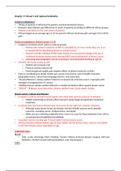
DSM-5: Gives each mental disorder criteria for a definable diagnosis.
Diathesis-stress model:
Definition: The Diathesis Stress Model is a psychological theory as the result of an interaction
between a pre-dispositional vulnerability (genetics or biologics) which is the diathesis, and
a stress (environment) caused by life experiences, etc. It is the most widely accepted theory for
the factors which influence mental health and wellbeing. Social and economic circumstances
also influence mental health and wellbeing. The nurse should assess environmental factors,
which include culture.
Mental Health Parity Act was passed in 1996. This legislation required insurers that provide
mental health coverage to offer annual and lifetime benefits at the same level provided for
medical/surgical coverage. Parity means equivalence or equal treatment.
Chapter 4 Treatment Settings
Concepts of the Therapeutic Milieu:
Recognizes that the staff, client, setting, structure, and the emotional climate are important to
healing. A therapeutic milieu should offer the client a sense of security and promote healing.
Both staff and clients establish behavioral limits, so all members of the team participate in the
plan of care. Additionally, the therapeutic milieu should offer the client a sense of security.
Therefore, if the client demonstrates distress or anxiety about visitors, the nurse should advocate
for the client and explain that they have a right to refuse visitors.
,Prevention Strategies:
Primary, secondary, and tertiary prevention refer to treatment based on a public health model
provided by the nurse. Tertiary prevention treats the disease intending to prevent worsening of
symptoms or worsening of a disease, such as depression. Tertiary prevention would focus on
preventing suicide, or loss of employment, and disruption to the family process. Tertiary
prevention also includes crisis screening/care and treatment. Secondary prevention interventions
include identifying problems early, screening, and prompt, effective treatment is the goal of
secondary prevention. The goal of primary prevention is to prevent or delay the onset of
symptoms in predisposed clients.
Clinical Pathways:
Clinical pathways provide standardization in treatment for inpatient treatment.
Client Safety: A safe environment is the number one priority for clients in the ER and when they
are admitted for inpatient treatment. A client with suicidal ideation is at risk for self-injury, so
any objects in the room that could be used for self-injury will need to be removed. Wrist
restraints are a last resort intervention and would require a provider's order. Nurses should
always implement the least restrictive method and restraints are a last resort.
Chapter 6 Legal and Ethical Considerations
Legal and Ethical Implications:
, Battery is defined as striking or touching a client inappropriately without consent from the client.
Assault is an intentional threat toward another person or making the person feel threatened by
unwelcomed contact.
False imprisonment is when a client is confined to a limited area or within a facility.
Seclusion, isolation or, restraint are methods that can be used when a client is a danger to
themselves or others. Always use the least restrictive method for client safety. The Joint
Commission (formerly the Joint Commission on Accreditation of Healthcare Organizations
[JCAHO]) requires that an in-person evaluation by a physician or other licensed independent
practitioner be conducted within 1 hour of the initiation of restraint or seclusion.
Principles included in the professional nursing code of ethics are advocacy, responsibility,
accountability, and confidentiality. Nurses act to help others, avoid harming others, and promote
fairness and trust. Nurses can violate the Health Insurance Portability and Accountability Act
(HIPAA) by revealing that a client had been admitted to the psychiatric unit when providing any
information without proper consent from the client.
Client Rights:
Right to privacy and confidentiality-patient records should only be shared with those involved in
the care of the mental health client.
Right to refuse treatment and medications (see informed consent)
Right to a written treatment plan
Informed Consent:
When a client signs an informed consent for a procedure, it is the provider's responsibility to
explain the procedure, alternatives to the procedure, who will be performing the procedure, and
the risks and benefits of the procedure. The nurse should ensure the client has not received any
medications that would alter their ability to make an informed decision (the client is not
impaired). In most cases, clients with mental illness can make informed decisions about their
care provided they are deemed competent to do so.
Healthcare professionals can override treatment refusal when a client is actively suicidal or
homicidal. A suicidal or homicidal client who refuses treatment may be in danger or a danger to
others. This situation should be treated as an emergency, and treatment may be performed
without informed consent.
Voluntary vs Involuntary Commitment:
Involuntary admissions are commonly reserved for those people who are suicidal, homicidal, or
extremely disabled and in need of acute care.
Chapter 7 The Nursing Process and Standards of Care
Chapter 1 Mental Health and Mental Illness
DSM-5: Gives each mental disorder criteria for a definable diagnosis.
Diathesis-stress model:
Definition: The Diathesis Stress Model is a psychological theory as the result of an interaction
between a pre-dispositional vulnerability (genetics or biologics) which is the diathesis, and
a stress (environment) caused by life experiences, etc. It is the most widely accepted theory for
the factors which influence mental health and wellbeing. Social and economic circumstances
also influence mental health and wellbeing. The nurse should assess environmental factors,
which include culture.
Mental Health Parity Act was passed in 1996. This legislation required insurers that provide
mental health coverage to offer annual and lifetime benefits at the same level provided for
medical/surgical coverage. Parity means equivalence or equal treatment.
Chapter 4 Treatment Settings
Concepts of the Therapeutic Milieu:
Recognizes that the staff, client, setting, structure, and the emotional climate are important to
healing. A therapeutic milieu should offer the client a sense of security and promote healing.
Both staff and clients establish behavioral limits, so all members of the team participate in the
plan of care. Additionally, the therapeutic milieu should offer the client a sense of security.
Therefore, if the client demonstrates distress or anxiety about visitors, the nurse should advocate
for the client and explain that they have a right to refuse visitors.
,Prevention Strategies:
Primary, secondary, and tertiary prevention refer to treatment based on a public health model
provided by the nurse. Tertiary prevention treats the disease intending to prevent worsening of
symptoms or worsening of a disease, such as depression. Tertiary prevention would focus on
preventing suicide, or loss of employment, and disruption to the family process. Tertiary
prevention also includes crisis screening/care and treatment. Secondary prevention interventions
include identifying problems early, screening, and prompt, effective treatment is the goal of
secondary prevention. The goal of primary prevention is to prevent or delay the onset of
symptoms in predisposed clients.
Clinical Pathways:
Clinical pathways provide standardization in treatment for inpatient treatment.
Client Safety: A safe environment is the number one priority for clients in the ER and when they
are admitted for inpatient treatment. A client with suicidal ideation is at risk for self-injury, so
any objects in the room that could be used for self-injury will need to be removed. Wrist
restraints are a last resort intervention and would require a provider's order. Nurses should
always implement the least restrictive method and restraints are a last resort.
Chapter 6 Legal and Ethical Considerations
Legal and Ethical Implications:
, Battery is defined as striking or touching a client inappropriately without consent from the client.
Assault is an intentional threat toward another person or making the person feel threatened by
unwelcomed contact.
False imprisonment is when a client is confined to a limited area or within a facility.
Seclusion, isolation or, restraint are methods that can be used when a client is a danger to
themselves or others. Always use the least restrictive method for client safety. The Joint
Commission (formerly the Joint Commission on Accreditation of Healthcare Organizations
[JCAHO]) requires that an in-person evaluation by a physician or other licensed independent
practitioner be conducted within 1 hour of the initiation of restraint or seclusion.
Principles included in the professional nursing code of ethics are advocacy, responsibility,
accountability, and confidentiality. Nurses act to help others, avoid harming others, and promote
fairness and trust. Nurses can violate the Health Insurance Portability and Accountability Act
(HIPAA) by revealing that a client had been admitted to the psychiatric unit when providing any
information without proper consent from the client.
Client Rights:
Right to privacy and confidentiality-patient records should only be shared with those involved in
the care of the mental health client.
Right to refuse treatment and medications (see informed consent)
Right to a written treatment plan
Informed Consent:
When a client signs an informed consent for a procedure, it is the provider's responsibility to
explain the procedure, alternatives to the procedure, who will be performing the procedure, and
the risks and benefits of the procedure. The nurse should ensure the client has not received any
medications that would alter their ability to make an informed decision (the client is not
impaired). In most cases, clients with mental illness can make informed decisions about their
care provided they are deemed competent to do so.
Healthcare professionals can override treatment refusal when a client is actively suicidal or
homicidal. A suicidal or homicidal client who refuses treatment may be in danger or a danger to
others. This situation should be treated as an emergency, and treatment may be performed
without informed consent.
Voluntary vs Involuntary Commitment:
Involuntary admissions are commonly reserved for those people who are suicidal, homicidal, or
extremely disabled and in need of acute care.
Chapter 7 The Nursing Process and Standards of Care