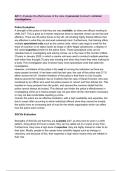
Sources Of Finance
Tuesday, 16 January 2024 10:06
Role Of Credit:
Start-up costs - In order to start up a business often large amount of capital is
needed therefor often entrepreneurs do not have the required capital to start a new
business and therefor require credit to create a new business.
Day to day - A business may need additional finance from a bank in order to pay the
day to day bills during times of cash flow problems. Furthermore businesses may
need capital during external shocks such as a rise in energy prices.
Expansion - Often firms will want to expand in order to make more profit, therefor
they may require additional finance in order to pay for the expansion.
Sources Of Finance:
Internal Sources:
Owner's Capital - this is the money that the owner has access to which can be put into
the business, this may include friends and family too. One advantage of this is does
not have to be repaid or with interest, however there are some disadvantages such as
opportunity cost this money cannot be put elsewhere and that the business may fail
and therefor the owner will lose their capital.
Retained Profit - this is when a firm uses the money that they have left after all of
their costs and reinvest this into the business. Retained profit is advantageous as it
does not have to be repaid and has zero interest. However opportunity cost.
Sale Of Assets - this is when a firm sells valuable items such as land, vehicles and
buildings in order to raise money. Sale of assets is a good way to raise capital as it
does not have to be repaid and has zero interest. However may ne disadvantageous
as these assets may be useful in the future which the firm now no longer has access
too.
External Sources:
Trade Credit - is an arrangement to pay for a good or service at a later date, usually
30-60 days. Advantageous as there is no interest on the loan, however is a short term
Tuesday, 16 January 2024 10:06
Role Of Credit:
Start-up costs - In order to start up a business often large amount of capital is
needed therefor often entrepreneurs do not have the required capital to start a new
business and therefor require credit to create a new business.
Day to day - A business may need additional finance from a bank in order to pay the
day to day bills during times of cash flow problems. Furthermore businesses may
need capital during external shocks such as a rise in energy prices.
Expansion - Often firms will want to expand in order to make more profit, therefor
they may require additional finance in order to pay for the expansion.
Sources Of Finance:
Internal Sources:
Owner's Capital - this is the money that the owner has access to which can be put into
the business, this may include friends and family too. One advantage of this is does
not have to be repaid or with interest, however there are some disadvantages such as
opportunity cost this money cannot be put elsewhere and that the business may fail
and therefor the owner will lose their capital.
Retained Profit - this is when a firm uses the money that they have left after all of
their costs and reinvest this into the business. Retained profit is advantageous as it
does not have to be repaid and has zero interest. However opportunity cost.
Sale Of Assets - this is when a firm sells valuable items such as land, vehicles and
buildings in order to raise money. Sale of assets is a good way to raise capital as it
does not have to be repaid and has zero interest. However may ne disadvantageous
as these assets may be useful in the future which the firm now no longer has access
too.
External Sources:
Trade Credit - is an arrangement to pay for a good or service at a later date, usually
30-60 days. Advantageous as there is no interest on the loan, however is a short term