Introduction & Motivation
Literature Part I
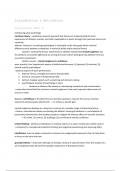
introducing sport psychology
narrative inquiry = qualitative research approach that focuses on understanding the lived
experiences of athletes, coaches, and other stakeholders in sports through their personal stories and
narratives
athletes’ interest in consulting psychologists is noticeable at the elite grade where minimal
differences exist between competitors in technical ability and/or physical fitness
research: ‘peak performance’ experiences of athletes indicate that mental toughness and
the ability to concentrate effectively are among the factors which distinguish top athletes from less
successful counterparts
athletic success = mental toughness & confidence
sport scientist: four hypothetical aspects of athletic performance: (1) physical, (2) technical, (3)
tactical and (4) psychological
> physical aspects of sport performance:
1. physical: fitness, strength and stamina (measurable)
2. technical: execution of fundamental skills
3. tactical: strategic aspects such as planning and decision-making
4. psychological: paradox of psychology in sport
- temporary influence like anxiety or maintaining momentum and concentration
> researchers found that the construct: mental toughness is the most important determinant of
success in sport
Bandura: self-efficacy is the belief that one had the capacity to ‘execute the courses of action
required to produce given attainments’ → to achieve a specific goal
mental toughness develops as a long-term outcome of a complex range of interacting factors
> factors: motivational climate surrounding the athlete’s training & hardiness is a constellation of
personality characteristics that enables people to mitigate the adverse effects of stressful situations
> 4C model: (1) control, (2) challenge, (3) commitment and (4) confidence
critical thinking = ability and willingness to evaluate claims in an open-minded and careful manner
> components: motivational (analytical thinking) and cognitive (questioning and reasoning skills)
mindfulness: learn to adopt a moment-to-moment non-judgemental awareness that can help them
to focus on the here-and-now
grounded theory = researcher attempts to develop a theory of a phenomenon from the analysis of a
set of qualitative data derived from people’s experience of that phenomenon
, defining the practice of sport and performance psychology
> performance noun – discrete event where a performer showcases a specific set of developed
knowledge, skills, and abilities (KSAs)
> performance verb – process of carrying out a plan of action for the execution of knowledge, skills,
and abilities (KSAs) during a performance event
performance issues = prevent someone's performance from reaching their desired standard of
success
performance enhancement – helping a performer improve their capability to perform up to their
potential by helping them develop the mindset and mental/emotional skills to improve their KSAs or
to better execute their KSAs
performance restoration – helping a performer remove barriers to allow them to return to
performing at an already established level
Self-Determination Theory in sport and exercise
SDT – broad and empirically based meta-theory of human motivation, personality, and emotion that
addresses motivated behavior within and across life domains
> mini theories:
1. cognitive evaluation theory – addresses the effects that social contextual supports for
autonomy and competence play in fostering intrinsic motivation
2. organismic (integration) theory – focusses on the different qualities of extrinsically
motivated behaviors and how the social context supports or thwarts internalization along the
continuum of autonomy
3. causality orientations theory – is concerned with individual differences in people's
tendencies to orient themselves towards enviornments and regulate behavior in three
particulation ways – autonomy, impersonal and amotivated orientations
4. basic psychological needs theory – elaborates on the existence of the three innate and
universal basic psychological needs that require fulfillment to achieve optimal functional and
psychological health and wellness
5. goal contents theory – distinguish between intrinsic and extrinsic goals to explain their role
in satisfying and frustrating basic needs and the subsequent for psychological health and
well-being
6. relationships motivation theory – concerned with relatedness as the third basic need, yet
emphasizing the important role for supports for autonomy and competence for close
personal relationships to flourish and support health and wellness
> basic psychological needs: (1) autonomy: need to experience activities as self-endorsed and
purposefully enacted, (2) competence: need to interact effectively within the enviornement, and (3)
relatedness: need to feel close, connected, and cared for by important others
Literature Part I
introducing sport psychology
narrative inquiry = qualitative research approach that focuses on understanding the lived
experiences of athletes, coaches, and other stakeholders in sports through their personal stories and
narratives
athletes’ interest in consulting psychologists is noticeable at the elite grade where minimal
differences exist between competitors in technical ability and/or physical fitness
research: ‘peak performance’ experiences of athletes indicate that mental toughness and
the ability to concentrate effectively are among the factors which distinguish top athletes from less
successful counterparts
athletic success = mental toughness & confidence
sport scientist: four hypothetical aspects of athletic performance: (1) physical, (2) technical, (3)
tactical and (4) psychological
> physical aspects of sport performance:
1. physical: fitness, strength and stamina (measurable)
2. technical: execution of fundamental skills
3. tactical: strategic aspects such as planning and decision-making
4. psychological: paradox of psychology in sport
- temporary influence like anxiety or maintaining momentum and concentration
> researchers found that the construct: mental toughness is the most important determinant of
success in sport
Bandura: self-efficacy is the belief that one had the capacity to ‘execute the courses of action
required to produce given attainments’ → to achieve a specific goal
mental toughness develops as a long-term outcome of a complex range of interacting factors
> factors: motivational climate surrounding the athlete’s training & hardiness is a constellation of
personality characteristics that enables people to mitigate the adverse effects of stressful situations
> 4C model: (1) control, (2) challenge, (3) commitment and (4) confidence
critical thinking = ability and willingness to evaluate claims in an open-minded and careful manner
> components: motivational (analytical thinking) and cognitive (questioning and reasoning skills)
mindfulness: learn to adopt a moment-to-moment non-judgemental awareness that can help them
to focus on the here-and-now
grounded theory = researcher attempts to develop a theory of a phenomenon from the analysis of a
set of qualitative data derived from people’s experience of that phenomenon
, defining the practice of sport and performance psychology
> performance noun – discrete event where a performer showcases a specific set of developed
knowledge, skills, and abilities (KSAs)
> performance verb – process of carrying out a plan of action for the execution of knowledge, skills,
and abilities (KSAs) during a performance event
performance issues = prevent someone's performance from reaching their desired standard of
success
performance enhancement – helping a performer improve their capability to perform up to their
potential by helping them develop the mindset and mental/emotional skills to improve their KSAs or
to better execute their KSAs
performance restoration – helping a performer remove barriers to allow them to return to
performing at an already established level
Self-Determination Theory in sport and exercise
SDT – broad and empirically based meta-theory of human motivation, personality, and emotion that
addresses motivated behavior within and across life domains
> mini theories:
1. cognitive evaluation theory – addresses the effects that social contextual supports for
autonomy and competence play in fostering intrinsic motivation
2. organismic (integration) theory – focusses on the different qualities of extrinsically
motivated behaviors and how the social context supports or thwarts internalization along the
continuum of autonomy
3. causality orientations theory – is concerned with individual differences in people's
tendencies to orient themselves towards enviornments and regulate behavior in three
particulation ways – autonomy, impersonal and amotivated orientations
4. basic psychological needs theory – elaborates on the existence of the three innate and
universal basic psychological needs that require fulfillment to achieve optimal functional and
psychological health and wellness
5. goal contents theory – distinguish between intrinsic and extrinsic goals to explain their role
in satisfying and frustrating basic needs and the subsequent for psychological health and
well-being
6. relationships motivation theory – concerned with relatedness as the third basic need, yet
emphasizing the important role for supports for autonomy and competence for close
personal relationships to flourish and support health and wellness
> basic psychological needs: (1) autonomy: need to experience activities as self-endorsed and
purposefully enacted, (2) competence: need to interact effectively within the enviornement, and (3)
relatedness: need to feel close, connected, and cared for by important others