Peripheral Vascular
>
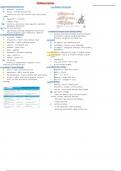
- skin anatomy and function > pressure injuriy sites
• epidermis - protection
• dermis - strength and elasticity
- connective tissue with nervous tissue, blood, blood
vessels
• hypodermis - insulation
- adipose tissue
↳• functions - protection, temp regulation, sensation,
absorption, elimination
↳ risks for skin alteration
• age, lifestyle, piercings, dehydration/malnutrition, - negative pressure wound therapy (NPWT)
reduced sensation, casts, medication, radiation
>
-
integumentary assessment • removes infectious materials, protected healing
environment, reduces exudate and edema,
• erythema - redness promotes cell growth and blood flow
• ecchymosis - blood in subcutaneous tissue - burns
• petechiae - capillary bleeding (spots) • 1st degree - red, nonblistered skin
• cyanosis - blue/grayish color • 2nd degree - blisters, some thickening
• jaundice - yellow color • 3rd degree - widespread thickness, white leathery
• pallor - paleness appearance
• diaphoresis - excessive sweating >
- dehiscence - seperation of layers of surgical wound
• tugor - elasticity >
- evisceration - viscera or intestine through surgical
• edema - excess fluid wound
• risk factors ↳ • emergencies
- history of rashes/lesions, exposure to sun/ • stay with patient, call for help
chemicals, piercings/tattoos • do not reinsert organs
>
- exudates - wound drainage >
- melanomas - ABCDE
• serous - clear, watery serous fluid • asymmetry - sides don't match
• sanguineous - RBCs, looks like blood • border - uneven
• serosanguineous - serum and RBCs, light pink/bloody • color - 2 or more
• purulent - WBCs, dead tissue, dead/live bacteria, • diameter - larger than 6mm
thick, foul odor and can be yellow/green • evolution - changes in traits
drainage S skin lesions
• primary - occurs in healthy skin
• secondary - change in primary lesion
• vascular - blood vessel damage, age changes
•↳ age related changes
- SBQT and dermal tissue thin (more easily
injuired, wrinkles, sensation reduced)
- becomes dryer, healing time delayed
- looses elasticity
• nursing strategies
- avoid taping skin, check frequently
- pad bony prominences, apply moisturizers
>
- skin anatomy and function > pressure injuriy sites
• epidermis - protection
• dermis - strength and elasticity
- connective tissue with nervous tissue, blood, blood
vessels
• hypodermis - insulation
- adipose tissue
↳• functions - protection, temp regulation, sensation,
absorption, elimination
↳ risks for skin alteration
• age, lifestyle, piercings, dehydration/malnutrition, - negative pressure wound therapy (NPWT)
reduced sensation, casts, medication, radiation
>
-
integumentary assessment • removes infectious materials, protected healing
environment, reduces exudate and edema,
• erythema - redness promotes cell growth and blood flow
• ecchymosis - blood in subcutaneous tissue - burns
• petechiae - capillary bleeding (spots) • 1st degree - red, nonblistered skin
• cyanosis - blue/grayish color • 2nd degree - blisters, some thickening
• jaundice - yellow color • 3rd degree - widespread thickness, white leathery
• pallor - paleness appearance
• diaphoresis - excessive sweating >
- dehiscence - seperation of layers of surgical wound
• tugor - elasticity >
- evisceration - viscera or intestine through surgical
• edema - excess fluid wound
• risk factors ↳ • emergencies
- history of rashes/lesions, exposure to sun/ • stay with patient, call for help
chemicals, piercings/tattoos • do not reinsert organs
>
- exudates - wound drainage >
- melanomas - ABCDE
• serous - clear, watery serous fluid • asymmetry - sides don't match
• sanguineous - RBCs, looks like blood • border - uneven
• serosanguineous - serum and RBCs, light pink/bloody • color - 2 or more
• purulent - WBCs, dead tissue, dead/live bacteria, • diameter - larger than 6mm
thick, foul odor and can be yellow/green • evolution - changes in traits
drainage S skin lesions
• primary - occurs in healthy skin
• secondary - change in primary lesion
• vascular - blood vessel damage, age changes
•↳ age related changes
- SBQT and dermal tissue thin (more easily
injuired, wrinkles, sensation reduced)
- becomes dryer, healing time delayed
- looses elasticity
• nursing strategies
- avoid taping skin, check frequently
- pad bony prominences, apply moisturizers