Thei concepts
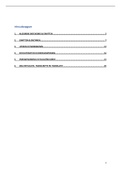
Relevant theories...................................................................... 3
Neofunctionalism.............................................................................3
Spillover.........................................................................................3
Liberal intergovernmentalism...........................................................3
Post functionalism...........................................................................4
Institutionalism...............................................................................4
Rational choice institutionalism (1)...................................................4
Historical institutionalism (2)...........................................................4
Sociological institutionalism (3)........................................................4
Governance approach......................................................................4
Multi level governance.....................................................................5
Concepts.................................................................................. 5
European integration (EI).................................................................5
Putnam’s two level game.................................................................5
Bargaining tactics............................................................................6
Intergovernmental vs supranational.................................................6
The diabolic triangle........................................................................7
Important distributions of power......................................................7
Legislation......................................................................................7
Economics................................................................................ 8
Integration......................................................................................8
Bretton Woods System:....................................................................8
Snake in tunnel...............................................................................8
Economic and Monetary Union (EMU)................................................8
Treaties.................................................................................. 10
Paris treaty...................................................................................10
European Coal and Steel community treaty (ECSC) (Partis treaties). .10
Pleven plan...................................................................................10
Treaties of Rome............................................................................11
Luxembourg compromise...............................................................12
Single European act.......................................................................12
, Maastricht treaty...........................................................................12
Treaty of Amsterdam......................................................................13
treaty of Nice................................................................................13
Constitutional treaty......................................................................13
Treaties of Lisbon..........................................................................14
Institutions............................................................................. 15
The European council (EC)..............................................................15
The European Commission (Ecom)..................................................15
The council of the European Union..................................................16
The European parliament...............................................................16
Court of justice of the European Union (CJEU)..................................17
European central bank..................................................................17
Council of Europe...........................................................................17
Tables....................................................................................18
, Relevant theories
Neofunctionalism
Focus
- Shares interest of states
- Non state actors in IR
So
- Functionalism: do away with nation states.
- Focusses on shared interests of states/non states
- Haas: key argument was limit the role of nation states in IR
- Neofunctionalism became the idea of the 50s and 60s
- Process is: self sustaining ( EI will lead to more EI), has unintentional
consequences and spillover plays an role
- Elites play an role. Due to sustained interaction, elite will shift loyalties to
EI. Cooperation will become the default
Spillover
- Important concept of
neofunctionalism
- One thing, automatically leads
to another
- Three types of spillover:
functional, political, cultural
- Functional: demand in one
sector causes demand in
another sector.
- Political: economic integration
leads to cooperation on political matters. Societal actors calling for
cooperation
- Cultural: economic policy will eventually lead to cultural integration.
Supranational actors pushing for cooperation
Liberal intergovernmentalism
- Preferences are formed on national level
- Governments rationally defend the interests of their own states
- European integration is not driven by spillover but by states
- Individual decisions matter
- Economic liberalism: Self interest cooperation is beneficial for all
participating countries
- 4 stages of liberal intergovernmentalism
- Stage 1: this is the formation of national preferences. Shaped by input
from different actors who put pressure on government
- stage 2: reaching a substantive bargain. There is an uneven distribution of
benefits of an agreement. You are dependent on others for survival.
Market power + exit power = political power
Relevant theories...................................................................... 3
Neofunctionalism.............................................................................3
Spillover.........................................................................................3
Liberal intergovernmentalism...........................................................3
Post functionalism...........................................................................4
Institutionalism...............................................................................4
Rational choice institutionalism (1)...................................................4
Historical institutionalism (2)...........................................................4
Sociological institutionalism (3)........................................................4
Governance approach......................................................................4
Multi level governance.....................................................................5
Concepts.................................................................................. 5
European integration (EI).................................................................5
Putnam’s two level game.................................................................5
Bargaining tactics............................................................................6
Intergovernmental vs supranational.................................................6
The diabolic triangle........................................................................7
Important distributions of power......................................................7
Legislation......................................................................................7
Economics................................................................................ 8
Integration......................................................................................8
Bretton Woods System:....................................................................8
Snake in tunnel...............................................................................8
Economic and Monetary Union (EMU)................................................8
Treaties.................................................................................. 10
Paris treaty...................................................................................10
European Coal and Steel community treaty (ECSC) (Partis treaties). .10
Pleven plan...................................................................................10
Treaties of Rome............................................................................11
Luxembourg compromise...............................................................12
Single European act.......................................................................12
, Maastricht treaty...........................................................................12
Treaty of Amsterdam......................................................................13
treaty of Nice................................................................................13
Constitutional treaty......................................................................13
Treaties of Lisbon..........................................................................14
Institutions............................................................................. 15
The European council (EC)..............................................................15
The European Commission (Ecom)..................................................15
The council of the European Union..................................................16
The European parliament...............................................................16
Court of justice of the European Union (CJEU)..................................17
European central bank..................................................................17
Council of Europe...........................................................................17
Tables....................................................................................18
, Relevant theories
Neofunctionalism
Focus
- Shares interest of states
- Non state actors in IR
So
- Functionalism: do away with nation states.
- Focusses on shared interests of states/non states
- Haas: key argument was limit the role of nation states in IR
- Neofunctionalism became the idea of the 50s and 60s
- Process is: self sustaining ( EI will lead to more EI), has unintentional
consequences and spillover plays an role
- Elites play an role. Due to sustained interaction, elite will shift loyalties to
EI. Cooperation will become the default
Spillover
- Important concept of
neofunctionalism
- One thing, automatically leads
to another
- Three types of spillover:
functional, political, cultural
- Functional: demand in one
sector causes demand in
another sector.
- Political: economic integration
leads to cooperation on political matters. Societal actors calling for
cooperation
- Cultural: economic policy will eventually lead to cultural integration.
Supranational actors pushing for cooperation
Liberal intergovernmentalism
- Preferences are formed on national level
- Governments rationally defend the interests of their own states
- European integration is not driven by spillover but by states
- Individual decisions matter
- Economic liberalism: Self interest cooperation is beneficial for all
participating countries
- 4 stages of liberal intergovernmentalism
- Stage 1: this is the formation of national preferences. Shaped by input
from different actors who put pressure on government
- stage 2: reaching a substantive bargain. There is an uneven distribution of
benefits of an agreement. You are dependent on others for survival.
Market power + exit power = political power