WGU C173 Study Guide
Questions with Verified Answers
Grade A+ Guarantee
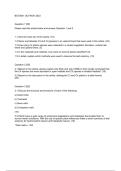
1. Objected-oriented design and analysis step: Describe object interactions.:
g g g g g g g
-
How will polymorphism and inheritance work?
g g g g g
2. Objected-
oriented design and analysis step: Indentify the most importantobj
g g g g g g g g
ects.: What problem needs to be solved?
g g g g g g
3. Objected-oriented design and analysis step: Describe the application.:
g g g g g g g
Howwill people use the application?
g g g g
4. Objected-
oriented design and analysis step: Gather requirements.: What arethe respon
g g g g g g g g g
sibilities of the different objects?
g g g g
5. Objected-oriented design and analysis step: Create a class diagram.:
g g g g g g g g
Whatideas should be focused on in the application?
g g g g g g g
1g/g4
, 6. What is an advantage of using programming libraries?: The save develop-
g g g g g g g g g g
g ment time. g
7. What is a programming language library?: A set of related modules; possibly pr
g g g g g g g g g g g g
ecompiled.
8. Which aspect of a programming language would not likely affect the execu-
g g g g g g g g g g g
g tion time (speed) of a program?: The compiler.
g g g g g g g
9. Which language is built on object-oriented design principles?: Java
g g g g g g g g
10. In which programming language is a constructor used?: Java
g g g g g g g g
11. When should a use case be written?: After gathering requirements.
g g g g g g g g g
12. What does UML provide?: A way to visually model computing applications.
g g g g g g g g g g
13. What is the correct rule regarding the number of elements a Python list m
g g g g g g g g g g g g g
ay contain?: It must be a sequence of zero or more elements.
g g g g g g g g g g g
14. What does a use case diagram do?: Provides an overview of several use ca
g g g g g g g g g g g g g
ses.
2g/g4
Questions with Verified Answers
Grade A+ Guarantee
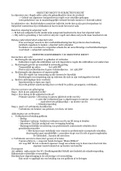
1. Objected-oriented design and analysis step: Describe object interactions.:
g g g g g g g
-
How will polymorphism and inheritance work?
g g g g g
2. Objected-
oriented design and analysis step: Indentify the most importantobj
g g g g g g g g
ects.: What problem needs to be solved?
g g g g g g
3. Objected-oriented design and analysis step: Describe the application.:
g g g g g g g
Howwill people use the application?
g g g g
4. Objected-
oriented design and analysis step: Gather requirements.: What arethe respon
g g g g g g g g g
sibilities of the different objects?
g g g g
5. Objected-oriented design and analysis step: Create a class diagram.:
g g g g g g g g
Whatideas should be focused on in the application?
g g g g g g g
1g/g4
, 6. What is an advantage of using programming libraries?: The save develop-
g g g g g g g g g g
g ment time. g
7. What is a programming language library?: A set of related modules; possibly pr
g g g g g g g g g g g g
ecompiled.
8. Which aspect of a programming language would not likely affect the execu-
g g g g g g g g g g g
g tion time (speed) of a program?: The compiler.
g g g g g g g
9. Which language is built on object-oriented design principles?: Java
g g g g g g g g
10. In which programming language is a constructor used?: Java
g g g g g g g g
11. When should a use case be written?: After gathering requirements.
g g g g g g g g g
12. What does UML provide?: A way to visually model computing applications.
g g g g g g g g g g
13. What is the correct rule regarding the number of elements a Python list m
g g g g g g g g g g g g g
ay contain?: It must be a sequence of zero or more elements.
g g g g g g g g g g g
14. What does a use case diagram do?: Provides an overview of several use ca
g g g g g g g g g g g g g
ses.
2g/g4