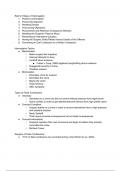
Reid’s 9 Steps of Interrogation
1. Positive Confrontation
2. Theme Development
3. Handling Denials
4. Overcoming Objections
5. Procurement and Retention of Suspect’s Attention
6. Handling the Suspect’s Passive Mood
7. Presenting an Alternative Question
8. Having the Suspect Orally Relate Various Details of the Offense
9. Converting an Oral Confession to a Written Confession
Interrogation Tactics
● Maximization
○ Make suspect feel hopeless
○ Interrupt attempts to deny
○ Lie/bluff about evidence
■ Frazier v Cupp (1969) legalized lying/bluffing about evidence
○ Exaggerate severity of crime
○ Threaten suspect
● Minimization
○ Downplay crime for suspect
○ Normalize the crime
○ Blame the victim
○ Imply leniency
○ Offer sympathy
Types of False Confessions
● Voluntary
○ Admission to a crime one did not commit without pressure from legal forces
○ Some confess in order to get attention/become famous from high profile cases
● Coerced-Compliant
○ Suspect admits to a crime in order to remove themselves from a high pressure
and stressful situation
○ Marty Tankleff
○ Think about proximal consequences but not distal consequences
● Coerced-Internalized
○ Suspects question their own innocence and begin to believe they actually
committed the crime.
○ Michael Crowe
Dangers of False Confessions
● ~81% of false confessors are convicted during a trial (Drizin & Leo, 2004)
1. Positive Confrontation
2. Theme Development
3. Handling Denials
4. Overcoming Objections
5. Procurement and Retention of Suspect’s Attention
6. Handling the Suspect’s Passive Mood
7. Presenting an Alternative Question
8. Having the Suspect Orally Relate Various Details of the Offense
9. Converting an Oral Confession to a Written Confession
Interrogation Tactics
● Maximization
○ Make suspect feel hopeless
○ Interrupt attempts to deny
○ Lie/bluff about evidence
■ Frazier v Cupp (1969) legalized lying/bluffing about evidence
○ Exaggerate severity of crime
○ Threaten suspect
● Minimization
○ Downplay crime for suspect
○ Normalize the crime
○ Blame the victim
○ Imply leniency
○ Offer sympathy
Types of False Confessions
● Voluntary
○ Admission to a crime one did not commit without pressure from legal forces
○ Some confess in order to get attention/become famous from high profile cases
● Coerced-Compliant
○ Suspect admits to a crime in order to remove themselves from a high pressure
and stressful situation
○ Marty Tankleff
○ Think about proximal consequences but not distal consequences
● Coerced-Internalized
○ Suspects question their own innocence and begin to believe they actually
committed the crime.
○ Michael Crowe
Dangers of False Confessions
● ~81% of false confessors are convicted during a trial (Drizin & Leo, 2004)