Problem 8 – Landy
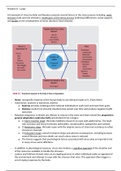
A framework of stress by Kahn and Byosiere presents several factors in the stress process including: work
stressors (task and role stressors), moderators of the stress process (individual differences, social support),
and strains or the consequences of stress (burnout, heart disease).
- Stress: nonspecific response of the human body to any demand made on it. (Hans Selye)
- Good stress: eustress vs bad stress: distress
o Eustress provides challenges that motivate individuals to work hard and meet their goals.
o Distress results from stressful situations that persist over time and produce negative health
outcomes.
- Response sequences to almost any disease or trauma is the same and Selye named this progression
general adaptation syndrome (GAS) and divided it into 3 stages:
o 1) Alarm reaction stage: the body mobilizes resources to cope with added stress. The heart
rate increases and stress hormones (adrenaline, noradrenaline, epinephrine and cortisol).
o 2) Resistance stage: the body copes with the original source of stress but resistance to other
stressors is lowered.
o 3) Exhaustion stage: overall resistance drops and adverse consequences, including burnout,
several illnesses and even death can result unless stress is reduced.
o The theory suggests that psychological factors associated with stress play an important role
in many of our worst afflictions.
- In addition to physiological response, stress also involves a cognitive appraisal of the situation and
of the resources available to handle the stressors.
- Lazarus and Folkman viewed stress as an ongoing process in which individuals make an appraisal of
the environment and attempt to cope with the stressors that arise. This appraisal often triggers a
set of coping responses by the body.
, - In some circumstances like exercise the process can be healthy. But when exposure to stress is
chronic or persistent, the body responds negatively.
- Individuals cope with stress in different ways:
o Problem focused coping: is directed at managing or altering the problem.
o Emotion focused coping: involves reducing the emotional response to the problem which
can mean avoiding, minimizing, and distancing oneself from the problem.
- Stressors: physical or psychological demands to which an individual respond.
- Strains: reactions or responses to these stressors.
CAUSES OF STRESS
Common stressors at work fall into 2 categories: physical/tasks stressors, such as noise, light, heat, cold
and psychological stressors which involve subtle and not-so-subtle factors.
- One type of stressor is not made less important by the presence of another stressor thus the effects
of multiple stressors can be cumulative.
- Physical/task stressors:
o Uncontrollable noise is particularly stressful and leads to lower task performance and
diminished motivation. Noise is not just associated with manufacturing environments.
o The demands of a given job (pace, of work, workload, the number of hours) can also
contribute. E.g. call center employees with heavier workload report more upper body and
lower back disorders.
- Psychological stressors:
o Lack of control/predictability: the individual’s perception of control or predictability
determines his response to the situation, and such perceptions are affected by
characteristics of the job and work environment.
The scheduling and pace of work can influence feelings of control. E.g. flexible time
schedules may enhance feelings of control.
Autonomy is also related: the extent to which employees can control how and when
they perform their tasks.
o Interpersonal conflict: negative interactions with co-workers, supervisors or clients. Can
occur when;
Resources at work are scarce
When employees have incompatible interests
When employees feel like they are not being treated fairly
Conflicts can distract workers from important tasks and it can have physical health
consequences.
Other negative work outcomes range from depression and job dissatisfaction to
aggression, theft, and sabotage.
o Role stressors: role ambiguity, role conflict and role overload are collectively referred as role
stressors. The concept is based on the idea that most jobs have multiple task requirements/
roles and a job will be stressful if roles conflict or if they are unclear.
Role ambiguity: occurs when employees lack clear knowledge of what behavior is
expected in their job. People experience uncertainty about which actions to take to
performs their job effectively.
A framework of stress by Kahn and Byosiere presents several factors in the stress process including: work
stressors (task and role stressors), moderators of the stress process (individual differences, social support),
and strains or the consequences of stress (burnout, heart disease).
- Stress: nonspecific response of the human body to any demand made on it. (Hans Selye)
- Good stress: eustress vs bad stress: distress
o Eustress provides challenges that motivate individuals to work hard and meet their goals.
o Distress results from stressful situations that persist over time and produce negative health
outcomes.
- Response sequences to almost any disease or trauma is the same and Selye named this progression
general adaptation syndrome (GAS) and divided it into 3 stages:
o 1) Alarm reaction stage: the body mobilizes resources to cope with added stress. The heart
rate increases and stress hormones (adrenaline, noradrenaline, epinephrine and cortisol).
o 2) Resistance stage: the body copes with the original source of stress but resistance to other
stressors is lowered.
o 3) Exhaustion stage: overall resistance drops and adverse consequences, including burnout,
several illnesses and even death can result unless stress is reduced.
o The theory suggests that psychological factors associated with stress play an important role
in many of our worst afflictions.
- In addition to physiological response, stress also involves a cognitive appraisal of the situation and
of the resources available to handle the stressors.
- Lazarus and Folkman viewed stress as an ongoing process in which individuals make an appraisal of
the environment and attempt to cope with the stressors that arise. This appraisal often triggers a
set of coping responses by the body.
, - In some circumstances like exercise the process can be healthy. But when exposure to stress is
chronic or persistent, the body responds negatively.
- Individuals cope with stress in different ways:
o Problem focused coping: is directed at managing or altering the problem.
o Emotion focused coping: involves reducing the emotional response to the problem which
can mean avoiding, minimizing, and distancing oneself from the problem.
- Stressors: physical or psychological demands to which an individual respond.
- Strains: reactions or responses to these stressors.
CAUSES OF STRESS
Common stressors at work fall into 2 categories: physical/tasks stressors, such as noise, light, heat, cold
and psychological stressors which involve subtle and not-so-subtle factors.
- One type of stressor is not made less important by the presence of another stressor thus the effects
of multiple stressors can be cumulative.
- Physical/task stressors:
o Uncontrollable noise is particularly stressful and leads to lower task performance and
diminished motivation. Noise is not just associated with manufacturing environments.
o The demands of a given job (pace, of work, workload, the number of hours) can also
contribute. E.g. call center employees with heavier workload report more upper body and
lower back disorders.
- Psychological stressors:
o Lack of control/predictability: the individual’s perception of control or predictability
determines his response to the situation, and such perceptions are affected by
characteristics of the job and work environment.
The scheduling and pace of work can influence feelings of control. E.g. flexible time
schedules may enhance feelings of control.
Autonomy is also related: the extent to which employees can control how and when
they perform their tasks.
o Interpersonal conflict: negative interactions with co-workers, supervisors or clients. Can
occur when;
Resources at work are scarce
When employees have incompatible interests
When employees feel like they are not being treated fairly
Conflicts can distract workers from important tasks and it can have physical health
consequences.
Other negative work outcomes range from depression and job dissatisfaction to
aggression, theft, and sabotage.
o Role stressors: role ambiguity, role conflict and role overload are collectively referred as role
stressors. The concept is based on the idea that most jobs have multiple task requirements/
roles and a job will be stressful if roles conflict or if they are unclear.
Role ambiguity: occurs when employees lack clear knowledge of what behavior is
expected in their job. People experience uncertainty about which actions to take to
performs their job effectively.