Epidemiology and Public Health
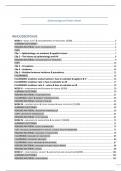
INHOUDSOPGAVE
WEEK I – WHAT IS EPI? & MEASUREMENTS OF FREQUENCY (2/09) .................................................................. 3
LEARNING OUTCOMES+......................................................................................................................... 3
READING MATERIAL: WHAT IS EPIDEMIOLOGY? ............................................................................................ 4
CLIPS ..................................................................................................................................................... 7
Clip I – Epidemiology: an academic & applied science .......................................................................... 7
Clip 2 – The history of epidemiology and PH ......................................................................................... 8
READING MATERIAL: MEASUREMENTS OF FREQUENCY.................................................................................... 9
CLIPS ................................................................................................................................................... 14
Clip 3 – Prevalence .............................................................................................................................. 14
Clip 4 – Incidence ................................................................................................................................ 14
Clip 5 – Relation between incidence & prevalence.............................................................................. 15
E-LEARNINGS ....................................................................................................................................... 16
E-LEARNING: incidence and prevalence: how to calculate & apply IC & P .......................................... 16
E-LEARNING: incidence rate I: how to calculate an IR ......................................................................... 17
E-LEARNING: incidence rate II – when & how to calculate an IR ......................................................... 18
WEEK II – STANDARDIZATION & BURDEN OF DISEASE (9/09) ........................................................................ 20
LEARNING OUTCOMES ........................................................................................................................ 20
READING MATERIAL: STANDARDIZATION ................................................................................................... 21
E-LEARNING: DIRECT & INDIRECT STANDARDISATION ...................................................................................... 29
READING MATERIAL: BURDEN OF DISEASE ................................................................................................. 41
WEEK III – DESCRIPTIVE EPI & STUDY DESIGNS & BASIC STATISTICS (15/09) .................................................... 49
LEARNING OUTCOMES ........................................................................................................................ 49
READING MATERIAL: DESCRIPTIVE EPIDEMIOLOGY ....................................................................................... 50
CLIPS : DESCRIPTIVE EPIDEMIOLOGY ............................................................................................................. 61
READING MATERIAL: STUDY DESIGNS ....................................................................................................... 61
WEEK IV – MEASURES OF ASSOCIATION & PH IMPACT (23/09) ..................................................................... 72
LEARNING OUTCOMES ........................................................................................................................ 72
READING MATERIAL: SOCIAL EPIDEMIOLOGY .............................................................................................. 73
CLIP: THE SOCIAL DETERMINANTS OF HEALTH. A PUBLIC HEALTH FRAMEWORK ......................................................... 75
READING MATERIAL: MEASURES OF ASSOCIATION ....................................................................................... 76
E-LEARNING: MEASURES OF ASSOCIATION ................................................................................................... 85
E-LEARNING: DIFFERENCE MEASURES ......................................................................................................... 86
E-LEARNING: EFFECT MEASURES & APPLICATIONS.......................................................................................... 87
READING MATERIAL: MEASURES OF PUBLIC HEALTH IMPACT .......................................................................... 88
READING MATERIAL: ERRORS ................................................................................................................. 88
WEEK V – CONFOUNDING, VALIDITY & ASSOCIATION AND CAUSATION (30/09) .............................................. 102
LEARNING OUTCOMES ...................................................................................................................... 102
READING MATERIAL: CONFOUNDING ..................................................................................................... 103
1
,READING MATERIAL: VALIDITY (OPTIONAL) .............................................................................................. 111
E-LEARNING: INTERNAL & EXTERNAL VALIDITY ............................................................................................ 118
READING MATERIAL: ASSOCIATION AND CAUSATION .................................................................................. 120
WEEK VI – DISEASE PREVENTION STRATEGIES & EARLY DETECTION (7/10) ..................................................... 124
LEARNING OUTCOMES ...................................................................................................................... 124
READING MATERIAL: PREVENTION STRATEGIES ......................................................................................... 124
ANIMATION: ROSE PREVENTION STRATEGIES .............................................................................................. 132
READING MATERIAL: EARLY DISEASE DETECTION ....................................................................................... 133
GLOBAL DISEASES ............................................................................................................................. 139
LEARNING OUTCOME ........................................................................................................................ 139
DIABETES MELLITUS ................................................................................................................................. 139
LECTURE/CLIPS .................................................................................................................................. 139
INFECTIOUS DISEASES ........................................................................................................................ 139
LECTURE ............................................................................................................................................ 139
CANCER ............................................................................................................................................. 139
LECTURE ............................................................................................................................................ 139
BRAIN DISEASES................................................................................................................................. 139
LECTURE ............................................................................................................................................ 139
CARDIOMETABOLIC DISEASES ............................................................................................................ 140
LECTURE ............................................................................................................................................ 140
PULMONARY DISEASES ...................................................................................................................... 140
DON’T FORGET… ............................................................................................................................... 141
WEEK I ............................................................................................................................................... 141
WEEK II .............................................................................................................................................. 142
WEEK III ............................................................................................................................................. 147
WEEK V .............................................................................................................................................. 149
2
,WEEK I – WHAT IS EPI? & MEASUREMENTS OF FREQUENCY (2/09)
LEARNING OUTCOMES
1. Describe how epidemiology is applied in nutritional sciences & its implications
for public health
2. Have a global knowledge of the history of epidemiology, including the work by
john snow
3. Understand & calculate disease frequency measures used in descriptive
epidemiology and public health (e.g., point prevalence, period prevalence,
prevalence proportion, incidence, incidence proportion, cumulative incidence,
incidence rate, attack rate, mortality rate, morbidity rate).
4. Describe a dynamic, closed, and 'at risk' population.
3
, READING MATERIAL: WHAT IS EPIDEMIOLOGY?
In addition, read Chapter 1 of the book you bought as hardcopy: ‘Epidemiology and
Public Health’ (Haveman) to get insight in the evolution of epidemiology in four phases:
pre-formal, early, classical and modern epidemiology. You need to know about the
characteristics of each phase and the focus on diseases and important researchers in
each phase (p.1 – 27).
CHAPTER I: EPIDEMIOLOGY IS…
A CASE OF FOOD POISONING (READ EXAMPLE)
Useful measures in EPI -
• Attack rate = % of population who are ‘attacked’ by a disease e.g. food poisoning
• Relative risk = % of the ‘attacked’ people divided by % of people who became ill
but did not eat the same food
➔ So it shows if the risk of sickness is higher or lower by eating chicken for example
SUBDISCIPLINES OF EPIDEMIOLOGY
- Public health epidemiology - Eco-epidemiology
- Infectious disease epidemiology - Molecular epidemiology
- Social epidemiology - Clinical epidemiology
- Environmental epidemiology - Lifecourse epidemiolog
ON EPIDEMICS
Epidemic = an occurrence of new cases of a disease in a specific population/region in a
short period of time. The number of cases sig. exceed what is expected (e.g. flu outbreak)
Pandemic = epidemic that spreads across large region, crosses international borders
(e.g. covid)
Endemic = (infectious) disease that is common at a specific place (e.g. Malaria = endemic in
part of Africa, meaning it’s always present in that region)
EPI-DEMI-OLOGY
• ‘epi’ = upon
• ‘demi’ = people
• ‘ology’ = study
➔ ‘study (of what is) upon the people’
Question at the hart of EPI:
(1) WHAT disease/condition is present in excess?
(2) WHO is ill?
(3) WHERE do they live?
(4) WHEN did they become ill?
4
INHOUDSOPGAVE
WEEK I – WHAT IS EPI? & MEASUREMENTS OF FREQUENCY (2/09) .................................................................. 3
LEARNING OUTCOMES+......................................................................................................................... 3
READING MATERIAL: WHAT IS EPIDEMIOLOGY? ............................................................................................ 4
CLIPS ..................................................................................................................................................... 7
Clip I – Epidemiology: an academic & applied science .......................................................................... 7
Clip 2 – The history of epidemiology and PH ......................................................................................... 8
READING MATERIAL: MEASUREMENTS OF FREQUENCY.................................................................................... 9
CLIPS ................................................................................................................................................... 14
Clip 3 – Prevalence .............................................................................................................................. 14
Clip 4 – Incidence ................................................................................................................................ 14
Clip 5 – Relation between incidence & prevalence.............................................................................. 15
E-LEARNINGS ....................................................................................................................................... 16
E-LEARNING: incidence and prevalence: how to calculate & apply IC & P .......................................... 16
E-LEARNING: incidence rate I: how to calculate an IR ......................................................................... 17
E-LEARNING: incidence rate II – when & how to calculate an IR ......................................................... 18
WEEK II – STANDARDIZATION & BURDEN OF DISEASE (9/09) ........................................................................ 20
LEARNING OUTCOMES ........................................................................................................................ 20
READING MATERIAL: STANDARDIZATION ................................................................................................... 21
E-LEARNING: DIRECT & INDIRECT STANDARDISATION ...................................................................................... 29
READING MATERIAL: BURDEN OF DISEASE ................................................................................................. 41
WEEK III – DESCRIPTIVE EPI & STUDY DESIGNS & BASIC STATISTICS (15/09) .................................................... 49
LEARNING OUTCOMES ........................................................................................................................ 49
READING MATERIAL: DESCRIPTIVE EPIDEMIOLOGY ....................................................................................... 50
CLIPS : DESCRIPTIVE EPIDEMIOLOGY ............................................................................................................. 61
READING MATERIAL: STUDY DESIGNS ....................................................................................................... 61
WEEK IV – MEASURES OF ASSOCIATION & PH IMPACT (23/09) ..................................................................... 72
LEARNING OUTCOMES ........................................................................................................................ 72
READING MATERIAL: SOCIAL EPIDEMIOLOGY .............................................................................................. 73
CLIP: THE SOCIAL DETERMINANTS OF HEALTH. A PUBLIC HEALTH FRAMEWORK ......................................................... 75
READING MATERIAL: MEASURES OF ASSOCIATION ....................................................................................... 76
E-LEARNING: MEASURES OF ASSOCIATION ................................................................................................... 85
E-LEARNING: DIFFERENCE MEASURES ......................................................................................................... 86
E-LEARNING: EFFECT MEASURES & APPLICATIONS.......................................................................................... 87
READING MATERIAL: MEASURES OF PUBLIC HEALTH IMPACT .......................................................................... 88
READING MATERIAL: ERRORS ................................................................................................................. 88
WEEK V – CONFOUNDING, VALIDITY & ASSOCIATION AND CAUSATION (30/09) .............................................. 102
LEARNING OUTCOMES ...................................................................................................................... 102
READING MATERIAL: CONFOUNDING ..................................................................................................... 103
1
,READING MATERIAL: VALIDITY (OPTIONAL) .............................................................................................. 111
E-LEARNING: INTERNAL & EXTERNAL VALIDITY ............................................................................................ 118
READING MATERIAL: ASSOCIATION AND CAUSATION .................................................................................. 120
WEEK VI – DISEASE PREVENTION STRATEGIES & EARLY DETECTION (7/10) ..................................................... 124
LEARNING OUTCOMES ...................................................................................................................... 124
READING MATERIAL: PREVENTION STRATEGIES ......................................................................................... 124
ANIMATION: ROSE PREVENTION STRATEGIES .............................................................................................. 132
READING MATERIAL: EARLY DISEASE DETECTION ....................................................................................... 133
GLOBAL DISEASES ............................................................................................................................. 139
LEARNING OUTCOME ........................................................................................................................ 139
DIABETES MELLITUS ................................................................................................................................. 139
LECTURE/CLIPS .................................................................................................................................. 139
INFECTIOUS DISEASES ........................................................................................................................ 139
LECTURE ............................................................................................................................................ 139
CANCER ............................................................................................................................................. 139
LECTURE ............................................................................................................................................ 139
BRAIN DISEASES................................................................................................................................. 139
LECTURE ............................................................................................................................................ 139
CARDIOMETABOLIC DISEASES ............................................................................................................ 140
LECTURE ............................................................................................................................................ 140
PULMONARY DISEASES ...................................................................................................................... 140
DON’T FORGET… ............................................................................................................................... 141
WEEK I ............................................................................................................................................... 141
WEEK II .............................................................................................................................................. 142
WEEK III ............................................................................................................................................. 147
WEEK V .............................................................................................................................................. 149
2
,WEEK I – WHAT IS EPI? & MEASUREMENTS OF FREQUENCY (2/09)
LEARNING OUTCOMES
1. Describe how epidemiology is applied in nutritional sciences & its implications
for public health
2. Have a global knowledge of the history of epidemiology, including the work by
john snow
3. Understand & calculate disease frequency measures used in descriptive
epidemiology and public health (e.g., point prevalence, period prevalence,
prevalence proportion, incidence, incidence proportion, cumulative incidence,
incidence rate, attack rate, mortality rate, morbidity rate).
4. Describe a dynamic, closed, and 'at risk' population.
3
, READING MATERIAL: WHAT IS EPIDEMIOLOGY?
In addition, read Chapter 1 of the book you bought as hardcopy: ‘Epidemiology and
Public Health’ (Haveman) to get insight in the evolution of epidemiology in four phases:
pre-formal, early, classical and modern epidemiology. You need to know about the
characteristics of each phase and the focus on diseases and important researchers in
each phase (p.1 – 27).
CHAPTER I: EPIDEMIOLOGY IS…
A CASE OF FOOD POISONING (READ EXAMPLE)
Useful measures in EPI -
• Attack rate = % of population who are ‘attacked’ by a disease e.g. food poisoning
• Relative risk = % of the ‘attacked’ people divided by % of people who became ill
but did not eat the same food
➔ So it shows if the risk of sickness is higher or lower by eating chicken for example
SUBDISCIPLINES OF EPIDEMIOLOGY
- Public health epidemiology - Eco-epidemiology
- Infectious disease epidemiology - Molecular epidemiology
- Social epidemiology - Clinical epidemiology
- Environmental epidemiology - Lifecourse epidemiolog
ON EPIDEMICS
Epidemic = an occurrence of new cases of a disease in a specific population/region in a
short period of time. The number of cases sig. exceed what is expected (e.g. flu outbreak)
Pandemic = epidemic that spreads across large region, crosses international borders
(e.g. covid)
Endemic = (infectious) disease that is common at a specific place (e.g. Malaria = endemic in
part of Africa, meaning it’s always present in that region)
EPI-DEMI-OLOGY
• ‘epi’ = upon
• ‘demi’ = people
• ‘ology’ = study
➔ ‘study (of what is) upon the people’
Question at the hart of EPI:
(1) WHAT disease/condition is present in excess?
(2) WHO is ill?
(3) WHERE do they live?
(4) WHEN did they become ill?
4