

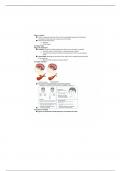
What is a stroke?
Stroke is a general term that refers to acute neurological impairment that follows
interruption in blood flow to a specific area of the brain.
There are two major types:
Ø Ischemic
Ø Hemorrhagic
The Major Types
Why is this important?
Ischemic: disruption of blood supply to the brain from a thrombus or embolus
Ø Previously called a “brain attack” or cerebrovascular accident.
Ø Treatment will include “clot busters” delivered with 3-4.5 hours of symptom
onset
Hemorrhagic: Bleeding into the brain tissues 10%)- HTN or subarachnoid space (3%)-
brain aneurysm
Ø May need brain surgery to evacuate blood.
Two types of Strokes
Cincinnati Pre-hospital Stroke Scale-Early Recognition
First actions in Hospital
Figure out what kind of stroke patient has so treatment can start!
, Is it a brain bleed?
Ø Get a CT scan or MRI within 20 minutes of arrival in emergency
Ø Have the CT or MRI read within 45 minutes.
If no signs of bleeding, start fibrinolytics (clot busters) within 60 minutes
If bleeding, consider other options-craniotomy?
Some Facts about Strokes
Primary cerebrovascular disorder
Fifth leading cause of death in the U.S.A.
Leading cause of long-term disability
Ø Severity of loss of function varies according to location and extent of brain
damage
Ø Physical, cognitive, and emotional impact on patient and family
Financial impact is significant
Risk Factors
Most effective way to decrease burden of stroke is prevention and teaching
Risk factors can be divided into non-modifiable and modifiable risks
Stroke risk increases with multiple risk factors
Risk Factors
Nonmodifiable
Age
Ø Stroke risk doubles each decade after 55
Gender
Ø More common in men; more women die
Ethnicity/race
Ø Higher incidence and death rate in blacks
Ø Hispanics, Native Americans, and Asian Americans, higher incidence than whites.
Heredity/family history
Risk Factors
Modifiable
Hypertension-major
Heart disease
Ø Atrial fibrillation
Carotid Stenosis-asymptomatic
Diabetes
Serum cholesterol
Smoking
Obesity
Sleep apnea
Metabolic syndrome
Lack of physical exercise
Poor diet
Drug and alcohol use
Transient Ischemic Attack (TIA)
History of TIA is associated with an increased risk of stroke
, Definition: A temporary interruption in blood flow producing ischemia.
Ø Neurological symptoms gone in less than an hour
Ø No permanent injury.
Ø May serve as a warning of an impending stroke:
Ø 3% to 15% of all strokes are preceded by a TIA and occur within 90 days after the
TIA.
Ø Lack of evaluation and treatment may result in a stroke with irreversible deficits
Transient Ischemic Attack-Secondary Prevention
Consider use of Platelet inhibiting medications to decrease risk of cerebral infarction:
Ø Aspirin
Ø Clopidrogel
Ø Or both together
- Rule out carotid artery stenosis
Ø If stenosis present-carotid endarterectomy
Ischemic Stroke Pathophysiology
Ischemic strokes result from inadequate blood flow to brain from partial or complete
occlusion of an artery
Ischemic strokes are classified as
Ø Thrombotic
Ø Embolic
Thrombotic
Occurs from injury to a blood vessel wall and formation of a blood clot
Results in narrowing of blood vessel
Most common cause of stroke (60%)
Ø Often associated with HTN or DM
Ø Many times they are preceded by TIA
Ø Extent of stroke depends on
Ø Rapidity of onset
Ø Size of damaged area
Ø Presence of collateral circulation
Embolic Stroke
Occurs when an embolus lodges in and occludes a cerebral artery
Results in infarction and edema of area supplied by involved vessel
Second most common cause of stroke
Causes can include cardiac arrythmias like atrial fibrillation, or valvular heart disease
Ø Stasis of blood results in clots forming in atria
Ø Prevent through administration of anticoagulants.
Embolic Stroke
Sudden onset with severe clinical manifestations
Warning signs are less common
Patient is usually conscious
Prognosis is related to amount of brain tissue deprived of blood supply
Recurrence is common
Manifestations of Ischemic Stroke
Stroke is a general term that refers to acute neurological impairment that follows
interruption in blood flow to a specific area of the brain.
There are two major types:
Ø Ischemic
Ø Hemorrhagic
The Major Types
Why is this important?
Ischemic: disruption of blood supply to the brain from a thrombus or embolus
Ø Previously called a “brain attack” or cerebrovascular accident.
Ø Treatment will include “clot busters” delivered with 3-4.5 hours of symptom
onset
Hemorrhagic: Bleeding into the brain tissues 10%)- HTN or subarachnoid space (3%)-
brain aneurysm
Ø May need brain surgery to evacuate blood.
Two types of Strokes
Cincinnati Pre-hospital Stroke Scale-Early Recognition
First actions in Hospital
Figure out what kind of stroke patient has so treatment can start!
, Is it a brain bleed?
Ø Get a CT scan or MRI within 20 minutes of arrival in emergency
Ø Have the CT or MRI read within 45 minutes.
If no signs of bleeding, start fibrinolytics (clot busters) within 60 minutes
If bleeding, consider other options-craniotomy?
Some Facts about Strokes
Primary cerebrovascular disorder
Fifth leading cause of death in the U.S.A.
Leading cause of long-term disability
Ø Severity of loss of function varies according to location and extent of brain
damage
Ø Physical, cognitive, and emotional impact on patient and family
Financial impact is significant
Risk Factors
Most effective way to decrease burden of stroke is prevention and teaching
Risk factors can be divided into non-modifiable and modifiable risks
Stroke risk increases with multiple risk factors
Risk Factors
Nonmodifiable
Age
Ø Stroke risk doubles each decade after 55
Gender
Ø More common in men; more women die
Ethnicity/race
Ø Higher incidence and death rate in blacks
Ø Hispanics, Native Americans, and Asian Americans, higher incidence than whites.
Heredity/family history
Risk Factors
Modifiable
Hypertension-major
Heart disease
Ø Atrial fibrillation
Carotid Stenosis-asymptomatic
Diabetes
Serum cholesterol
Smoking
Obesity
Sleep apnea
Metabolic syndrome
Lack of physical exercise
Poor diet
Drug and alcohol use
Transient Ischemic Attack (TIA)
History of TIA is associated with an increased risk of stroke
, Definition: A temporary interruption in blood flow producing ischemia.
Ø Neurological symptoms gone in less than an hour
Ø No permanent injury.
Ø May serve as a warning of an impending stroke:
Ø 3% to 15% of all strokes are preceded by a TIA and occur within 90 days after the
TIA.
Ø Lack of evaluation and treatment may result in a stroke with irreversible deficits
Transient Ischemic Attack-Secondary Prevention
Consider use of Platelet inhibiting medications to decrease risk of cerebral infarction:
Ø Aspirin
Ø Clopidrogel
Ø Or both together
- Rule out carotid artery stenosis
Ø If stenosis present-carotid endarterectomy
Ischemic Stroke Pathophysiology
Ischemic strokes result from inadequate blood flow to brain from partial or complete
occlusion of an artery
Ischemic strokes are classified as
Ø Thrombotic
Ø Embolic
Thrombotic
Occurs from injury to a blood vessel wall and formation of a blood clot
Results in narrowing of blood vessel
Most common cause of stroke (60%)
Ø Often associated with HTN or DM
Ø Many times they are preceded by TIA
Ø Extent of stroke depends on
Ø Rapidity of onset
Ø Size of damaged area
Ø Presence of collateral circulation
Embolic Stroke
Occurs when an embolus lodges in and occludes a cerebral artery
Results in infarction and edema of area supplied by involved vessel
Second most common cause of stroke
Causes can include cardiac arrythmias like atrial fibrillation, or valvular heart disease
Ø Stasis of blood results in clots forming in atria
Ø Prevent through administration of anticoagulants.
Embolic Stroke
Sudden onset with severe clinical manifestations
Warning signs are less common
Patient is usually conscious
Prognosis is related to amount of brain tissue deprived of blood supply
Recurrence is common
Manifestations of Ischemic Stroke

