

Escrito por estudiantes que aprobaron Inmediatamente disponible después del pago Leer en línea o como PDF ¿Documento equivocado? Cámbialo gratis 4,6 TrustPilot
logo-home
Examen

Disseminated Intravascular Coagulation Exam Questions and Correct Answers (Latest Update 2024)

Puntuación
-
Vendido
-
Páginas
9
Grado
A+
Subido en
09-12-2024
Escrito en
2024/2025

Disseminated Intravascular Coagulation Exam Questions and Correct Answers (Latest Update 2024) A client has disseminated intravascular coagulation (DIC). Which clinical manifestation should the nurse expect to observe? (Select all that apply.) A. Joint pain B. Hypertension C. Petechiae D. Bleeding E. Clotting - Answers A, C, D, E Rationale: Manifestations of DIC include bleeding, clotting, petechiae, and joint pain. Hypotension, not hypertension, is also a manifestation of DIC. The client with which condition is at the greatest risk of developing acute disseminated intravascular coagulation? A. Gunshot wound to the distal arm B. Bacterial pneumonia treated with antibiotics C. Aortic aneurysm D. Third-degree burns and septic shock - Answers D. Third-degree burns and septic shock Rationale: Clients with severe sepsis and septic shock are at the greatest risk for developing acute DIC. Aortic aneurysm is a risk for chronic DIC. Gunshot wounds and bacterial infections are a risk for DIC, but sepsis is a greater risk. The nurse concludes that both clotting and bleeding occur during disseminated intravascular coagulation (DIC) due to which process? A. Excess release of thrombin uses up clotting factors quicker than they can be replaced. B. Only clotting occurs during DIC, as clotting factors are replaced and available to prevent excess bleeding. C. Activation of intrinsic pathways results in release of excess clotting factors. D. Tissue damage from bleeding uses up clotting factors quicker than they can be replaced. - Answers A. Excess release of thrombin uses up clotting factors quicker than they can be replaced. Rationale: Widespread activation of either the intrinsic or the extrinsic pathways results in excess release of thrombin. Thrombin and emboli cause tissue and organ damage. Clotting factors are consumed faster than they are replaced, leading to excessive bleeding. Disseminated intravascular coagulation (DIC) is triggered by an injury or agent that activates the clotting cascade. Which condition should the nurse identify as a trigger for the clotting cascade? (Select all that apply.) A. Placenta previa B. Acute leukemia C. Acute glomerulonephritis D. Head injury E. Bacterial infection - Answers B, C, D, E Rationale: Tissue damage such as head injury, abruptio placenta, and acute leukemia can trigger DIC. Vessel damage such as acute glomerulonephritis can trigger DIC. Infections, bacterial or viral, can also trigger DIC. Placenta previa is not directly associated with DIC. The nurse suspects that a patient who has severe sepsis now has disseminated intravascular coagulation (DIC). Which finding, if observed, helps confirm this suspicion? A. Bradycardia B. Clear breath sounds C. Petechiae D. Polyuria - Answers C. Petechiae Rationale: Petechiae is a symptom of DIC due to the impaired clotting mechanism leading to bleeding and impaired tissue perfusion. Oliguria or anuria would be expected, as would tachycardia. Decreased breath sounds, tachypnea, and pleural friction rub are clinical manifestations of DIC. The nurse is preparing an educational program about disseminated intravascular coagulation (DIC). Which condition should the nurse include as a risk factor for the development of this condition? (Select all that apply.) A. Fetal demise B. Primigravida C. Preeclampsia D. Prolonged labor E. Septic abortion - Answers A, C, E Rationale: Pregnant clients are at risk for the development of acute DIC from the complications of preeclampsia, placental abruption, fetal demise, amniotic fluid embolism, and septic abortion. Prolonged labor and primigravida are not considered risk factors for the development of DIC. The nurse is caring for a client with suspected disseminated intravascular coagulation (DIC). Which diagnostic test result supports the diagnosis of DIC? A. Decreased D-dimer B. Normal fibrinogen levels C. Decreased fibrin degradation products D. Increased platelet count - Answers B. Normal fibrinogen levels Rationale: Fibrinogen levels may be normal or even decreased in circumstances where elevated levels are expected. D-dimer will be elevated in both acute and chronic DIC. Decreased platelet count and the presence of schistocytes on the CBC indicate DIC. Fibrin degradation products will be increased as a result of fibrinolysis. The nurse assesses a client who has bacterial pneumonia and finds tachycardia, hypotension, oliguria, and acrocyanosis of a foot. Schistocytes are found in a complete blood count, and the D-dimer is elevated. Which collaborative action should the nurse anticipate? A. Heparin therapy B. Warfarin therapy C. Dialysis D. Foot amputation - Answers A. Heparin therapy Rationale: The client has signs and symptoms of disseminated intravascular coagulation (DIC). Low-molecular-weight heparin is used to interfere with the clotting cascade and reduce the consumption of clotting factors by uncontrolled thrombosis. Warfarin is not used to treat DIC. Dialysis and amputation are not indicated at this time. The nurse is caring for a client who has signs of acute disseminated intravascular coagulation. Which intervention is appropriate? (Select all that apply.) A. Elevate the head of the bed. B. Encourage deep breathing and effective coughing exercises. C. Encourage ambulation. D. Continuously monitor oxygen saturation. E. Administer analgesics and anti-anxiety medications, as ordered. - Answers A, B, D, E Rationale: Microclots in the pulmonary vasculature can cause impaired gas exchange. Bedrest reduces oxygen demand and cardiac workload. The head of the bed is elevated to promote diaphragmatic movement and alveolar ventilation. Monitoring oxygenation saturation measures

Mostrar más Leer menos
Institución
Disseminated Intravascular Coagulation
Grado
Disseminated Intravascular Coagulation

Vista previa del contenido

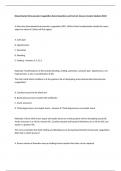
Disseminated Intravascular Coagulation Exam Questions and Correct Answers (Latest Update 2024)


A client has disseminated intravascular coagulation (DIC). Which clinical manifestation should the nurse
expect to observe? (Select all that apply.)


A. Joint pain

B. Hypertension

C. Petechiae

D. Bleeding

E. Clotting - Answers A, C, D, E


Rationale: Manifestations of DIC include bleeding, clotting, petechiae, and joint pain. Hypotension, not
hypertension, is also a manifestation of DIC.

The client with which condition is at the greatest risk of developing acute disseminated intravascular
coagulation?


A. Gunshot wound to the distal arm

B. Bacterial pneumonia treated with antibiotics

C. Aortic aneurysm

D. Third-degree burns and septic shock - Answers D. Third-degree burns and septic shock


Rationale: Clients with severe sepsis and septic shock are at the greatest risk for developing acute DIC.
Aortic aneurysm is a risk for chronic DIC. Gunshot wounds and bacterial infections are a risk for DIC, but
sepsis is a greater risk.

The nurse concludes that both clotting and bleeding occur during disseminated intravascular coagulation
(DIC) due to which process?


A. Excess release of thrombin uses up clotting factors quicker than they can be replaced.

, B. Only clotting occurs during DIC, as clotting factors are replaced and available to prevent excess
bleeding.

C. Activation of intrinsic pathways results in release of excess clotting factors.

D. Tissue damage from bleeding uses up clotting factors quicker than they can be replaced. - Answers A.
Excess release of thrombin uses up clotting factors quicker than they can be replaced.


Rationale: Widespread activation of either the intrinsic or the extrinsic pathways results in excess
release of thrombin. Thrombin and emboli cause tissue and organ damage. Clotting factors are
consumed faster than they are replaced, leading to excessive bleeding.

Disseminated intravascular coagulation (DIC) is triggered by an injury or agent that activates the clotting
cascade. Which condition should the nurse identify as a trigger for the clotting cascade?

(Select all that apply.)


A. Placenta previa

B. Acute leukemia

C. Acute glomerulonephritis

D. Head injury

E. Bacterial infection - Answers B, C, D, E


Rationale: Tissue damage such as head injury, abruptio placenta, and acute leukemia can trigger DIC.
Vessel damage such as acute glomerulonephritis can trigger DIC. Infections, bacterial or viral, can also
trigger DIC. Placenta previa is not directly associated with DIC.

The nurse suspects that a patient who has severe sepsis now has disseminated intravascular coagulation
(DIC). Which finding, if observed, helps confirm this suspicion?


A. Bradycardia

B. Clear breath sounds

C. Petechiae

D. Polyuria - Answers C. Petechiae
Escuela, estudio y materia

Institución
Disseminated Intravascular Coagulation
Grado
Disseminated Intravascular Coagulation

Información del documento

Subido en
9 de diciembre de 2024
Número de páginas
9
Escrito en
2024/2025
Tipo
Examen
Contiene
Preguntas y respuestas

Temas

$8.79
Accede al documento completo:

¿Documento equivocado? Cámbialo gratis Dentro de los 14 días posteriores a la compra y antes de descargarlo, puedes elegir otro documento. Puedes gastar el importe de nuevo.
Escrito por estudiantes que aprobaron
Inmediatamente disponible después del pago
Leer en línea o como PDF


Documento también disponible en un lote

Conoce al vendedor

Seller avatar
Los indicadores de reputación están sujetos a la cantidad de artículos vendidos por una tarifa y las reseñas que ha recibido por esos documentos. Hay tres niveles: Bronce, Plata y Oro. Cuanto mayor reputación, más podrás confiar en la calidad del trabajo del vendedor.
TutorJosh Chamberlain College Of Nursing
Seguir Necesitas iniciar sesión para seguir a otros usuarios o asignaturas
Vendido
464
Miembro desde
1 año
Número de seguidores
16
Documentos
32358
Última venta
1 día hace
Tutor Joshua

Here You will find all Documents and Package Deals Offered By Tutor Joshua.

3.4

74 reseñas

5
26
4
16
3
14
2
1
1
17

Por qué los estudiantes eligen Stuvia

Creado por compañeros estudiantes, verificado por reseñas

Calidad en la que puedes confiar: escrito por estudiantes que aprobaron y evaluado por otros que han usado estos resúmenes.

¿No estás satisfecho? Elige otro documento

¡No te preocupes! Puedes elegir directamente otro documento que se ajuste mejor a lo que buscas.

Paga como quieras, empieza a estudiar al instante

Sin suscripción, sin compromisos. Paga como estés acostumbrado con tarjeta de crédito y descarga tu documento PDF inmediatamente.

Student with book image

“Comprado, descargado y aprobado. Así de fácil puede ser.”

Alisha Student

Preguntas frecuentes
