Chapter 2: Categories of migration
➔ the uncritical use of categories can also be a source of confusion and distortion =
categories and terms shape the way we perceive the world around us
◆ categories often convey judgements linked to race, class, nationality e.g.
expats vs migrant workers
◆ governments and organizations can use categories to reframe migration for
political purposes
➔ distinction
◆ (1) analytical categories mainly by researchers and some policy makers
◆ (2) administrative categories used by governments and states
◆ (3) discursive categories mainly used by politicians and media
➔ migration can be defined as a change of (1) residency across (2) administrative borders,
people move across such borders to live in another administrative unit
➔ very concept of migration largely reflects the need of modern administrative
systems to define who is resident, who has to pay taxes, who has the right to remain,
and who can become a citizen
➔ migration is a process
◆ and how it is described matters as well (exodus? flows?)
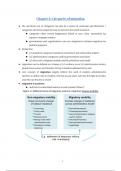
Figure 2.1 Different forms of migratory and non-migratory human mobility
1
,Defining migration and human mobility
➔ Human mobility refers to all forms of human movement outside of their direct living
place and social environment (house, village or neighbourhood)
➔ Migratory mobility equals migration and involves the change of residence across
administrative borders
➔ non-migratory mobility comprises all forms of mobility that do not qualify as
migration
➔ non-migratory mobility has increased rapidly in last decades
◆ commuting has thus potentially decreased the need to migrate
◆ outsourcing industries to low-wage countries decreased demand for some
low-skilled workers
➔ people are often counted as migrants the moment or a few months after they register
as such
➔ international migrant as “any person who changes his or her country of usual
residence’, irrespective of the reason for migration or the legal status of migrants”
➔ a migrant is a person who is living in another country, state, province or municipality
than where she or he was born
◆ so “second-generation migrant” seem contradicting and is part of othering
discourses marking some groups as not fully part of destination society
◆ ‘hyphenated identities’ (such as ‘Mexican-American’, ‘Filipino-American’ or
‘African-American’)
Internal and international migration
➔ not so clear: there may be more change migrating inside big and ethnically diverse
countries (India, Congo) than between two countries: US-UK, Netherlands-Belgium
➔ international migration is not necessary more difficult e.g. European Union,
ECOWAS, Australia-New Zealand, while internal migration mich be more difficult
e.g. in China
◆ EU migration as in-between category?
➔ generally the crossing of an international border: higher costs + bigger change in
culture and social environments + higher psychosocial strains put upon migrants
➔ increases in the total number of international migrants may not reflect increasing
human mobility, but rather a redefinition of people’s legal status from internal to
international migrants e.g. through increase of number of countries
◆ artificial increase?
➔ both internal and international migration are manifestations of same processes:
2
, ◆ social transformation
◆ economic development
◆ industrialization - rural-to-urban migration and if there’s no big city in their
country then international migration
➔ internal and international migration are often functionally related
◆ international migration precedence by urban migration - saving money,
getting knowledge and aspirations
◆ international migration can lead to internal migration - earning money
abroad to move / start business in the city
◆ international migration triggers replacement migration - jobs left in the city
are filled by rural migrants / migrant from poorer countries
Temporary and permanent migration
➔ labeling particular forms of migration as “temporary” and “permanent” are partly
political and ideological in nature
◆ assuaging public worries about high immigration - oh yeah but they only here
temporary
◆ most countries lack permanent migration programmes
➔ nation states want to protect their sovereignty and that’s why they draw these
distinctions to not give certain rights to people who are only “temporary”
◆ realities are often at odds: those who came to stay leave, those who came
temporarily stay
◆ differences between governments’ intentions and migrants’
➔ difficult to know whether and at which point a migration is temporary or permanent
➔ better to conceptualize migration as a process
Origin and destinations
➔ essentialism - idea that every social unit has a number of fixed characteristics that
are inextricably linked to its identity
➔ problematic dichotomy, essentialist, can create biases; also seems “frozen in time”
and doesn’t account for change in how people perceive their identities over life
➔ migrants often foster multiple, transnational belongings that defy the idea of a
singular belonging to one nation or state
➔ home - host
◆ what initially was experienced as the host country, often becomes the new
home country over time; migrants feel at home in many places
◆ used to discriminate by marking groups as having home somewhere else
3
➔ the uncritical use of categories can also be a source of confusion and distortion =
categories and terms shape the way we perceive the world around us
◆ categories often convey judgements linked to race, class, nationality e.g.
expats vs migrant workers
◆ governments and organizations can use categories to reframe migration for
political purposes
➔ distinction
◆ (1) analytical categories mainly by researchers and some policy makers
◆ (2) administrative categories used by governments and states
◆ (3) discursive categories mainly used by politicians and media
➔ migration can be defined as a change of (1) residency across (2) administrative borders,
people move across such borders to live in another administrative unit
➔ very concept of migration largely reflects the need of modern administrative
systems to define who is resident, who has to pay taxes, who has the right to remain,
and who can become a citizen
➔ migration is a process
◆ and how it is described matters as well (exodus? flows?)
Figure 2.1 Different forms of migratory and non-migratory human mobility
1
,Defining migration and human mobility
➔ Human mobility refers to all forms of human movement outside of their direct living
place and social environment (house, village or neighbourhood)
➔ Migratory mobility equals migration and involves the change of residence across
administrative borders
➔ non-migratory mobility comprises all forms of mobility that do not qualify as
migration
➔ non-migratory mobility has increased rapidly in last decades
◆ commuting has thus potentially decreased the need to migrate
◆ outsourcing industries to low-wage countries decreased demand for some
low-skilled workers
➔ people are often counted as migrants the moment or a few months after they register
as such
➔ international migrant as “any person who changes his or her country of usual
residence’, irrespective of the reason for migration or the legal status of migrants”
➔ a migrant is a person who is living in another country, state, province or municipality
than where she or he was born
◆ so “second-generation migrant” seem contradicting and is part of othering
discourses marking some groups as not fully part of destination society
◆ ‘hyphenated identities’ (such as ‘Mexican-American’, ‘Filipino-American’ or
‘African-American’)
Internal and international migration
➔ not so clear: there may be more change migrating inside big and ethnically diverse
countries (India, Congo) than between two countries: US-UK, Netherlands-Belgium
➔ international migration is not necessary more difficult e.g. European Union,
ECOWAS, Australia-New Zealand, while internal migration mich be more difficult
e.g. in China
◆ EU migration as in-between category?
➔ generally the crossing of an international border: higher costs + bigger change in
culture and social environments + higher psychosocial strains put upon migrants
➔ increases in the total number of international migrants may not reflect increasing
human mobility, but rather a redefinition of people’s legal status from internal to
international migrants e.g. through increase of number of countries
◆ artificial increase?
➔ both internal and international migration are manifestations of same processes:
2
, ◆ social transformation
◆ economic development
◆ industrialization - rural-to-urban migration and if there’s no big city in their
country then international migration
➔ internal and international migration are often functionally related
◆ international migration precedence by urban migration - saving money,
getting knowledge and aspirations
◆ international migration can lead to internal migration - earning money
abroad to move / start business in the city
◆ international migration triggers replacement migration - jobs left in the city
are filled by rural migrants / migrant from poorer countries
Temporary and permanent migration
➔ labeling particular forms of migration as “temporary” and “permanent” are partly
political and ideological in nature
◆ assuaging public worries about high immigration - oh yeah but they only here
temporary
◆ most countries lack permanent migration programmes
➔ nation states want to protect their sovereignty and that’s why they draw these
distinctions to not give certain rights to people who are only “temporary”
◆ realities are often at odds: those who came to stay leave, those who came
temporarily stay
◆ differences between governments’ intentions and migrants’
➔ difficult to know whether and at which point a migration is temporary or permanent
➔ better to conceptualize migration as a process
Origin and destinations
➔ essentialism - idea that every social unit has a number of fixed characteristics that
are inextricably linked to its identity
➔ problematic dichotomy, essentialist, can create biases; also seems “frozen in time”
and doesn’t account for change in how people perceive their identities over life
➔ migrants often foster multiple, transnational belongings that defy the idea of a
singular belonging to one nation or state
➔ home - host
◆ what initially was experienced as the host country, often becomes the new
home country over time; migrants feel at home in many places
◆ used to discriminate by marking groups as having home somewhere else
3