Test bank questions and answers
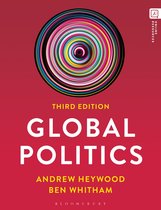
Global Politics Third Edition
Andrew Heywood
60 multiple choice questions – answers on last page
Reading time 40 minutes.
Understand all core concepts in record time!
,1. Which of the following best describes the term "global politics"?
o A) The politics of a single nation-state
o B) The interaction of states, international organizations, and non-state
actors in the global arena
o C) A system that only applies to wealthy nations
o D) Political practices within national boundaries
2. Which critical theory challenges the dominance of Western perspectives
in global politics?
o A) Feminism
o B) Postcolonialism
o C) Realism
o D) Marxism
3. What does the term "Anthropocene" refer to in global politics?
o A) A new geopolitical order based on environmental concerns
o B) The proposed end of human civilization due to climate change
o C) A period where human activity has become the dominant influence
on climate and the environment
o D) The creation of global political systems to combat climate change
4. Which of the following is a key theme of feminist perspectives in global
politics?
o A) The power of nation-states in maintaining global order
o B) The influence of gender in shaping political and social structures
o C) The centrality of war and conflict in international relations
o D) The prioritization of economic growth over human rights
5. Which of the following is a key feature of realism in global politics?
o A) Emphasis on human rights and international cooperation
o B) Belief that global politics is driven by a quest for power and security
o C) Focus on social and cultural equality in international relations
o D) A strong commitment to international economic integration
, 6. Which international organization is primarily responsible for promoting
global economic stability?
o A) United Nations (UN)
o B) World Trade Organization (WTO)
o C) International Monetary Fund (IMF)
o D) International Criminal Court (ICC)
7. What is the central idea of constructivism in global politics?
o A) States are the only important actors in international relations.
o B) Power is the primary driver of global political behavior.
o C) Social structures and identities shape political outcomes and
international relations.
o D) Human nature is inherently conflictual, leading to global power
struggles.
8. Which of the following best defines the concept of "sovereignty" in
international relations?
o A) The ability of a state to govern itself without outside interference
o B) The practice of forming alliances with other nations
o C) The concept that international law supersedes national law
o D) A system in which world governments work together to solve global
issues
9. According to the book, which of the following is a major challenge in the
politics of globalization?
o A) The increasing irrelevance of national borders
o B) The growing inequality between rich and poor nations
o C) The disappearance of political ideologies
o D) The diminishing role of technology in shaping policy
10. What is the central argument of feminist theory in global politics?
A) Men and women are equally represented in global decision-making
processes.
B) Gender roles and inequalities significantly shape global politics and power
relations.
Global Politics Third Edition
Andrew Heywood
60 multiple choice questions – answers on last page
Reading time 40 minutes.
Understand all core concepts in record time!
,1. Which of the following best describes the term "global politics"?
o A) The politics of a single nation-state
o B) The interaction of states, international organizations, and non-state
actors in the global arena
o C) A system that only applies to wealthy nations
o D) Political practices within national boundaries
2. Which critical theory challenges the dominance of Western perspectives
in global politics?
o A) Feminism
o B) Postcolonialism
o C) Realism
o D) Marxism
3. What does the term "Anthropocene" refer to in global politics?
o A) A new geopolitical order based on environmental concerns
o B) The proposed end of human civilization due to climate change
o C) A period where human activity has become the dominant influence
on climate and the environment
o D) The creation of global political systems to combat climate change
4. Which of the following is a key theme of feminist perspectives in global
politics?
o A) The power of nation-states in maintaining global order
o B) The influence of gender in shaping political and social structures
o C) The centrality of war and conflict in international relations
o D) The prioritization of economic growth over human rights
5. Which of the following is a key feature of realism in global politics?
o A) Emphasis on human rights and international cooperation
o B) Belief that global politics is driven by a quest for power and security
o C) Focus on social and cultural equality in international relations
o D) A strong commitment to international economic integration
, 6. Which international organization is primarily responsible for promoting
global economic stability?
o A) United Nations (UN)
o B) World Trade Organization (WTO)
o C) International Monetary Fund (IMF)
o D) International Criminal Court (ICC)
7. What is the central idea of constructivism in global politics?
o A) States are the only important actors in international relations.
o B) Power is the primary driver of global political behavior.
o C) Social structures and identities shape political outcomes and
international relations.
o D) Human nature is inherently conflictual, leading to global power
struggles.
8. Which of the following best defines the concept of "sovereignty" in
international relations?
o A) The ability of a state to govern itself without outside interference
o B) The practice of forming alliances with other nations
o C) The concept that international law supersedes national law
o D) A system in which world governments work together to solve global
issues
9. According to the book, which of the following is a major challenge in the
politics of globalization?
o A) The increasing irrelevance of national borders
o B) The growing inequality between rich and poor nations
o C) The disappearance of political ideologies
o D) The diminishing role of technology in shaping policy
10. What is the central argument of feminist theory in global politics?
A) Men and women are equally represented in global decision-making
processes.
B) Gender roles and inequalities significantly shape global politics and power
relations.