NREMT 2024 prep 160 questions
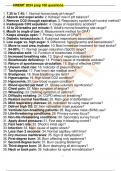
1. 7.35 to 7.45: 1. Normal human body pH range?
2. Absorb and expel acids: 2. Kidneys' role in pH balance?
3. Remove CO2 through expiration: 3. Respiratory system's pH control method?
4. Inadequate CO2 expulsion: 4. Cause of respiratory acidosis?
5. 12 to 20 breaths per minute: 5. Adult's normal breathing rate range?
6. Mouth to angle of jaw: 6. Measurement method for OPA?
7. Keeps airways open: 7. Primary function of CPAP?
8. Diabetic ketoacidosis: 8. Kussmaul respirations associated with?
9. Low sugar vs. high sugar: 9. Difference: hypoglycemia and ketoacidosis?
10. Move to cool area, hydrate: 10. Best immediate treatment for heat stroke?
11. 94-99%: 11. Normal oxygen saturation (SpO2) range?
12. Neutralize acid: 12. Function of bicarbonate in blood?
13. Increased breathing rate: 13. Sign of respiratory distress?
14. Bicarbonate deficiency: 14. Primary cause of metabolic acidosis?
15. Return of spontaneous circulation: 15. Sign of effective CPR?
16. Uneven chest rise: 16. Indicator of pneumothorax?
17. Tachycardia: 17. Fast heart rate medical term?
18. Bradypnea: 18. Slow breathing rate term?
19. Hypercapnia: 19. High blood CO2 condition?
20. Hypoxemia: 20. Low blood oxygen condition?
21. Blood ejected per beat: 21. Stroke volume's significance?
22. Chest pain: 22. Main symptom of angina?
23. Wheezing: 23. Defining symptom of asthma?
24. Difficulty exhaling: 24. COPD effect on breathing?
25. Restore normal heartbeat: 25. Main goal of defibrillation?
26. Mild respiratory distress: 26. Indication for using nasal cannula?
27. Deliver high O2: 27. Non-rebreather mask purpose?
28. Ventilate non-breathing patients: 28. Bag valve mask (BVM) use?
29. Life-threatening conditions: 29. Primary survey focus?
30. Non-life-threatening conditions: 30. Secondary survey focus?
31. Apply direct pressure: 31. First step in bleeding control?
32. Fast heart rate: 32. Shock's initial sign?
33. Infection: 33. Main cause of septic shock?
34. Less than 2 seconds: 34. Normal capillary refill time?
35. Dry mucous membranes: 35. Sign of dehydration?
36. First-degree burn: 36. Burn affecting only epidermis?
37. Second-degree burn: 37. Burn causing blistering?
38. Third-degree burn: 38. Burn destroying all skin layers?
39. Neck or back pain: 39. Indication for spinal immobilization?
1/5
, NREMT 2024 prep 160 questions
40. Shivering: 40. Symptom of hypothermia?
41. Body temp above 100.4°F: 41. Hyperthermia's defining sign?
42. Epinephrine: 42. Main treatment for anaphylaxis?
43. Fruity breath: 43. Diabetic ketoacidosis hallmark?
44. Aspirin: 44. First line treatment for MI?
45. No pulse, no breathing: 45. Indication for CPR?
46. Treat hypoglycemia: 46. Purpose of oral glucose?
47. Face, Arm, Speech, Time: 47. FAST acronym in stroke?
48. Airway management: 48. Primary concern in trauma?
49. Monitor heart rhythm: 49. ECG's purpose?
50. Naloxone: 50. Treatment for opioid overdose?
51. 60 to 100 bpm: 51. Normal adult heart rate range?
52. Tracheal deviation: 52. Main sign of tension pneumothorax?
53. Blood loss: 53. Hypovolemic shock primary cause?
54. Correct arrhythmias: 54. Function of automatic external defibrillator (AED)?
55. Chest pain: 55. Symptom of acute myocardial infarction?
56. Low SpO2: 56. Indicator for administering oxygen?
57. Sudden shortness of breath: 57. Primary symptom of pulmonary embolism?
58. Rapid transport: 58. Treatment priority in stroke?
59. Altered mental status: 59. Main indicator for glucose testing?
60. Open the airway: 60. Initial step in airway management?
61. Fluid loss: Primary cause of hypovolemic shock?
62. Shortness of breath: Symptom of congestive heart failure?
63. Legs elevated: Best position for shock patients?
64. Severe respiratory distress: Indication for high-flow oxygen?
65. Immobilize the limb: First step in fracture management?
66. RLQ pain: Main symptom of appendicitis?
67. Sunken fontanelle: Indicator of dehydration in infants?
68. Stiff neck: Classic sign of meningitis?
69. Defibrillation: Treatment for ventricular fibrillation?
70. Headache: Symptom of carbon monoxide poisoning?
71. Manage CHF: Use of CPAP in EMS?
72. Albuterol: First-line medication for asthma?
73. JVD: Sign of tension pneumothorax?
74. Epinephrine: Immediate treatment for severe allergy?
75. Abdominal pain: Main symptom of ectopic pregnancy?
76. Unequal pupils: Indicator of serious head injury?
77. Abdominal rigidity: Sign of peritonitis?
78. Cool water, cover: Treatment for severe burn?
2/5
1. 7.35 to 7.45: 1. Normal human body pH range?
2. Absorb and expel acids: 2. Kidneys' role in pH balance?
3. Remove CO2 through expiration: 3. Respiratory system's pH control method?
4. Inadequate CO2 expulsion: 4. Cause of respiratory acidosis?
5. 12 to 20 breaths per minute: 5. Adult's normal breathing rate range?
6. Mouth to angle of jaw: 6. Measurement method for OPA?
7. Keeps airways open: 7. Primary function of CPAP?
8. Diabetic ketoacidosis: 8. Kussmaul respirations associated with?
9. Low sugar vs. high sugar: 9. Difference: hypoglycemia and ketoacidosis?
10. Move to cool area, hydrate: 10. Best immediate treatment for heat stroke?
11. 94-99%: 11. Normal oxygen saturation (SpO2) range?
12. Neutralize acid: 12. Function of bicarbonate in blood?
13. Increased breathing rate: 13. Sign of respiratory distress?
14. Bicarbonate deficiency: 14. Primary cause of metabolic acidosis?
15. Return of spontaneous circulation: 15. Sign of effective CPR?
16. Uneven chest rise: 16. Indicator of pneumothorax?
17. Tachycardia: 17. Fast heart rate medical term?
18. Bradypnea: 18. Slow breathing rate term?
19. Hypercapnia: 19. High blood CO2 condition?
20. Hypoxemia: 20. Low blood oxygen condition?
21. Blood ejected per beat: 21. Stroke volume's significance?
22. Chest pain: 22. Main symptom of angina?
23. Wheezing: 23. Defining symptom of asthma?
24. Difficulty exhaling: 24. COPD effect on breathing?
25. Restore normal heartbeat: 25. Main goal of defibrillation?
26. Mild respiratory distress: 26. Indication for using nasal cannula?
27. Deliver high O2: 27. Non-rebreather mask purpose?
28. Ventilate non-breathing patients: 28. Bag valve mask (BVM) use?
29. Life-threatening conditions: 29. Primary survey focus?
30. Non-life-threatening conditions: 30. Secondary survey focus?
31. Apply direct pressure: 31. First step in bleeding control?
32. Fast heart rate: 32. Shock's initial sign?
33. Infection: 33. Main cause of septic shock?
34. Less than 2 seconds: 34. Normal capillary refill time?
35. Dry mucous membranes: 35. Sign of dehydration?
36. First-degree burn: 36. Burn affecting only epidermis?
37. Second-degree burn: 37. Burn causing blistering?
38. Third-degree burn: 38. Burn destroying all skin layers?
39. Neck or back pain: 39. Indication for spinal immobilization?
1/5
, NREMT 2024 prep 160 questions
40. Shivering: 40. Symptom of hypothermia?
41. Body temp above 100.4°F: 41. Hyperthermia's defining sign?
42. Epinephrine: 42. Main treatment for anaphylaxis?
43. Fruity breath: 43. Diabetic ketoacidosis hallmark?
44. Aspirin: 44. First line treatment for MI?
45. No pulse, no breathing: 45. Indication for CPR?
46. Treat hypoglycemia: 46. Purpose of oral glucose?
47. Face, Arm, Speech, Time: 47. FAST acronym in stroke?
48. Airway management: 48. Primary concern in trauma?
49. Monitor heart rhythm: 49. ECG's purpose?
50. Naloxone: 50. Treatment for opioid overdose?
51. 60 to 100 bpm: 51. Normal adult heart rate range?
52. Tracheal deviation: 52. Main sign of tension pneumothorax?
53. Blood loss: 53. Hypovolemic shock primary cause?
54. Correct arrhythmias: 54. Function of automatic external defibrillator (AED)?
55. Chest pain: 55. Symptom of acute myocardial infarction?
56. Low SpO2: 56. Indicator for administering oxygen?
57. Sudden shortness of breath: 57. Primary symptom of pulmonary embolism?
58. Rapid transport: 58. Treatment priority in stroke?
59. Altered mental status: 59. Main indicator for glucose testing?
60. Open the airway: 60. Initial step in airway management?
61. Fluid loss: Primary cause of hypovolemic shock?
62. Shortness of breath: Symptom of congestive heart failure?
63. Legs elevated: Best position for shock patients?
64. Severe respiratory distress: Indication for high-flow oxygen?
65. Immobilize the limb: First step in fracture management?
66. RLQ pain: Main symptom of appendicitis?
67. Sunken fontanelle: Indicator of dehydration in infants?
68. Stiff neck: Classic sign of meningitis?
69. Defibrillation: Treatment for ventricular fibrillation?
70. Headache: Symptom of carbon monoxide poisoning?
71. Manage CHF: Use of CPAP in EMS?
72. Albuterol: First-line medication for asthma?
73. JVD: Sign of tension pneumothorax?
74. Epinephrine: Immediate treatment for severe allergy?
75. Abdominal pain: Main symptom of ectopic pregnancy?
76. Unequal pupils: Indicator of serious head injury?
77. Abdominal rigidity: Sign of peritonitis?
78. Cool water, cover: Treatment for severe burn?
2/5