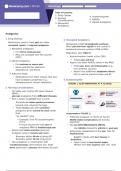
Table of Contents:
1. Drug Classes
4. Acetaminophen
2. Nursing
5. NSAIDs
Considerations
6. Opioid Analgesics
3. Nonopioid
Analgesics
Analgesics
1. Drug Classes
3. Nonopioid Analgesics
Medications used to treat pain are either
Nonopioids inhibit prostaglandin synthesis
nonopioid, opioid, or adjuvant analgesics:
Block pain and fever signals in the central or
1. Nonopioid analgesics: peripheral nervous systems (CNS or PNS)
For mild to moderate pain Medications (see TABLE 3):
Most are available over the counter
(OTC). Acetaminophen (works in the CNS)
Treats pain and fever
2. Opioid analgesics:
Aspirin and other NSAIDs (work in the PNS)
For moderate to severe pain
Treat pain, fever, and inflammation (e.g.,
Have potential for tolerance,
from arthritis, sprains)
dependence, and abuse
Aspirin has additional antiplatelet effects
3. Adjuvant drugs: and is used to prevent stroke and MI.
Medications from other classes that also
have analgesic properties (e.g., 4. Acetaminophen
antidepressants, muscle relaxants).
FIGURE 1. ACETAMINOPHEN AT A GLANCE
2. Nursing Considerations
For better pain control with fewer adverse
effects,
alternate analgesics from different classes.
Pain is easier to prevent than to treat:
Premedicate before painful procedures
(wound care, physical therapy).
Treat chronic pain with scheduled
analgesics given around the clock rather
than Acetaminophen (FIGURE 1):
“as-needed” only. Preferred analgesic in clients at risk for
Example: Give PO acetaminophen NSAID-related complications (GI toxicity,
every bleeding)
6 hours around the clock plus IV Has no anti-inflammatory effects
morphine PRN for breakthrough pain. Use NSAIDs instead for arthritis or gout pain.
Assess pain before and after giving an Extensively metabolized in the liver Risk for
analgesic using a numeric pain score: hepatotoxicity:
Reassess within 60 min of giving PO. Avoid in clients with liver disease or
Reassess within 30 min of giving IV. alcoholism.
Use analgesics in combination with Teach client to limit alcohol intake.
nonpharmacologic interventions (ice, heat). Monitor forin liver enzymes (AST, ALT, ALP).
Never administer a placebo (like saline) for pain.
, Avoid acetaminophen in clients with liver disease or alcoholism due to the risk for hepatotoxicity.
This study source was downloaded by 100000892998434 from CourseHero.com on 11-18-2024 09:39:43 GMT -06:00
© Bootcamp.com
1. Drug Classes
4. Acetaminophen
2. Nursing
5. NSAIDs
Considerations
6. Opioid Analgesics
3. Nonopioid
Analgesics
Analgesics
1. Drug Classes
3. Nonopioid Analgesics
Medications used to treat pain are either
Nonopioids inhibit prostaglandin synthesis
nonopioid, opioid, or adjuvant analgesics:
Block pain and fever signals in the central or
1. Nonopioid analgesics: peripheral nervous systems (CNS or PNS)
For mild to moderate pain Medications (see TABLE 3):
Most are available over the counter
(OTC). Acetaminophen (works in the CNS)
Treats pain and fever
2. Opioid analgesics:
Aspirin and other NSAIDs (work in the PNS)
For moderate to severe pain
Treat pain, fever, and inflammation (e.g.,
Have potential for tolerance,
from arthritis, sprains)
dependence, and abuse
Aspirin has additional antiplatelet effects
3. Adjuvant drugs: and is used to prevent stroke and MI.
Medications from other classes that also
have analgesic properties (e.g., 4. Acetaminophen
antidepressants, muscle relaxants).
FIGURE 1. ACETAMINOPHEN AT A GLANCE
2. Nursing Considerations
For better pain control with fewer adverse
effects,
alternate analgesics from different classes.
Pain is easier to prevent than to treat:
Premedicate before painful procedures
(wound care, physical therapy).
Treat chronic pain with scheduled
analgesics given around the clock rather
than Acetaminophen (FIGURE 1):
“as-needed” only. Preferred analgesic in clients at risk for
Example: Give PO acetaminophen NSAID-related complications (GI toxicity,
every bleeding)
6 hours around the clock plus IV Has no anti-inflammatory effects
morphine PRN for breakthrough pain. Use NSAIDs instead for arthritis or gout pain.
Assess pain before and after giving an Extensively metabolized in the liver Risk for
analgesic using a numeric pain score: hepatotoxicity:
Reassess within 60 min of giving PO. Avoid in clients with liver disease or
Reassess within 30 min of giving IV. alcoholism.
Use analgesics in combination with Teach client to limit alcohol intake.
nonpharmacologic interventions (ice, heat). Monitor forin liver enzymes (AST, ALT, ALP).
Never administer a placebo (like saline) for pain.
, Avoid acetaminophen in clients with liver disease or alcoholism due to the risk for hepatotoxicity.
This study source was downloaded by 100000892998434 from CourseHero.com on 11-18-2024 09:39:43 GMT -06:00
© Bootcamp.com