Sample
Summaries after sample
,Sample
Summaries after sample
, Environmental cost of The cost of power consumption
electric power • Energy measured in joules (J), not watts (W).
• Electrical appliances rated in watts.
• 80% of electricity produced in coal-fired power • Power refers to the rate of electrical energy
stations releases 900g CO2 and 8g SO2. supply.
• Savings include turning off lights when not in use, • Cranes have varying power consumption times.
keeping fridge door closed, minimizing heater use, • One kilowatt equals 1000 W.
and not using hot water taps when cold.
• Sharing hot water baths, replacing incandescent T7: Cost of
bulbs with compact fluorescents, and turning off
computers and TVs can also reduce costs. electrical Paying for electricity
power • Electricity Meters and Cost Calculation:
Sample
o Every home has a meter to measure energy usage.
o Two types of meters: monthly meters charged by
Alternative energy in municipality or Eskom, and prepaid meters.
the home o Energy is measured in kWh, the unit kilowatt hour.
o Consumer cost is calculated by power rating x time x
• Geysers: Primary energy source, rated at 3,000W, with thermostat for temperature unit price.
Summaries after sample
control.
• Solar geysers: Commonly used for hot water during sunshine.
• Electric geysers: Operate when hot water in solar tank is insufficient or sunlight is scarce.
• Work by absorbing heat, heating water, and circulating it via a pipe.
o Example: 230V, 2,000W electric heater for 3 hours
each evening in June.
Electric appliances
• Cost = power rating x time x unit price = R225,00.
• Electric appliances use current heating effect, electric motors, or
combinations of both.
• Power rating - found on appliances or their packaging.
• Some appliances operate at various power ratings - fan with
three speeds or heater with heat settings.
•
T3:T6-7 Via Afrika Copyright © www.summariessa.co.za (DO NOT COPY)
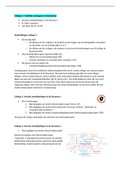
GR9 NS Mind Map
, Sample
Summaries after sample
Summaries after sample
,Sample
Summaries after sample
, Environmental cost of The cost of power consumption
electric power • Energy measured in joules (J), not watts (W).
• Electrical appliances rated in watts.
• 80% of electricity produced in coal-fired power • Power refers to the rate of electrical energy
stations releases 900g CO2 and 8g SO2. supply.
• Savings include turning off lights when not in use, • Cranes have varying power consumption times.
keeping fridge door closed, minimizing heater use, • One kilowatt equals 1000 W.
and not using hot water taps when cold.
• Sharing hot water baths, replacing incandescent T7: Cost of
bulbs with compact fluorescents, and turning off
computers and TVs can also reduce costs. electrical Paying for electricity
power • Electricity Meters and Cost Calculation:
Sample
o Every home has a meter to measure energy usage.
o Two types of meters: monthly meters charged by
Alternative energy in municipality or Eskom, and prepaid meters.
the home o Energy is measured in kWh, the unit kilowatt hour.
o Consumer cost is calculated by power rating x time x
• Geysers: Primary energy source, rated at 3,000W, with thermostat for temperature unit price.
Summaries after sample
control.
• Solar geysers: Commonly used for hot water during sunshine.
• Electric geysers: Operate when hot water in solar tank is insufficient or sunlight is scarce.
• Work by absorbing heat, heating water, and circulating it via a pipe.
o Example: 230V, 2,000W electric heater for 3 hours
each evening in June.
Electric appliances
• Cost = power rating x time x unit price = R225,00.
• Electric appliances use current heating effect, electric motors, or
combinations of both.
• Power rating - found on appliances or their packaging.
• Some appliances operate at various power ratings - fan with
three speeds or heater with heat settings.
•
T3:T6-7 Via Afrika Copyright © www.summariessa.co.za (DO NOT COPY)
GR9 NS Mind Map
, Sample
Summaries after sample