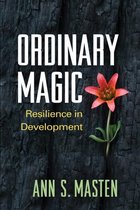
50 Exam Questions: “Ordinary Magic: Resilience in Development” by Ann S. Masten
(with answer key below)
1. What is resilience, as defined by Ann Masten in *Ordinary Magic*?
- a) An innate quality some individuals are born with
- b) The capacity to adapt successfully to disturbances that threaten function or development
- c) A trait exclusive to children from stable families
- d) An effect of therapeutic intervention
2. The term "ordinary magic" in the context of resilience research implies:
- a) Resilience is a rare and unique phenomenon
- b) Resilience stems from common adaptive systems in human development
- c) Resilience requires exceptional resources and abilities
- d) Resilience occurs only in extraordinary individuals
3. Which term describes children who demonstrate success despite high-risk environments?
- a) Stress-resistant children
- b) Invincible youth
- c) High-achievers
- d) Ordinary youth
4. The concept of a "short list" in resilience studies refers to:
- a) The minimal characteristics of resilient individuals
- b) A set of protective factors commonly found in resilient individuals
- c) The few high-achievers in low-resource settings
- d) Factors linked only to academic success
5. The first wave of resilience research was primarily focused on:
- a) Developing preventive interventions
- b) Describing and measuring resilience
- c) Testing neurobiological components of resilience
- d) Promoting resilience in high-risk youth
6. The second wave of resilience research introduced a focus on:
- a) The specific processes of resilience
- b) Cultural differences in resilience
- c) Genetic determinants of resilience
- d) Global policy for resilience
7. The Project Competence Longitudinal Study (PCLS) primarily investigated:
- a) Development of psychopathology
- b) Stress-resistant children and competence despite adversity
- c) Neurobiological factors in resilience
- d) School-based resilience programs
, 8. In resilience science, "adaptive systems" refer to:
- a) Systems that support biological survival only
- b) Mechanisms exclusively developed in childhood
- c) Essential protective systems that support adaptation and resilience
- d) Artificial systems created for developmental studies
9. Which model explains how genetic and environmental factors may interact to influence
resilience?
- a) Differential susceptibility model
- b) Environmental resilience model
- c) Cultural competence model
- d) Behavioral adaptation model
10. An example of a fundamental adaptive system is:
- a) Financial wealth
- b) Secure attachment relationships
- c) High IQ
- d) Access to exclusive resources
11. Which of the following is NOT considered a major wave of resilience science?
- a) Descriptive phase focusing on defining resilience
- b) Genetic intervention phase
- c) Process-oriented phase
- d) Intervention-focused phase
12. According to Masten, the term “ordinary magic” emphasizes that resilience is:
- a) An extraordinary trait in few individuals
- b) Uncommon in most societies
- c) Rooted in everyday systems and supports
- d) Derived mainly from educational programs
13. Differential susceptibility suggests that:
- a) Everyone has an equal ability to adapt to adversity
- b) Certain individuals are more sensitive to both positive and negative environments
- c) Children from low-risk backgrounds are naturally more resilient
- d) Environmental influences are less significant than genetic factors
14. According to the book, protective factors are often:
- a) Universal and consistent across all contexts
- b) Dependent on specific individual and contextual variables
- c) Found only in low-risk settings
- d) Always related to socioeconomic status
(with answer key below)
1. What is resilience, as defined by Ann Masten in *Ordinary Magic*?
- a) An innate quality some individuals are born with
- b) The capacity to adapt successfully to disturbances that threaten function or development
- c) A trait exclusive to children from stable families
- d) An effect of therapeutic intervention
2. The term "ordinary magic" in the context of resilience research implies:
- a) Resilience is a rare and unique phenomenon
- b) Resilience stems from common adaptive systems in human development
- c) Resilience requires exceptional resources and abilities
- d) Resilience occurs only in extraordinary individuals
3. Which term describes children who demonstrate success despite high-risk environments?
- a) Stress-resistant children
- b) Invincible youth
- c) High-achievers
- d) Ordinary youth
4. The concept of a "short list" in resilience studies refers to:
- a) The minimal characteristics of resilient individuals
- b) A set of protective factors commonly found in resilient individuals
- c) The few high-achievers in low-resource settings
- d) Factors linked only to academic success
5. The first wave of resilience research was primarily focused on:
- a) Developing preventive interventions
- b) Describing and measuring resilience
- c) Testing neurobiological components of resilience
- d) Promoting resilience in high-risk youth
6. The second wave of resilience research introduced a focus on:
- a) The specific processes of resilience
- b) Cultural differences in resilience
- c) Genetic determinants of resilience
- d) Global policy for resilience
7. The Project Competence Longitudinal Study (PCLS) primarily investigated:
- a) Development of psychopathology
- b) Stress-resistant children and competence despite adversity
- c) Neurobiological factors in resilience
- d) School-based resilience programs
, 8. In resilience science, "adaptive systems" refer to:
- a) Systems that support biological survival only
- b) Mechanisms exclusively developed in childhood
- c) Essential protective systems that support adaptation and resilience
- d) Artificial systems created for developmental studies
9. Which model explains how genetic and environmental factors may interact to influence
resilience?
- a) Differential susceptibility model
- b) Environmental resilience model
- c) Cultural competence model
- d) Behavioral adaptation model
10. An example of a fundamental adaptive system is:
- a) Financial wealth
- b) Secure attachment relationships
- c) High IQ
- d) Access to exclusive resources
11. Which of the following is NOT considered a major wave of resilience science?
- a) Descriptive phase focusing on defining resilience
- b) Genetic intervention phase
- c) Process-oriented phase
- d) Intervention-focused phase
12. According to Masten, the term “ordinary magic” emphasizes that resilience is:
- a) An extraordinary trait in few individuals
- b) Uncommon in most societies
- c) Rooted in everyday systems and supports
- d) Derived mainly from educational programs
13. Differential susceptibility suggests that:
- a) Everyone has an equal ability to adapt to adversity
- b) Certain individuals are more sensitive to both positive and negative environments
- c) Children from low-risk backgrounds are naturally more resilient
- d) Environmental influences are less significant than genetic factors
14. According to the book, protective factors are often:
- a) Universal and consistent across all contexts
- b) Dependent on specific individual and contextual variables
- c) Found only in low-risk settings
- d) Always related to socioeconomic status