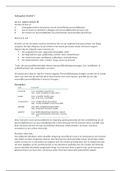
Test Bank For Urinary System Anatomy and Physiology With Diagrams.
Welcome to the fascinating world of the Urinary System Anatomy and Physiology tailored for
nurses. As the body’s vital system for filtering and expelling waste, understanding its intricate
workings is crucial for every nurse. Dive in to explore its structures, functions, and importance in
maintaining overall health, ensuring you’re equipped with comprehensive knowledge to provide
the best patient care.
Table of Contents
Functions of the Urinary System
Anatomy of the Urinary System
The Kidneys
Ureters
, Test Bank For Urinary System Anatomy and Physiology With Diagrams.
Urinary Bladder
Urethra
Physiology of the Urinary System
Urine Formation
Characteristics of Urine
Micturition
Age-Related Physiological Changes in the Urinary System
See also
Functions of the Urinary System
The function of the kidneys are as follows:
1. Filter. Every day, the kidneys filter gallons of fluid from the bloodstream.
2. Waste processing. The kidneys then process this filtrate, allowing wastes and excess
ions to leave the body in urine while returning needed substances to the blood in just the
right proportions.
3. Elimination. Although the lungs and the skin also play roles in excretion, the kidneys
bear the major responsibility for eliminating nitrogenous wastes, toxins,
and drugs from the body.
4. Regulation. The kidneys also regulate the blood’s volume and chemical makeup so that
the proper balance between water and salts and between acids and bases is maintained.
5. Other regulatory functions. By producing the enzyme renin, they help regulate blood
pressure, and their hormone erythropoietin stimulates red blood cell production in the
bone marrow.
6. Conversion. Kidney cells also convert vitamin D to its active form.
Anatomy of the Urinary System
The urinary system consists of two kidneys, two ureters, a urinary bladder, and a urethra. The
kidneys alone perform the functions just described and manufacture urine in the process, while
the other organs of the urinary system provide temporary storage reservoirs for urine or serve as
transportation channels to carry it from one body region to another.
Welcome to the fascinating world of the Urinary System Anatomy and Physiology tailored for
nurses. As the body’s vital system for filtering and expelling waste, understanding its intricate
workings is crucial for every nurse. Dive in to explore its structures, functions, and importance in
maintaining overall health, ensuring you’re equipped with comprehensive knowledge to provide
the best patient care.
Table of Contents
Functions of the Urinary System
Anatomy of the Urinary System
The Kidneys
Ureters
, Test Bank For Urinary System Anatomy and Physiology With Diagrams.
Urinary Bladder
Urethra
Physiology of the Urinary System
Urine Formation
Characteristics of Urine
Micturition
Age-Related Physiological Changes in the Urinary System
See also
Functions of the Urinary System
The function of the kidneys are as follows:
1. Filter. Every day, the kidneys filter gallons of fluid from the bloodstream.
2. Waste processing. The kidneys then process this filtrate, allowing wastes and excess
ions to leave the body in urine while returning needed substances to the blood in just the
right proportions.
3. Elimination. Although the lungs and the skin also play roles in excretion, the kidneys
bear the major responsibility for eliminating nitrogenous wastes, toxins,
and drugs from the body.
4. Regulation. The kidneys also regulate the blood’s volume and chemical makeup so that
the proper balance between water and salts and between acids and bases is maintained.
5. Other regulatory functions. By producing the enzyme renin, they help regulate blood
pressure, and their hormone erythropoietin stimulates red blood cell production in the
bone marrow.
6. Conversion. Kidney cells also convert vitamin D to its active form.
Anatomy of the Urinary System
The urinary system consists of two kidneys, two ureters, a urinary bladder, and a urethra. The
kidneys alone perform the functions just described and manufacture urine in the process, while
the other organs of the urinary system provide temporary storage reservoirs for urine or serve as
transportation channels to carry it from one body region to another.