Brein en cognitie 3
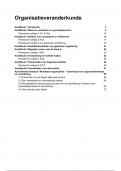
Inhoud
Lecture 1 – introduction.......................................................................................... 3
Cognitive psychology and behavioural research.................................................3
Patient studies..................................................................................................... 4
Manipulating the brain........................................................................................ 4
Brain stimulation:............................................................................................. 4
Pharmacology :................................................................................................ 5
Looking inside the brain...................................................................................... 5
Looking inside – Functional Neuroimaging...........................................................5
Lecture 2 – Perception and Attention (1)................................................................5
The visual cortex................................................................................................. 6
Achromatopsia.................................................................................................... 7
Multisensory Integration...................................................................................... 7
Object recognition............................................................................................... 7
Lecture 3 – Perception and Attention (2)................................................................9
Face perception................................................................................................... 9
Mind reading..................................................................................................... 10
Attention........................................................................................................... 10
Attention: basic concepts.................................................................................. 11
Neural Mechanisms of Attention and perception Selection...............................12
Attention Control Networks............................................................................... 13
Lecture 4 – language I.......................................................................................... 14
CNS techniques: sound recognition...................................................................15
Orthography...................................................................................................... 15
Neural substrates of visual-word processing.....................................................16
Mental Lexicon (brains dictionairy)....................................................................17
Meaning or semantics....................................................................................... 17
Lexical access, selection and integration..........................................................18
Syntax (grammar)............................................................................................. 18
Lecture 5 – Language II........................................................................................ 19
Syntax............................................................................................................... 19
Word production................................................................................................ 19
Lecture 6 – Memory I............................................................................................ 22
Brief anatomy of memory.................................................................................. 22
, Memory deficits................................................................................................. 23
Declarative memory & the medial temporal lobe..............................................23
Studying the hippocampus................................................................................ 24
Encoding vs. retrieval........................................................................................ 25
Familiarity vs. recall....................................................................................... 26
Storing information............................................................................................ 26
Memory consolidation / storage........................................................................26
Lecture 7 – Memory II........................................................................................... 28
Flexible memory................................................................................................ 28
Neurobiology of reconsolidation: editing memory.............................................29
Editing human memories.................................................................................. 29
Neurobiology of reconsolidation II: ECT.............................................................29
EMDR................................................................................................................. 30
Lecture 8 – cognitive control I............................................................................... 31
How do we achieve our goals............................................................................ 31
Lessons from history on thinking about control.................................................31
Anatomy of cognitive control............................................................................ 32
Deficits of Cognitive Control.............................................................................. 32
Maintaining your goal........................................................................................ 33
Define on your goal: value-based decision making...........................................35
Lecture 9 – Cognitive control II............................................................................. 38
Achieving your goal: Goal planning...................................................................38
Stay on track: information selection and filtering..............................................40
Monitor your progress towards your goal..........................................................41
Brain regions summary overview......................................................................42
Wooclap questions and answers........................................................................43
Lecture 10 – Emotions.......................................................................................... 43
Views on emotions............................................................................................ 44
Amygdala.......................................................................................................... 46
Fear................................................................................................................... 47
Lecture 11- Emotions II......................................................................................... 47
Threat learning.................................................................................................. 47
Threat conditioning........................................................................................... 48
What are emotions............................................................................................ 49
Locationism vs. Constructionism.......................................................................51
OFC and decision making.................................................................................. 53
Emotional control and regulation......................................................................53
,Lecture 12 – Perception of self and others............................................................54
The self.............................................................................................................. 55
Trait inferences.................................................................................................. 56
The others......................................................................................................... 56
Lecture 13 – Learning and decision making in a social context............................59
Morality............................................................................................................. 59
Social decision-making: general theories..........................................................60
Lecture 1 – introduction
Cognitive psychology and behavioural research
We don’t directly perceive the world, we interpret incoming information
It’s about top-down believes.
, Mental processing is an information processing challenge:
- Depends on pre-existing internal representations (beliefs, concepts,
desires, perceptions)
- These mental representations undergo transformations.
We try to study these transformations by behavioural experiments, trying to find
out what these representations and transformations are > useful to understand
mental processes and their limitations.
Limitations in information processing also inform us about mental
transformations
But,
- We cannot probe anything that’s not expressed in behaviour
- No insight in how these processes are implemented in the brain
Patient studies
We use patient studies to study the cognitive function of brain region through
brain damage. We study what defect leads to the disability in a patient.
Single vs. Double dissociation > is it because of a deficit or because of the
difficulty of the task?
Tasks have many components. What component leads to the disability in the
patient? > what causes the bad performance?
When we study patients with lesions, we look at which functions will deteriorate
after damage to a particular region. We study the functional role of brain regions
through brain damage.
Patient studies show us what regions are necessary, but they don’t show how a
normal brain works.
Problems in patient studies:
- Damage locations may vary between patients
- Specificity of damage > every brain is different
- There is no control group, it’s hard to conclude a causal link in the absence
of a manipulation
> To conclude causation, we need controlled interventions.
Interventions in patients to assess causality include frontal lobotomy, split brain
and epilepsy source removal. > works because you have a before and an after
(limitation is that patients don’t have a healthy brain to begin with).
Manipulating the brain
Brain stimulation:
TMS (transcranial magnetic stimulation):
- generate artificial reversible lesions or activate parts of the brain.
- Disturb cognitive processes
High temporal precision.
Advantages:
- Subject is their own control group
- Safe and non-invasive
Inhoud
Lecture 1 – introduction.......................................................................................... 3
Cognitive psychology and behavioural research.................................................3
Patient studies..................................................................................................... 4
Manipulating the brain........................................................................................ 4
Brain stimulation:............................................................................................. 4
Pharmacology :................................................................................................ 5
Looking inside the brain...................................................................................... 5
Looking inside – Functional Neuroimaging...........................................................5
Lecture 2 – Perception and Attention (1)................................................................5
The visual cortex................................................................................................. 6
Achromatopsia.................................................................................................... 7
Multisensory Integration...................................................................................... 7
Object recognition............................................................................................... 7
Lecture 3 – Perception and Attention (2)................................................................9
Face perception................................................................................................... 9
Mind reading..................................................................................................... 10
Attention........................................................................................................... 10
Attention: basic concepts.................................................................................. 11
Neural Mechanisms of Attention and perception Selection...............................12
Attention Control Networks............................................................................... 13
Lecture 4 – language I.......................................................................................... 14
CNS techniques: sound recognition...................................................................15
Orthography...................................................................................................... 15
Neural substrates of visual-word processing.....................................................16
Mental Lexicon (brains dictionairy)....................................................................17
Meaning or semantics....................................................................................... 17
Lexical access, selection and integration..........................................................18
Syntax (grammar)............................................................................................. 18
Lecture 5 – Language II........................................................................................ 19
Syntax............................................................................................................... 19
Word production................................................................................................ 19
Lecture 6 – Memory I............................................................................................ 22
Brief anatomy of memory.................................................................................. 22
, Memory deficits................................................................................................. 23
Declarative memory & the medial temporal lobe..............................................23
Studying the hippocampus................................................................................ 24
Encoding vs. retrieval........................................................................................ 25
Familiarity vs. recall....................................................................................... 26
Storing information............................................................................................ 26
Memory consolidation / storage........................................................................26
Lecture 7 – Memory II........................................................................................... 28
Flexible memory................................................................................................ 28
Neurobiology of reconsolidation: editing memory.............................................29
Editing human memories.................................................................................. 29
Neurobiology of reconsolidation II: ECT.............................................................29
EMDR................................................................................................................. 30
Lecture 8 – cognitive control I............................................................................... 31
How do we achieve our goals............................................................................ 31
Lessons from history on thinking about control.................................................31
Anatomy of cognitive control............................................................................ 32
Deficits of Cognitive Control.............................................................................. 32
Maintaining your goal........................................................................................ 33
Define on your goal: value-based decision making...........................................35
Lecture 9 – Cognitive control II............................................................................. 38
Achieving your goal: Goal planning...................................................................38
Stay on track: information selection and filtering..............................................40
Monitor your progress towards your goal..........................................................41
Brain regions summary overview......................................................................42
Wooclap questions and answers........................................................................43
Lecture 10 – Emotions.......................................................................................... 43
Views on emotions............................................................................................ 44
Amygdala.......................................................................................................... 46
Fear................................................................................................................... 47
Lecture 11- Emotions II......................................................................................... 47
Threat learning.................................................................................................. 47
Threat conditioning........................................................................................... 48
What are emotions............................................................................................ 49
Locationism vs. Constructionism.......................................................................51
OFC and decision making.................................................................................. 53
Emotional control and regulation......................................................................53
,Lecture 12 – Perception of self and others............................................................54
The self.............................................................................................................. 55
Trait inferences.................................................................................................. 56
The others......................................................................................................... 56
Lecture 13 – Learning and decision making in a social context............................59
Morality............................................................................................................. 59
Social decision-making: general theories..........................................................60
Lecture 1 – introduction
Cognitive psychology and behavioural research
We don’t directly perceive the world, we interpret incoming information
It’s about top-down believes.
, Mental processing is an information processing challenge:
- Depends on pre-existing internal representations (beliefs, concepts,
desires, perceptions)
- These mental representations undergo transformations.
We try to study these transformations by behavioural experiments, trying to find
out what these representations and transformations are > useful to understand
mental processes and their limitations.
Limitations in information processing also inform us about mental
transformations
But,
- We cannot probe anything that’s not expressed in behaviour
- No insight in how these processes are implemented in the brain
Patient studies
We use patient studies to study the cognitive function of brain region through
brain damage. We study what defect leads to the disability in a patient.
Single vs. Double dissociation > is it because of a deficit or because of the
difficulty of the task?
Tasks have many components. What component leads to the disability in the
patient? > what causes the bad performance?
When we study patients with lesions, we look at which functions will deteriorate
after damage to a particular region. We study the functional role of brain regions
through brain damage.
Patient studies show us what regions are necessary, but they don’t show how a
normal brain works.
Problems in patient studies:
- Damage locations may vary between patients
- Specificity of damage > every brain is different
- There is no control group, it’s hard to conclude a causal link in the absence
of a manipulation
> To conclude causation, we need controlled interventions.
Interventions in patients to assess causality include frontal lobotomy, split brain
and epilepsy source removal. > works because you have a before and an after
(limitation is that patients don’t have a healthy brain to begin with).
Manipulating the brain
Brain stimulation:
TMS (transcranial magnetic stimulation):
- generate artificial reversible lesions or activate parts of the brain.
- Disturb cognitive processes
High temporal precision.
Advantages:
- Subject is their own control group
- Safe and non-invasive