ACTIVE LEARNING TEMPLATE: System Disorder
STUDENT NAME _____________________________________
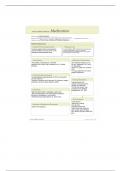
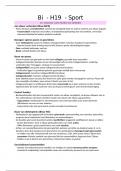
POSTPARTUM HEMORRHAGE
DISORDER/DISEASE PROCESS __________________________________________________________ REVIEW MODULE CHAPTER ___________
Alterations in Pathophysiology Related Health Promotion and
Health (Diagnosis) to Client Problem Disease Prevention
Blood loss of more than 500 mL Uterine atony, trauma, abnormal Controls postpartum
after a vaginal birth, or more than placental attachmentretained placenta
1000 mL after a C-section. fragments, maternal coagulopathy. hemorrhage.
ASSESSMENT SAFETY
CONSIDERATIONS
Risk Factors Expected Findings Active
Uterine atony, overdistende uterus, Uterine atony, blood clots larger then a management of
prolonged labor, oxytocin induced labor, quarter, perineal pad saturation in 15 min the third stage of
high parity, ruptured uterus, placenta or less, tachycardia, hypotension, pallor, labor reduces the
previa, abruptio placentae, lacerations, cold clammy skin, oliguria.
hematomas, DIC risk of a
postpartum
hemorrhage,
implement fall
Laboratory Tests Diagnostic Procedures and seizure
Hgb and HCT, coagulation profile Estimation of blood loss precautions.
(PT), Blood type and crossmatch.
PATIENT-CENTERED CARE Complications
Nursing Care Medications Client Education Hypovolemic
shock, anemia.
Firmly massage the uterine fundus, Oxytocin Limit physical activity to conserve
assess vitals, assess source of strength and to increase iron and
bleeding, fundus height, firmness, and Methylergonevi protein to promote rebuilding
position, assess bladder distension, ne RBC, take iron with vitamin C to
keep IV fluid, give O2 10-12 L/min,
elevate pt. leg to imporve circulation.
Misoprostol enhance absorption.
Carboprost
Thromethamine
Therapeutic Procedures Interprofessional Care
Massage the uterine nurse staff, midwives,
fundus, administered fluid OBGYNs, anesthesia
and blood products, and providers.
medications.
ACTIVE LEARNING TEMPLATES TherapeuTic procedure A11
STUDENT NAME _____________________________________
POSTPARTUM HEMORRHAGE
DISORDER/DISEASE PROCESS __________________________________________________________ REVIEW MODULE CHAPTER ___________
Alterations in Pathophysiology Related Health Promotion and
Health (Diagnosis) to Client Problem Disease Prevention
Blood loss of more than 500 mL Uterine atony, trauma, abnormal Controls postpartum
after a vaginal birth, or more than placental attachmentretained placenta
1000 mL after a C-section. fragments, maternal coagulopathy. hemorrhage.
ASSESSMENT SAFETY
CONSIDERATIONS
Risk Factors Expected Findings Active
Uterine atony, overdistende uterus, Uterine atony, blood clots larger then a management of
prolonged labor, oxytocin induced labor, quarter, perineal pad saturation in 15 min the third stage of
high parity, ruptured uterus, placenta or less, tachycardia, hypotension, pallor, labor reduces the
previa, abruptio placentae, lacerations, cold clammy skin, oliguria.
hematomas, DIC risk of a
postpartum
hemorrhage,
implement fall
Laboratory Tests Diagnostic Procedures and seizure
Hgb and HCT, coagulation profile Estimation of blood loss precautions.
(PT), Blood type and crossmatch.
PATIENT-CENTERED CARE Complications
Nursing Care Medications Client Education Hypovolemic
shock, anemia.
Firmly massage the uterine fundus, Oxytocin Limit physical activity to conserve
assess vitals, assess source of strength and to increase iron and
bleeding, fundus height, firmness, and Methylergonevi protein to promote rebuilding
position, assess bladder distension, ne RBC, take iron with vitamin C to
keep IV fluid, give O2 10-12 L/min,
elevate pt. leg to imporve circulation.
Misoprostol enhance absorption.
Carboprost
Thromethamine
Therapeutic Procedures Interprofessional Care
Massage the uterine nurse staff, midwives,
fundus, administered fluid OBGYNs, anesthesia
and blood products, and providers.
medications.
ACTIVE LEARNING TEMPLATES TherapeuTic procedure A11