lOMoARcPSD|21997160
MRL3702
EXAM PACK
, lOMoARcPSD|21997160
Contents
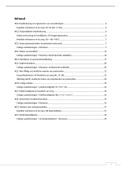
EXAMINATION PACK ................................................................................................... 1
MRL3702 – LABOUR LAW ........................................................................................... 1
MAY/JUNE 2020 ONLINE EXAM ................................................................................... 4
OCTOBER/NOVEMBER 2019 ..................................................................................... 17
MAY/JUNE 2019 .......................................................................................................... 24
OCTOBER/NOVEMBER 2018 (Paper 1) ..................................................................... 32
MRL3702 OCT/NOV 2018 (paper 2) ............................................................................ 39
MRL3702 MAY/JUNE 2018 .......................................................................................... 48
MAY/JUNE 2016 .......................................................................................................... 59
OCT/NOV 2015 ............................................................................................................ 65
MAY/JUNE 2015 .......................................................................................................... 72
, lOMoARcPSD|21997160
MAY/JUNE 2020 ONLINE EXAM
QUESTION 1
i. Sexual harassment
Sexual harassment is an unwelcome conduct of a sexual nature that violates the rights of an
employee, conduct that constitutes a barrier to equity in the workplace, and action based on sex
and/or gender and/or sexual orientation, whether the conduct was unwelcome or not. There are
three types of conducts which constitute sexual harassment and these are: Physical conduct
from touching to sexual assault, rape and strip search by or in the presence of opposite sex;
Verbal conduct innuendoes, suggestions and hints, sexual advances, comments with sexual
overtones, sex-related jokes or insults, comments about a person’s body made to that person or
in their presence, enquiries about a person’s sex life or even whistling at a person or group of
persons; and Non-verbal conduct gestures, indecent exposure or the display of sexually explicit
pictures and objects.
There are also three common types of harassment which include: Quid pro quo harassment a
man/woman is forced into surrendering to sexual advances against his/her will for fear of losing a
job-related benefit such as an increase in salary or promotion. It usually happens in a
relationship of actual power. Sexual favouritism where a person in authority rewards only those
who responds to his/her sexual advances while victimisation occurs where an employee is
victimised or intimidated for failing to submit to sexual advances. Hostile working environment
here an abusive working environment is created. An employee finds it difficult to work under such
environment because of sexual jokes made, sexual propositions or other sexual innuendoes
which are offensive to an employee but not necessarily against him or her personally.
Pornographic pictures on office walls also fall under this type of harassment.
To prove whether sexual harassment is present under any circumstances the conduct has to
attain a certain level or degree of unacceptability. The courts have put forward three tests in
determining the existence of sexual harassment:
Subjective test which includes exclusive reliance on the perceptions of the victim, whether the
victim experienced conduct as unwelcome or offensive then the conduct would constitute
harassment. This test has been criticised for its broader scope of application because the
victim might be over sensitive. A purely subjective test would mean that one would have to
take the complaining employee’s word even though there is no fault on the part of the
, lOMoARcPSD|21997160
employer or perpetrator seen in the context of the nature of the conduct and surrounding
circumstances.
Objective test which focuses on a reasonable person test. This tests focuses on the
circumstances of the case and the values of society. The reasonable person standard tries to
determine whether the perpetrator foresaw or should have reasonably foreseen that his/her
conduct would constitute sexual harassment. This test has been criticised for being too
narrow a test and as such implies reliance on traditionally male dominated values which runs
the constant risk of denying the experience of women in the workplace.
Reasonable victim test trying to reach a compromise between the first two mentioned tests.
Here experiences of the victim are taken into account as well as the surrounding
circumstances and the presence of fault on the part of the perpetrator. The victim and his/her
conduct are placed under scrutiny. The advantage of this test is that no single factor will be
decisive, all the factors surrounding the incident will be considered.
The Code states that sexual harassment is unwelcome conduct of a sexual nature that violates
the rights of an employee and constitutes a barrier in the workplace taking into account the
following factors;
Whether the harassment is on the prohibited grounds of sex and/or gender and/or sexual
orientation
Whether the sexual conduct was unwelcome;
The nature and extent of the sexual conduct; and
The impact of the sexual conduct on the employee (victim).
In Motsamai v Everite Building Products1 it was held that sexual harassment is the most heinous
misconduct that plagues a workplace, it undermines the dignity, integrity and self-worth of the
employee harassed and goes to the root of one’s being and must therefore be viewed from the
victim’s perspective and whether such perspective is a reasonable perception.
Application to the facts
Sexual harassment is present on the facts. Naomi committed verbal sexual harassment by
making sexual related jokes and making unwelcome and inappropriate enquiries about Piet’s sex
life. She also committed Non-verbal forms of sexual harassment by making unwelcome gestures
indecent exposure, and the unwelcome display of her body. All three tests mentioned above may
be employed to reach a decision as to whether sexual harassment is present. Our courts are
1 Motsamai v Everite Building Products (Pty) Ltd [2011] 2 BLLR 144 (LAC) [20].
MRL3702
EXAM PACK
, lOMoARcPSD|21997160
Contents
EXAMINATION PACK ................................................................................................... 1
MRL3702 – LABOUR LAW ........................................................................................... 1
MAY/JUNE 2020 ONLINE EXAM ................................................................................... 4
OCTOBER/NOVEMBER 2019 ..................................................................................... 17
MAY/JUNE 2019 .......................................................................................................... 24
OCTOBER/NOVEMBER 2018 (Paper 1) ..................................................................... 32
MRL3702 OCT/NOV 2018 (paper 2) ............................................................................ 39
MRL3702 MAY/JUNE 2018 .......................................................................................... 48
MAY/JUNE 2016 .......................................................................................................... 59
OCT/NOV 2015 ............................................................................................................ 65
MAY/JUNE 2015 .......................................................................................................... 72
, lOMoARcPSD|21997160
MAY/JUNE 2020 ONLINE EXAM
QUESTION 1
i. Sexual harassment
Sexual harassment is an unwelcome conduct of a sexual nature that violates the rights of an
employee, conduct that constitutes a barrier to equity in the workplace, and action based on sex
and/or gender and/or sexual orientation, whether the conduct was unwelcome or not. There are
three types of conducts which constitute sexual harassment and these are: Physical conduct
from touching to sexual assault, rape and strip search by or in the presence of opposite sex;
Verbal conduct innuendoes, suggestions and hints, sexual advances, comments with sexual
overtones, sex-related jokes or insults, comments about a person’s body made to that person or
in their presence, enquiries about a person’s sex life or even whistling at a person or group of
persons; and Non-verbal conduct gestures, indecent exposure or the display of sexually explicit
pictures and objects.
There are also three common types of harassment which include: Quid pro quo harassment a
man/woman is forced into surrendering to sexual advances against his/her will for fear of losing a
job-related benefit such as an increase in salary or promotion. It usually happens in a
relationship of actual power. Sexual favouritism where a person in authority rewards only those
who responds to his/her sexual advances while victimisation occurs where an employee is
victimised or intimidated for failing to submit to sexual advances. Hostile working environment
here an abusive working environment is created. An employee finds it difficult to work under such
environment because of sexual jokes made, sexual propositions or other sexual innuendoes
which are offensive to an employee but not necessarily against him or her personally.
Pornographic pictures on office walls also fall under this type of harassment.
To prove whether sexual harassment is present under any circumstances the conduct has to
attain a certain level or degree of unacceptability. The courts have put forward three tests in
determining the existence of sexual harassment:
Subjective test which includes exclusive reliance on the perceptions of the victim, whether the
victim experienced conduct as unwelcome or offensive then the conduct would constitute
harassment. This test has been criticised for its broader scope of application because the
victim might be over sensitive. A purely subjective test would mean that one would have to
take the complaining employee’s word even though there is no fault on the part of the
, lOMoARcPSD|21997160
employer or perpetrator seen in the context of the nature of the conduct and surrounding
circumstances.
Objective test which focuses on a reasonable person test. This tests focuses on the
circumstances of the case and the values of society. The reasonable person standard tries to
determine whether the perpetrator foresaw or should have reasonably foreseen that his/her
conduct would constitute sexual harassment. This test has been criticised for being too
narrow a test and as such implies reliance on traditionally male dominated values which runs
the constant risk of denying the experience of women in the workplace.
Reasonable victim test trying to reach a compromise between the first two mentioned tests.
Here experiences of the victim are taken into account as well as the surrounding
circumstances and the presence of fault on the part of the perpetrator. The victim and his/her
conduct are placed under scrutiny. The advantage of this test is that no single factor will be
decisive, all the factors surrounding the incident will be considered.
The Code states that sexual harassment is unwelcome conduct of a sexual nature that violates
the rights of an employee and constitutes a barrier in the workplace taking into account the
following factors;
Whether the harassment is on the prohibited grounds of sex and/or gender and/or sexual
orientation
Whether the sexual conduct was unwelcome;
The nature and extent of the sexual conduct; and
The impact of the sexual conduct on the employee (victim).
In Motsamai v Everite Building Products1 it was held that sexual harassment is the most heinous
misconduct that plagues a workplace, it undermines the dignity, integrity and self-worth of the
employee harassed and goes to the root of one’s being and must therefore be viewed from the
victim’s perspective and whether such perspective is a reasonable perception.
Application to the facts
Sexual harassment is present on the facts. Naomi committed verbal sexual harassment by
making sexual related jokes and making unwelcome and inappropriate enquiries about Piet’s sex
life. She also committed Non-verbal forms of sexual harassment by making unwelcome gestures
indecent exposure, and the unwelcome display of her body. All three tests mentioned above may
be employed to reach a decision as to whether sexual harassment is present. Our courts are
1 Motsamai v Everite Building Products (Pty) Ltd [2011] 2 BLLR 144 (LAC) [20].