Essay: Neural and hormonal influences
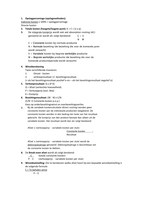
AO1 Neural influences:
- The limbic system: a system of structures
beneath the cortex (comprised of the amygdala,
hippocampus and hypothalamus) associated with
emotional behaviour
- The amygdala is responsible for quickly
evaluating the importance of sensory info to elicit
an appropriate response
- The hippocampus is involved with forming long
term memories so allows an animal to compare a
current threat with a similar past experience – an
impaired hippocampus makes it difficult for the
nervous system to put a threat into context based
on previous experience so can cause the
amygdala to respond inappropriately
- Serotonin exerts a calming effect on neuronal
firing, including the amygdala, where low levels of
serotonin prevent this inhibitory effect from
occurring so aggression is more likely (serotonin
deficiency hypothesis)
Hormonal influences:
- Testosterone produces male sex characteristics
and is thought to be associated with the
prevalence of aggression, as Daly and Wilson for
example found there is an increase in male-on-
male violence when testosterone levels are at
their peak (21-35 years)
AO3 x 1 - Research support for serotonin – Bouvy and Liem
- They found the use of SSRIs, which increase
serotonin levels in the brain, have been found to
reduce displays of aggression
- Therefore supports the neural influence of
serotonin, and implies a deficit leads to
aggression
AO3 x 2 - Support for testosterone in context of violent
crime – Dabbs
- Prisoners who had committed violent crimes were
found to have higher testosterone levels than
those who had committed petty crimes like theft,
where the high T prisoners also violated more
rules in the prison
- Shows the influence of testosterone on violent
behaviour
AO3 x 3 - Correlation rather than causation
- Testosterone studies for example never
conclusively prove a certain relationship between
aggression and testosterone, meaning it could be
, coincidental rather than cause and effect
AO3 x 4 - Neural and hormonal influences ignore social
factors
- E.g. upbringing, education, substance abuse etc.
are likely to influence aggression, which are
ignored by biological influences, making it
biologically reductionist
Essay: Genetic factors in aggression
AO1 - Genetic factors: the theory that aggression is
caused by a person’s inherited genetic make-up –
assumes aggression has been inherited due to it’s
evolutionary advantage
- Twin studies: if there is a degree of similarity of
aggression in MZ twins, a genetic factor is implied
as 100% of genes are shared
- Adoption studies: helps to untangle genetic and
environmental contributors to aggressive
behaviour – a study in Denmark found a
significant amount of male adoptees with a
criminally convicted father also had criminal
convictions themselves – genetic implied
- Miles and Carey: did a meta-analysis of 24 twin
and adoption studies and found genetic influences
could account for 50% of aggressive variance
- MAOA (monoamine oxidase A):
- The role of MAOA: regulates the metabolism of
serotonin in the brain – Brunner et al found
aggressive males in a Dutch family all had
abnormally low MAOA levels
- The warrior gene: MAOA-L is more frequent in
populations with a history of warfare (up to 2/3 of
a population may have the MAOA-L variation)
while only 1/3 of people in Western populations
have MAOA-L
AO3 x 1 - Scientific methodology to identify factors
- For example, DNA analysis has been performed on
people to identify the MAOA-L gene, meaning this
process is highly objective and can be performed
by blind researchers to increase the reliability
- Links are therefore high in validity
AO3 x 2 - Support from twin studies – Christiansen
- Found a 35% concordance rate for aggression in
MZ twins but only 13% in DZ twins, therefore
proving genes are influential to a considerable
extent
- Though concordance is not 100% meaning other
factors must also contribute
AO3 x 3 - The diathesis stress model – Rhee and Waldman
AO1 Neural influences:
- The limbic system: a system of structures
beneath the cortex (comprised of the amygdala,
hippocampus and hypothalamus) associated with
emotional behaviour
- The amygdala is responsible for quickly
evaluating the importance of sensory info to elicit
an appropriate response
- The hippocampus is involved with forming long
term memories so allows an animal to compare a
current threat with a similar past experience – an
impaired hippocampus makes it difficult for the
nervous system to put a threat into context based
on previous experience so can cause the
amygdala to respond inappropriately
- Serotonin exerts a calming effect on neuronal
firing, including the amygdala, where low levels of
serotonin prevent this inhibitory effect from
occurring so aggression is more likely (serotonin
deficiency hypothesis)
Hormonal influences:
- Testosterone produces male sex characteristics
and is thought to be associated with the
prevalence of aggression, as Daly and Wilson for
example found there is an increase in male-on-
male violence when testosterone levels are at
their peak (21-35 years)
AO3 x 1 - Research support for serotonin – Bouvy and Liem
- They found the use of SSRIs, which increase
serotonin levels in the brain, have been found to
reduce displays of aggression
- Therefore supports the neural influence of
serotonin, and implies a deficit leads to
aggression
AO3 x 2 - Support for testosterone in context of violent
crime – Dabbs
- Prisoners who had committed violent crimes were
found to have higher testosterone levels than
those who had committed petty crimes like theft,
where the high T prisoners also violated more
rules in the prison
- Shows the influence of testosterone on violent
behaviour
AO3 x 3 - Correlation rather than causation
- Testosterone studies for example never
conclusively prove a certain relationship between
aggression and testosterone, meaning it could be
, coincidental rather than cause and effect
AO3 x 4 - Neural and hormonal influences ignore social
factors
- E.g. upbringing, education, substance abuse etc.
are likely to influence aggression, which are
ignored by biological influences, making it
biologically reductionist
Essay: Genetic factors in aggression
AO1 - Genetic factors: the theory that aggression is
caused by a person’s inherited genetic make-up –
assumes aggression has been inherited due to it’s
evolutionary advantage
- Twin studies: if there is a degree of similarity of
aggression in MZ twins, a genetic factor is implied
as 100% of genes are shared
- Adoption studies: helps to untangle genetic and
environmental contributors to aggressive
behaviour – a study in Denmark found a
significant amount of male adoptees with a
criminally convicted father also had criminal
convictions themselves – genetic implied
- Miles and Carey: did a meta-analysis of 24 twin
and adoption studies and found genetic influences
could account for 50% of aggressive variance
- MAOA (monoamine oxidase A):
- The role of MAOA: regulates the metabolism of
serotonin in the brain – Brunner et al found
aggressive males in a Dutch family all had
abnormally low MAOA levels
- The warrior gene: MAOA-L is more frequent in
populations with a history of warfare (up to 2/3 of
a population may have the MAOA-L variation)
while only 1/3 of people in Western populations
have MAOA-L
AO3 x 1 - Scientific methodology to identify factors
- For example, DNA analysis has been performed on
people to identify the MAOA-L gene, meaning this
process is highly objective and can be performed
by blind researchers to increase the reliability
- Links are therefore high in validity
AO3 x 2 - Support from twin studies – Christiansen
- Found a 35% concordance rate for aggression in
MZ twins but only 13% in DZ twins, therefore
proving genes are influential to a considerable
extent
- Though concordance is not 100% meaning other
factors must also contribute
AO3 x 3 - The diathesis stress model – Rhee and Waldman