

NSG 511 PHARM. EXAM 5
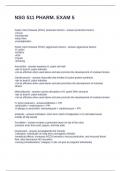
Peptic Ulcer Disease (PUD): protective factors - answer protective factors:
-mucus
-bicarbonate
-blood flow
-prostaglandins
Peptic Ulcer Disease (PUD): aggressive factors - answer aggressive factors
-H. pylori
-NSAIDs
-Acid
-Pepsin
-Smoking
Amoxicillin - answer-weakens H. pylori cell wall
-abx to treat H. pylori infection
-not as effective when used alone and also promote the development of resistant strains
Clarithromycin - answer-macrolide that inhibits H/ pylori protein synthesis
-abx to treat H. pylori infection
-not as effective when used alone and also promotes the development of resistant
strains
Metronidazole - answer-causes disruption of H. pylori DNA structure
-abx to treat H. pylori infection
-not as effective when used alone and also promote the development of resistant strains
H. pylori treatment - answerantibiotics + PPI
-amoxicillin + erythromycin + PPI
-if allergic to amoxicillin, metronidazole + clarithromycin + PPI
antiacids - answer-indication: short-term relief of indigestion or to stimulate bowel
motility (if Mg based)
Sucralfate - answer-creates a protective layer on top of the ulcer
-protects ulcer from acid, pepsin, and bile salts
misoprostol - answer-prostaglandin E2 mimetic
-indication: individuals on long-term ulcerogenic NSAIDs
-beneficial effects: increases HCO3 secretion, mucus production, and mucosal blood
flow. Also decreases HCl secretion
-nursing considerations: category X (do not give to pregnant individuals)
, constipation - answerhard, infrequent bowel movements
normal bowel elimination - answer-passage of soft formed stool on a highly
individualized schedule
-requires food, fluids, fiber, and colon peristalsis
Psyllium (Metamucil) - answer-bulk forming
-absorbs water and bulks up stool
-very similar effect to non-digestible dietary fibers
-takes days to work
Docusate sodium (Colace) - answer-surfactant
-lowers the surface tension of the stool which promotes water penetration of the stool
-takes days to work
Bisocodyl and Senna - answer-stimulant
-stimulate bowel motility and increase water secretion into the colon
-uses: opioid-induced constipation and slow intestinal transit
-rapid action! (usually within 6-12H) and stool is often liquid
-commonly abused
sodium phosphate (fleets phospha-soda) and milk of magnesia - answer-salt
-draw water into the colon along a concentration gradient
nursing considerations
-some salt absorption occurs which makes this drug problematic in heart and renal
failure patients
-rapid onset (2-6H)
miralax - answer-polyethylene glycol
-non-absorbable compound that draws water into the colon along a concentration
gradient
-delayed effect (2-4 days)
Constipation- nursing considerations - answer-assess normal bowel pattern
-assess causes of constipation
-encourage foods and fluids that stimulate the colon
-common issues
---esophageal obstruction from bulks if not mixed with sufficient fluid
---dehydration with osmotics
---abuse of stimulants
nausea and vomiting treatment - answermostly directed at blocking the chemoreceptor
trigger zone in the CNS
Peptic Ulcer Disease (PUD): protective factors - answer protective factors:
-mucus
-bicarbonate
-blood flow
-prostaglandins
Peptic Ulcer Disease (PUD): aggressive factors - answer aggressive factors
-H. pylori
-NSAIDs
-Acid
-Pepsin
-Smoking
Amoxicillin - answer-weakens H. pylori cell wall
-abx to treat H. pylori infection
-not as effective when used alone and also promote the development of resistant strains
Clarithromycin - answer-macrolide that inhibits H/ pylori protein synthesis
-abx to treat H. pylori infection
-not as effective when used alone and also promotes the development of resistant
strains
Metronidazole - answer-causes disruption of H. pylori DNA structure
-abx to treat H. pylori infection
-not as effective when used alone and also promote the development of resistant strains
H. pylori treatment - answerantibiotics + PPI
-amoxicillin + erythromycin + PPI
-if allergic to amoxicillin, metronidazole + clarithromycin + PPI
antiacids - answer-indication: short-term relief of indigestion or to stimulate bowel
motility (if Mg based)
Sucralfate - answer-creates a protective layer on top of the ulcer
-protects ulcer from acid, pepsin, and bile salts
misoprostol - answer-prostaglandin E2 mimetic
-indication: individuals on long-term ulcerogenic NSAIDs
-beneficial effects: increases HCO3 secretion, mucus production, and mucosal blood
flow. Also decreases HCl secretion
-nursing considerations: category X (do not give to pregnant individuals)
, constipation - answerhard, infrequent bowel movements
normal bowel elimination - answer-passage of soft formed stool on a highly
individualized schedule
-requires food, fluids, fiber, and colon peristalsis
Psyllium (Metamucil) - answer-bulk forming
-absorbs water and bulks up stool
-very similar effect to non-digestible dietary fibers
-takes days to work
Docusate sodium (Colace) - answer-surfactant
-lowers the surface tension of the stool which promotes water penetration of the stool
-takes days to work
Bisocodyl and Senna - answer-stimulant
-stimulate bowel motility and increase water secretion into the colon
-uses: opioid-induced constipation and slow intestinal transit
-rapid action! (usually within 6-12H) and stool is often liquid
-commonly abused
sodium phosphate (fleets phospha-soda) and milk of magnesia - answer-salt
-draw water into the colon along a concentration gradient
nursing considerations
-some salt absorption occurs which makes this drug problematic in heart and renal
failure patients
-rapid onset (2-6H)
miralax - answer-polyethylene glycol
-non-absorbable compound that draws water into the colon along a concentration
gradient
-delayed effect (2-4 days)
Constipation- nursing considerations - answer-assess normal bowel pattern
-assess causes of constipation
-encourage foods and fluids that stimulate the colon
-common issues
---esophageal obstruction from bulks if not mixed with sufficient fluid
---dehydration with osmotics
---abuse of stimulants
nausea and vomiting treatment - answermostly directed at blocking the chemoreceptor
trigger zone in the CNS

