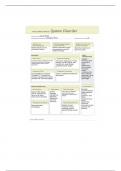
ACTIVE LEARNING TEMPLATE: System Disorder
Jessica Willard
STUDENT NAME _____________________________________
Cardiogenic Shock
DISORDER/DISEASE PROCESS __________________________________________________________ 30
REVIEW MODULE CHAPTER ___________
Alterations in Pathophysiology Related Health Promotion and
Health (Diagnosis) to Client Problem Disease Prevention
Marked reduction in CO Failure of the heart to pump Stress the importance of
and ejection fraction. enough blood to meet O2 diet and exercise
needs of the body
ASSESSMENT SAFETY
CONSIDERATIONS
Risk Factors Expected Findings Establish
MI causing extensive damage to the left Confusion, restlessness, mental continuous ECG
ventricular myocardium.End stage lethargy, low BP, oliguria, cold monitoring to
cardiomyopathy, severe valvular detect
clammy skin, weak thready
dysfunction
peripheral pulses, fatigue dysrhythmias,
which increase
myocardial
oxygen
Laboratory Tests Diagnostic Procedures consumption.Be
Elevated BUN and creatinine, Chest x-rayAltered hemodynamic alert to adverse
increased PTT, elevated liver parameters responses to drug
enzymes, elevated serum lactate, therapy.Obtain
elevated brain natriuretic peptide. daily weight
PATIENT-CENTERED CARE Complications
Nursing Care Medications Client Education Nerologic
impairment/stroke,
Maintain MAP greater positive Teach signs of impending
heart failureTeach the
acute respiratory
than 70. Measure and inotropes distress
importance of modification of
record urine output. (epinephrine, lifestyle syndrome, renal
Check serum electrolyte dopamine, failure,
dobutamine, cardiopulmonary
amrinone, arrest,
milrinone) dysrhythmia,
Therapeutic Procedures Interprofessional Care
ventricular
Revascularization, Dietician consult, anneurysm, bowel
thrombolytics, nutritionist consult, ischema, limb
cardiology consult, ischemia
physical therapy consult
ACTIVE LEARNING TEMPLATES
Jessica Willard
STUDENT NAME _____________________________________
Cardiogenic Shock
DISORDER/DISEASE PROCESS __________________________________________________________ 30
REVIEW MODULE CHAPTER ___________
Alterations in Pathophysiology Related Health Promotion and
Health (Diagnosis) to Client Problem Disease Prevention
Marked reduction in CO Failure of the heart to pump Stress the importance of
and ejection fraction. enough blood to meet O2 diet and exercise
needs of the body
ASSESSMENT SAFETY
CONSIDERATIONS
Risk Factors Expected Findings Establish
MI causing extensive damage to the left Confusion, restlessness, mental continuous ECG
ventricular myocardium.End stage lethargy, low BP, oliguria, cold monitoring to
cardiomyopathy, severe valvular detect
clammy skin, weak thready
dysfunction
peripheral pulses, fatigue dysrhythmias,
which increase
myocardial
oxygen
Laboratory Tests Diagnostic Procedures consumption.Be
Elevated BUN and creatinine, Chest x-rayAltered hemodynamic alert to adverse
increased PTT, elevated liver parameters responses to drug
enzymes, elevated serum lactate, therapy.Obtain
elevated brain natriuretic peptide. daily weight
PATIENT-CENTERED CARE Complications
Nursing Care Medications Client Education Nerologic
impairment/stroke,
Maintain MAP greater positive Teach signs of impending
heart failureTeach the
acute respiratory
than 70. Measure and inotropes distress
importance of modification of
record urine output. (epinephrine, lifestyle syndrome, renal
Check serum electrolyte dopamine, failure,
dobutamine, cardiopulmonary
amrinone, arrest,
milrinone) dysrhythmia,
Therapeutic Procedures Interprofessional Care
ventricular
Revascularization, Dietician consult, anneurysm, bowel
thrombolytics, nutritionist consult, ischema, limb
cardiology consult, ischemia
physical therapy consult
ACTIVE LEARNING TEMPLATES