100% de satisfacción garantizada Inmediatamente disponible después del pago Tanto en línea como en PDF No estas atado a nada 4.2 TrustPilot
logo-home
Examen

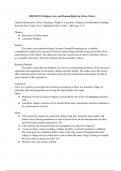
MNM3709 ASSIGNMENT 3 (ANSWERS) SEMESTER 2 2024 - DUE 1 OCTOBER 2024.

Puntuación
-
Vendido
-
Páginas
8
Grado
A+
Subido en
19-09-2024
Escrito en
2024/2025

QUESTION 1 Porter’s model identifies three main generic strategies for creating competitive advantage: cost leadership, differentiation, and focus. Each strategy allows companies to leverage their strengths and outperform competitors by optimizing cost, enhancing unique offerings, or targeting specific market segments. Below, we evaluate these strategies with practical examples of how OBC Chicken and Meat has used them to establish a sustainable competitive advantage. Cost Leadership Cost leadership involves becoming the lowest-cost producer in an industry, enabling the company to offer products at lower prices than competitors while maintaining profitability. OBC Chicken and Meat exemplifies this strategy by maintaining a lowcost structure through bulk purchasing, efficient supply chains, and optimized distribution centers. These practices allow OBC to offer competitively priced meat and chicken products that attract budget-conscious consumers, particularly in lower Living Standards Measure (LSM) market segments (Wiid et al., 2020). Differentiation Differentiation focuses on creating products or services that are perceived as unique by consumers. OBC has implemented this strategy by maintaining high standards in store cleanliness, advanced refrigeration technology, and excellent customer service. The brand has also expanded its product range to include fish, processed meats, and dairy, providing a unique shopping experience for customers who associate OBC with quality and freshness. This differentiation approach has allowed OBC to build a strong brand identity, recognized as “Ekhaya Lenkukhu” (The home of chicken) (Wiid et al., 2024). Focus Strategy The focus strategy involves targeting a specific niche or market segment and tailoring products or services to meet the needs of that particular group. OBC employs this strategy by concentrating on the lower-income consumer market, particularly in townships, commuter zones, and city centers. By strategically positioning stores near transport hubs and catering to the needs of mass-market commuters, OBC has effectively captured a loyal customer base that values affordability and convenience

Mostrar más Leer menos
Institución
Grado


Ups! No podemos cargar tu documento ahora. Inténtalo de nuevo o contacta con soporte.

Libro relacionado

Escuela, estudio y materia

Institución
Grado

Información del documento

Subido en
19 de septiembre de 2024
Número de páginas
8
Escrito en
2024/2025
Tipo
Examen
Contiene
Preguntas y respuestas

Temas

Vista previa del contenido

MNM3709 ASSIGNMENT 3 (ANSWERS)
SEMESTER 2 2024 - DUE 1 OCTOBER 2024

, Course
Strategic Marketing (MNM3709)
Institution
University Of South Africa (Unisa)
Book
Strategic marketing


Q1


Porter’s Generic Strategies for Gaining Competitive Edge


Porter’s framework outlines three core strategies for achieving competitive advantage: cost

leadership, differentiation, and focus. These approaches enable businesses to leverage their

strengths, outperform rivals, and create a sustainable edge by minimizing costs, offering

distinctive products, or targeting specific market segments. Below is an analysis of how OBC

Chicken and Meat has effectively applied these strategies to secure its competitive position.


Cost Leadership Strategy


The cost leadership strategy involves becoming the lowest-cost producer in the market, allowing

a company to offer products at lower prices than competitors while still remaining profitable. OBC

Chicken and Meat effectively uses this approach by maintaining a cost-efficient structure through

bulk buying, streamlined supply chains, and optimized distribution channels. These efficiencies

enable OBC to provide competitively priced chicken and meat products, appealing especially to

budget-conscious consumers in lower Living Standards Measure (LSM) groups (Wiid et al.,

2020).
$3.08
Accede al documento completo:

100% de satisfacción garantizada
Inmediatamente disponible después del pago
Tanto en línea como en PDF
No estas atado a nada

Conoce al vendedor

Seller avatar
Los indicadores de reputación están sujetos a la cantidad de artículos vendidos por una tarifa y las reseñas que ha recibido por esos documentos. Hay tres niveles: Bronce, Plata y Oro. Cuanto mayor reputación, más podrás confiar en la calidad del trabajo del vendedor.
PacesetterUNISA Teachme2-tutor
Seguir Necesitas iniciar sesión para seguir a otros usuarios o asignaturas
Vendido
172
Miembro desde
1 año
Número de seguidores
37
Documentos
466
Última venta
3 semanas hace

3.7

23 reseñas

5
11
4
2
3
5
2
1
1
4

Recientemente visto por ti

Por qué los estudiantes eligen Stuvia

Creado por compañeros estudiantes, verificado por reseñas

Calidad en la que puedes confiar: escrito por estudiantes que aprobaron y evaluado por otros que han usado estos resúmenes.

¿No estás satisfecho? Elige otro documento

¡No te preocupes! Puedes elegir directamente otro documento que se ajuste mejor a lo que buscas.

Paga como quieras, empieza a estudiar al instante

Sin suscripción, sin compromisos. Paga como estés acostumbrado con tarjeta de crédito y descarga tu documento PDF inmediatamente.

Student with book image

“Comprado, descargado y aprobado. Así de fácil puede ser.”

Alisha Student

Preguntas frecuentes