SUMMARY QUALITATIVE METHODS IN
MEDIA & COMMUNICATION
COURSE: CM2006
YEAR: 2019
1
,TABLE OF CONTENTS
WEEK 1.......................................................................................................................................................... 3
CHAPTER 1: GETTING STARTED - QUALITATIVE RESEARCH METHODS FOR MEDIA STUDIES ......................................................3
CHAPTER 2: DOING QUALITATIVE RESEARCH - QUALITATIVE RESEARCH METHODS FOR MEDIA STUDIES.....................................6
ETHICS IN QUALITATIVE RESEARCH – UWE FLICK 2011.................................................................................................10
WEEK 2:....................................................................................................................................................... 12
CHAPTER 7: ETHNOGRAPHY AND PARTICIPANT OBSERVATION - QUALITATIVE RESEARCH METHODS FOR MEDIA STUDIES............12
OBSERVATIONAL RESEARCH – MCKECHNIE 2008.........................................................................................................15
MY FRESHMAN YEAR. WHAT A PROFESSOR LEARNED BY BECOMING A STUDENT – R. NATHAN.............................................17
WEEK 3........................................................................................................................................................ 19
QUALITATIVE INTERVIEWS & SAMPLING – DUMITRICA & PRIDMORE................................................................................19
WEEK 4........................................................................................................................................................ 23
FOCUS GROUPS – DUMITRICA & PRIDMORE................................................................................................................23
WEEK 5........................................................................................................................................................ 27
WHAT IS CASE STUDY RESEARCH? – J.D. FRAQUHAR.....................................................................................................27
A CASE IN CASE STUDY METHODOLOGY – C.B. MEYER..................................................................................................29
WORKING WITH TEXTUAL AND MATERIAL DATA – DUMITRICA & PRIDMORE.....................................................................32
WEEK 6........................................................................................................................................................ 35
DATA ANALYSIS AND INTERPRETATION: INTRODUCTION – DUMITRICA & PRIDMORE...........................................................35
WEEK 7........................................................................................................................................................ 38
NARRATIVE ANALYSIS, THEMATIC ANALYSIS, CONSTRUCTIVIST GROUNDED THEORY & DISCOURSE ANALYSIS – DUMITRICA &
PRIDMORE.............................................................................................................................................................38
WEEK 8........................................................................................................................................................ 43
WRITING AND ASSESSING QUALITATIVE RESEARCH – DUMITRICA & PRIDMORE..................................................................43
2
,Week 1
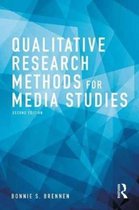
Chapter 1: Getting started - Qualitative research methods for media
studies
It is through our use of language that we make meaning and construct our own social
realities. Because language is a fundamental part of all qualitative analysis, it is
important to use the correct words to describe aspects of the qualitative research
process.
Quantitative research Qualitative research
Systematic, precise and accurate Interdisciplinary & interpretative
Tries to determine validity, reliability, Political and theoretical in nature
objectivity and truth
Attempts to isolate specific elements Attempts to create a sense of the larger
realm of human relationships
Uses numbers and numerical correlations Meaningful relations to be interpreted
within value-free environments to
measure and analyze the causal
relationship between variables
Often considered more authentic,
important and scientific
It is important to consider the notion of transparency. When researchers openly describe
their theoretical foundation and research strategies, along with the basis for their
decisions, intentions and motivations, readers become aware of the potential uses and
implications of the research. No matter what qualitative method researchers use, their
choice of method is based on the questions they wish to ask, the specific historical
context that relates to their questions as well as the theoretical framework they plan to
use for their research.
Triangulation = the use of multiple methods to increase the rigor of their analysis and
to develop in-depth understandings of social experience.
Qualitative researchers consider the diversity of meanings and values created in media.
Rather than focusing on media effects or influences, they attempt to understand the
many relationships that exist within media and society.
the development of qualitative research
Although much of the early journalism and mass communication research was influenced
by pragmatism and framed from a cultural and historical understanding of
communication, by the 1940s political scientists, sociologist and social psychologists were
making important contributions to media research using quantitative social-scientific
methodologies.
Hanno Hardt (1992) Critical cultural theorist
found that the conceptualization of the field communication as a behavioral science
encouraged an emphasis on methodological concerns such as sampling, measurement,
research design and instrumentation, which tended to overshadow considerations of
theoretical issues regarding the role of media and communication within society.
Neil Postman maintained that attempts to understand human feelings and behavior
should not be considered science because it was difficult to show cause-and-effect
relationships within human behavior. Although researchers were unable to prove or
disprove interpretation of human experience, Postman suggested that the more insightful
research in media drew its relevance and strength from the power of its language, the
depth of its explanations, the relevance of its examples and the credibility of its theme.
3
, By the end of the 20th century, qualitative methodologies had been fully integrated into
the realm of communication and media studies.
Although, there are still some social science researcher who remain hostile to the use of
qualitative research methods in media and communication research. Some of these
researchers see qualitative research as an attack on reason and truth.
In our current digital age, students and media researchers often have fascination with
data, which they see as facts, statistics and/or information that can be collected together
to calculate, analyze and plan things. They envision data as neutral, objective, authentic
and/or truthful and maintain that it exists independent of observation and outside of
human interpretation.
Conceptual orientations
Paradigms= provide a set of views and beliefs that researchers use to guide their work.
An understanding of paradigms is a particular importance to qualitative researchers
because they often find methodological questions of secondary importance to the larger
philosophical issues and questions.
When we think about different research paradigms, there are 3 conceptual elements:
1. Epistemology: how do we know the world?
2. Ontology: raises basic questions about the nature of reality
3. Methodology: focuses on how we gain knowledge about the world
For qualitative researchers, each of these elements influences the methods that they
choose to use in distinct and significant ways.
Some scholars find it difficult to create a single qualitative paradigm that represents a
specific worldview and trajectory for qualitative research perspectives and traditions.
These researchers prefer to see qualitative research not as a paradigm but instead as an
interdisciplinary theoretical response to, and a reaction against, quantitative social
research.
Guba & Lincoln maintained that qualitative research is not a unique paradigm but
rather is influenced by several distinct paradigms, including positivism, Post-positivism,
critical theories and constructivism. Each of these paradigms is thought to provide
specific values and principles that guide all of our research strategies and activities.
Positivism paradigm = remains the dominant paradigm of the physical and social
sciences. Positivists consider reality to exist and scientific truth to be knowable and
findable through rigorous testing that is free from human bias. The aim of inquiry for
positivism focuses on explanation, prediction and control while knowledge accumulates
as factual building blocks in the form of generalizations or cause-effect linkages.
the value of research is determined through internal validity = the extent to which the
findings can be generalized and related to similar studies.
the reliability = the extent to which the findings can be reproduced or replicated by
another researcher, as well as the objectivity, as well as the lack of bias, are also central
considerations in evaluating the value of research.
Post-positivist paradigm = quite similar to positivism, however, it responds to recent
criticism of positivism in a few key areas. Post-positivists consider that because people
are flawed, they may not be able to actually understand it. While positivists seek to verify
their hypothesis, post-positivists use a variety of experimental methods, in an effort to
falsify their hypothesis.
internal & external validity in consideration in evaluating the value of research
reliability & objectivity in consideration in evaluating the value of research
Constructivism = represents a theoretical shift regarding the concept of reality from
realism to relativism. Constructivists lean toward an anti-foundational understanding of
truth, rejecting any permanent “standards by which truth can be universally known”.
Critical theorists consider reality and truth to be shaped by specific historical, cultural,
racial, gender, political and economic conditions, values and structures. In their research
4
MEDIA & COMMUNICATION
COURSE: CM2006
YEAR: 2019
1
,TABLE OF CONTENTS
WEEK 1.......................................................................................................................................................... 3
CHAPTER 1: GETTING STARTED - QUALITATIVE RESEARCH METHODS FOR MEDIA STUDIES ......................................................3
CHAPTER 2: DOING QUALITATIVE RESEARCH - QUALITATIVE RESEARCH METHODS FOR MEDIA STUDIES.....................................6
ETHICS IN QUALITATIVE RESEARCH – UWE FLICK 2011.................................................................................................10
WEEK 2:....................................................................................................................................................... 12
CHAPTER 7: ETHNOGRAPHY AND PARTICIPANT OBSERVATION - QUALITATIVE RESEARCH METHODS FOR MEDIA STUDIES............12
OBSERVATIONAL RESEARCH – MCKECHNIE 2008.........................................................................................................15
MY FRESHMAN YEAR. WHAT A PROFESSOR LEARNED BY BECOMING A STUDENT – R. NATHAN.............................................17
WEEK 3........................................................................................................................................................ 19
QUALITATIVE INTERVIEWS & SAMPLING – DUMITRICA & PRIDMORE................................................................................19
WEEK 4........................................................................................................................................................ 23
FOCUS GROUPS – DUMITRICA & PRIDMORE................................................................................................................23
WEEK 5........................................................................................................................................................ 27
WHAT IS CASE STUDY RESEARCH? – J.D. FRAQUHAR.....................................................................................................27
A CASE IN CASE STUDY METHODOLOGY – C.B. MEYER..................................................................................................29
WORKING WITH TEXTUAL AND MATERIAL DATA – DUMITRICA & PRIDMORE.....................................................................32
WEEK 6........................................................................................................................................................ 35
DATA ANALYSIS AND INTERPRETATION: INTRODUCTION – DUMITRICA & PRIDMORE...........................................................35
WEEK 7........................................................................................................................................................ 38
NARRATIVE ANALYSIS, THEMATIC ANALYSIS, CONSTRUCTIVIST GROUNDED THEORY & DISCOURSE ANALYSIS – DUMITRICA &
PRIDMORE.............................................................................................................................................................38
WEEK 8........................................................................................................................................................ 43
WRITING AND ASSESSING QUALITATIVE RESEARCH – DUMITRICA & PRIDMORE..................................................................43
2
,Week 1
Chapter 1: Getting started - Qualitative research methods for media
studies
It is through our use of language that we make meaning and construct our own social
realities. Because language is a fundamental part of all qualitative analysis, it is
important to use the correct words to describe aspects of the qualitative research
process.
Quantitative research Qualitative research
Systematic, precise and accurate Interdisciplinary & interpretative
Tries to determine validity, reliability, Political and theoretical in nature
objectivity and truth
Attempts to isolate specific elements Attempts to create a sense of the larger
realm of human relationships
Uses numbers and numerical correlations Meaningful relations to be interpreted
within value-free environments to
measure and analyze the causal
relationship between variables
Often considered more authentic,
important and scientific
It is important to consider the notion of transparency. When researchers openly describe
their theoretical foundation and research strategies, along with the basis for their
decisions, intentions and motivations, readers become aware of the potential uses and
implications of the research. No matter what qualitative method researchers use, their
choice of method is based on the questions they wish to ask, the specific historical
context that relates to their questions as well as the theoretical framework they plan to
use for their research.
Triangulation = the use of multiple methods to increase the rigor of their analysis and
to develop in-depth understandings of social experience.
Qualitative researchers consider the diversity of meanings and values created in media.
Rather than focusing on media effects or influences, they attempt to understand the
many relationships that exist within media and society.
the development of qualitative research
Although much of the early journalism and mass communication research was influenced
by pragmatism and framed from a cultural and historical understanding of
communication, by the 1940s political scientists, sociologist and social psychologists were
making important contributions to media research using quantitative social-scientific
methodologies.
Hanno Hardt (1992) Critical cultural theorist
found that the conceptualization of the field communication as a behavioral science
encouraged an emphasis on methodological concerns such as sampling, measurement,
research design and instrumentation, which tended to overshadow considerations of
theoretical issues regarding the role of media and communication within society.
Neil Postman maintained that attempts to understand human feelings and behavior
should not be considered science because it was difficult to show cause-and-effect
relationships within human behavior. Although researchers were unable to prove or
disprove interpretation of human experience, Postman suggested that the more insightful
research in media drew its relevance and strength from the power of its language, the
depth of its explanations, the relevance of its examples and the credibility of its theme.
3
, By the end of the 20th century, qualitative methodologies had been fully integrated into
the realm of communication and media studies.
Although, there are still some social science researcher who remain hostile to the use of
qualitative research methods in media and communication research. Some of these
researchers see qualitative research as an attack on reason and truth.
In our current digital age, students and media researchers often have fascination with
data, which they see as facts, statistics and/or information that can be collected together
to calculate, analyze and plan things. They envision data as neutral, objective, authentic
and/or truthful and maintain that it exists independent of observation and outside of
human interpretation.
Conceptual orientations
Paradigms= provide a set of views and beliefs that researchers use to guide their work.
An understanding of paradigms is a particular importance to qualitative researchers
because they often find methodological questions of secondary importance to the larger
philosophical issues and questions.
When we think about different research paradigms, there are 3 conceptual elements:
1. Epistemology: how do we know the world?
2. Ontology: raises basic questions about the nature of reality
3. Methodology: focuses on how we gain knowledge about the world
For qualitative researchers, each of these elements influences the methods that they
choose to use in distinct and significant ways.
Some scholars find it difficult to create a single qualitative paradigm that represents a
specific worldview and trajectory for qualitative research perspectives and traditions.
These researchers prefer to see qualitative research not as a paradigm but instead as an
interdisciplinary theoretical response to, and a reaction against, quantitative social
research.
Guba & Lincoln maintained that qualitative research is not a unique paradigm but
rather is influenced by several distinct paradigms, including positivism, Post-positivism,
critical theories and constructivism. Each of these paradigms is thought to provide
specific values and principles that guide all of our research strategies and activities.
Positivism paradigm = remains the dominant paradigm of the physical and social
sciences. Positivists consider reality to exist and scientific truth to be knowable and
findable through rigorous testing that is free from human bias. The aim of inquiry for
positivism focuses on explanation, prediction and control while knowledge accumulates
as factual building blocks in the form of generalizations or cause-effect linkages.
the value of research is determined through internal validity = the extent to which the
findings can be generalized and related to similar studies.
the reliability = the extent to which the findings can be reproduced or replicated by
another researcher, as well as the objectivity, as well as the lack of bias, are also central
considerations in evaluating the value of research.
Post-positivist paradigm = quite similar to positivism, however, it responds to recent
criticism of positivism in a few key areas. Post-positivists consider that because people
are flawed, they may not be able to actually understand it. While positivists seek to verify
their hypothesis, post-positivists use a variety of experimental methods, in an effort to
falsify their hypothesis.
internal & external validity in consideration in evaluating the value of research
reliability & objectivity in consideration in evaluating the value of research
Constructivism = represents a theoretical shift regarding the concept of reality from
realism to relativism. Constructivists lean toward an anti-foundational understanding of
truth, rejecting any permanent “standards by which truth can be universally known”.
Critical theorists consider reality and truth to be shaped by specific historical, cultural,
racial, gender, political and economic conditions, values and structures. In their research
4