PN Program - Critical Thinking (Nursing) 155 Test #1
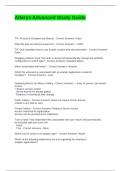
Benner's Model of Skill Acquisition - ANS-Novice Advanced Beginner Competent Proficient Expert Novice - ANS-RULE BASED LEARNER Beginner with no experience v Nursing Student in 1 year of clinical v Very limited to predict what might happen in a situation v Rule-governed behavior is limited and inflexible v Ex. "Tell me what I need to do and I'll do it." Advanced Beginner - ANS-THINGS YOU MAY STRUGGLE WITH New Grad-Nurses v Demonstrates acceptable performance v Has gained prior experience in actual situations to recognize recurring meaningful components v Principles, based on experiences, begin to be formulated to guide actions Competent - ANS-v Typically a nurse with 2-3 year's experience on the job in the same area or in similar day-to-day situations v May lack some speed and flexibility v Gains perspective from planning own actions based on conscious, abstract, and analytical thinking and helps to achieve greater efficiency and organization Proficient - ANS-v Perceives and understands situations as whole parts rather than just parts. v More holistic understanding improves decision-making v Learns from experiences what to expect in certain situations and how to modify plans Expert - ANS-v No longer relies on principles, rules, or guidelines to connect situations and determine actions v Much more background of experience v Has intuitive grasp of clinical situations v Performance is now fluid, flexible, and highly-proficient Critical Thinking - ANS-"PUTTING THE PUZZLE TOGETHER" - Thinking with a purpose. A discipline-specific, reflective reasoning process that guides a nurse in generating, implementing, and evaluating approaches for dealing with client care and professional concerns. Why is Critical Thinking important? - ANS-Needed for providing quality care, patients have more complex health care needs, be able to reprioritized clients needs and patient care using sound clinical judgment and critical thinking. Effects of Attitude in Critical Thinking - ANS-Nurses are humble and recognized that they do not have all the answers, and m be influenced by their beliefs and values. Attitude makes a critical difference whether a problem is recognized, missed or ignored. Effects of Experience in Critical Thinking - ANS-Helps us identify priorities in nursing care. Allows us to experience "recurring meaningful situational components" or aspect of situations that develop principles and guidelines that guide practice in patient situations. Critical Thinking Skills - ANS-Interpretation Analysis Inference Explanation Evaluation (Self Regulation) Interpretation - ANS-What does this mean? Categorize and Clarify Meaning Analysis - ANS-Why do you think that? Examine Ideas and Identify arguments, reason, and claims Inference - ANS-What does this evidence imply? Draw Conclusion Explanation - ANS-How did you come to that interpretation? State results, justify procedures, present arguments Evaluation - ANS-Do we have our facts right? Assess claim credibility and Assess argument quality Self Regulation - ANS-How good is our evidence? Self-monitor and Self-correct Nursing Process - ANS-Step-by-Step approach for planning and providing patient care. 4 Parts to the Nursing Process -APIE - ANS-Assessment - gathering (data collection) Planning- expected outcomes (goals) Continously ..
Escuela, estudio y materia
- Institución
- PN Program
- Grado
- PN Program
Información del documento
- Subido en
- 17 de septiembre de 2024
- Número de páginas
- 7
- Escrito en
- 2024/2025
- Tipo
- Examen
- Contiene
- Preguntas y respuestas
Temas
-
pn program
-
critical thinking
-
nursing 155 test 1
-
advanced beginner
-
beginner with no experience