Attitude and behavior change lectures
Lecture 1: attitude definition, measurement and function
Why study attitudes?
● to understand how people form and maintain preferences and beliefs
● to understand how people form and communicate their identities
● to understand and predict people their behavior
● to understand how people;s preferences beliefs and behaviors change
An attitude refers to an attitude object
● dutch cuisine, favorite movie, favorite chocolate
● anything can be an attitude object
● definition: A psychological tendency that is expressed by evaluating a particular entity
with some degree of favor or disfavor
Are attitudes stable or unstable
● File drawer model
○ existing ,stable knowledge structure about the object
○ memory based
○ consistent across situation
● temporary construction
○ temporary evaluative response based on information that is salient at the
point in time
○ not necessarily consistent across situations
○ Drinking coffee in the morning or coffee in the evening
● stable vs. unstable
○ ongoing debate about this
○ may relate to how an attitude is expressed
■ as abstract belief (do you like coffee) vs. behavioral choice (do you
like coffee right now; at 21:00)
■ attitude is more stable, evaluation difference at the moment
Attitude strength
● How strong is your attitude toward something?
○ valence: negative - positive
○ strength: weak - strong
● stronger attitudes are more predictive of behavior
● strong attitudes are more
○ stable
○ resistant to change
○ accessible
○ certain
○ predict behavior
How are attitudes measured
● Two general types of attitude measures
○ explicit (direct)
, ■ measures an attitude directly
■ How much do you like X?
■ These are conscious, declarative preferences (non declarative,
schakelen in een auto; you cannot explain precisely what and how you
are doing it.
■ Explicit measures:
● Likert scale: Assesses degree of agreement with an attitude
statement (strongly disagree - strongly agree)
○ a simple, straightforward measure of attitudes
○ it is hard to compare a score to one type of attitude to
another attitude object because of your evaluation of
you agreement
● Semantic differential: Assesses bipolar evaluation of an
attitude object (Bad - Good,& unpleasant - pleasant & negative
- positive)
○ this measure allows direct comparison across attitude
objects
○ you avoid starting with a statement (likert scale) to
avoid creating bias
● feeling thermometer
○ extremely cool → neither cool nor warm →
extremely warm
○ “please provide a rating for each of these groups:
Dutch people, belgian, german, british, french
○ assess degree of coolness vs. warmth toward attitude
object
■ a more affective measure often used to study
political and social topics
○ implicit (indirect)
■ measures an attitude indirectly
● to what extent does an attitude have an indirect influence on
your response to an object
● usually a behavioral measure
● also physiological measures
■ may asses automatic or unconscious attitudes
● but consciousness attitudes can also be expressed implicitly
(nonverbals)
■ implicit measures
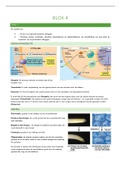
● Fazio et al. (1986)
automatic attitude
task
● if you have a
positive attitude
towards apple you
have a faster
response towards
a positive target
word and slower speed to a negative target word
,● Fazio et al, (1995) Automatic prejudice
○ are negative words classified faster after black than
white primes
○ also testing implicit attitude
○ filmpje over kijken
● The implicit association test (IAT)
○ Dual-categorization task
■ categorize positive/negative words alongside
attitude objects (ingroup/outgroup faces)
■ easier ( &faster) to make categorizations when
liked objects are classified with the same button
as positive words
● Facial Electromyography (EMG)
○ physiological measure of facial expression
■ measures electrical activity associated with
muscle contractions
○ Can measure very subtle and extremely brief changes
■ micro expressions
○ Study about using Facial EMG to measuring implicit
prejudice
■ Vanman et al. (1997)
● recruited high and low prejudice
participants
● viewed pictures of black and white faces
● rated liking for each face
● records facial EMG
○ brow contraction (corrugator
muscle)
, ○ smiling (zygomaticus muscles)
● Results: self report
○ greater reported liking for black
than white faces in both groups
● results: facial EMG
○ more negative facial activity to
black faces for high-prejudice Ps
Explanations for implicit-explicit discrepancies?
● implicit attitudes may be weakly correlated with self report measures
● What does this mean?
○ implicit measures may reflect our true attitude
○ implicit and explicit measures may reflect different underlying attitude
representations
○ implicit attitudes may reflect knowledge of the world, whereas explicit
attitudes reflect our personal views
○ explicit measures may reflect a controlled response
The ‘three witches’ of attitudes
- inhoud, structuur en functie
Inhoud
Attitude content: the tripartite model
● cognitive component
○ beliefs regarding the valence of an object
■ I like x, I dont like Y
■ x is good, y is bad
■ i find psychology courses most interesting
○ usually measured with self report questionnaires
○ can express complex attitudes that depend on content or other contingencies
■ I only like lemonade in the summertime
● Affective component
○ refers to the feelings toward an object
○ affective reactions or associations with an object
■ pleasant or unpleasant
■ joy, excitement
■ fear, disgust
○ measured in multiple ways
■ self report measures of emotion
Lecture 1: attitude definition, measurement and function
Why study attitudes?
● to understand how people form and maintain preferences and beliefs
● to understand how people form and communicate their identities
● to understand and predict people their behavior
● to understand how people;s preferences beliefs and behaviors change
An attitude refers to an attitude object
● dutch cuisine, favorite movie, favorite chocolate
● anything can be an attitude object
● definition: A psychological tendency that is expressed by evaluating a particular entity
with some degree of favor or disfavor
Are attitudes stable or unstable
● File drawer model
○ existing ,stable knowledge structure about the object
○ memory based
○ consistent across situation
● temporary construction
○ temporary evaluative response based on information that is salient at the
point in time
○ not necessarily consistent across situations
○ Drinking coffee in the morning or coffee in the evening
● stable vs. unstable
○ ongoing debate about this
○ may relate to how an attitude is expressed
■ as abstract belief (do you like coffee) vs. behavioral choice (do you
like coffee right now; at 21:00)
■ attitude is more stable, evaluation difference at the moment
Attitude strength
● How strong is your attitude toward something?
○ valence: negative - positive
○ strength: weak - strong
● stronger attitudes are more predictive of behavior
● strong attitudes are more
○ stable
○ resistant to change
○ accessible
○ certain
○ predict behavior
How are attitudes measured
● Two general types of attitude measures
○ explicit (direct)
, ■ measures an attitude directly
■ How much do you like X?
■ These are conscious, declarative preferences (non declarative,
schakelen in een auto; you cannot explain precisely what and how you
are doing it.
■ Explicit measures:
● Likert scale: Assesses degree of agreement with an attitude
statement (strongly disagree - strongly agree)
○ a simple, straightforward measure of attitudes
○ it is hard to compare a score to one type of attitude to
another attitude object because of your evaluation of
you agreement
● Semantic differential: Assesses bipolar evaluation of an
attitude object (Bad - Good,& unpleasant - pleasant & negative
- positive)
○ this measure allows direct comparison across attitude
objects
○ you avoid starting with a statement (likert scale) to
avoid creating bias
● feeling thermometer
○ extremely cool → neither cool nor warm →
extremely warm
○ “please provide a rating for each of these groups:
Dutch people, belgian, german, british, french
○ assess degree of coolness vs. warmth toward attitude
object
■ a more affective measure often used to study
political and social topics
○ implicit (indirect)
■ measures an attitude indirectly
● to what extent does an attitude have an indirect influence on
your response to an object
● usually a behavioral measure
● also physiological measures
■ may asses automatic or unconscious attitudes
● but consciousness attitudes can also be expressed implicitly
(nonverbals)
■ implicit measures
● Fazio et al. (1986)
automatic attitude
task
● if you have a
positive attitude
towards apple you
have a faster
response towards
a positive target
word and slower speed to a negative target word
,● Fazio et al, (1995) Automatic prejudice
○ are negative words classified faster after black than
white primes
○ also testing implicit attitude
○ filmpje over kijken
● The implicit association test (IAT)
○ Dual-categorization task
■ categorize positive/negative words alongside
attitude objects (ingroup/outgroup faces)
■ easier ( &faster) to make categorizations when
liked objects are classified with the same button
as positive words
● Facial Electromyography (EMG)
○ physiological measure of facial expression
■ measures electrical activity associated with
muscle contractions
○ Can measure very subtle and extremely brief changes
■ micro expressions
○ Study about using Facial EMG to measuring implicit
prejudice
■ Vanman et al. (1997)
● recruited high and low prejudice
participants
● viewed pictures of black and white faces
● rated liking for each face
● records facial EMG
○ brow contraction (corrugator
muscle)
, ○ smiling (zygomaticus muscles)
● Results: self report
○ greater reported liking for black
than white faces in both groups
● results: facial EMG
○ more negative facial activity to
black faces for high-prejudice Ps
Explanations for implicit-explicit discrepancies?
● implicit attitudes may be weakly correlated with self report measures
● What does this mean?
○ implicit measures may reflect our true attitude
○ implicit and explicit measures may reflect different underlying attitude
representations
○ implicit attitudes may reflect knowledge of the world, whereas explicit
attitudes reflect our personal views
○ explicit measures may reflect a controlled response
The ‘three witches’ of attitudes
- inhoud, structuur en functie
Inhoud
Attitude content: the tripartite model
● cognitive component
○ beliefs regarding the valence of an object
■ I like x, I dont like Y
■ x is good, y is bad
■ i find psychology courses most interesting
○ usually measured with self report questionnaires
○ can express complex attitudes that depend on content or other contingencies
■ I only like lemonade in the summertime
● Affective component
○ refers to the feelings toward an object
○ affective reactions or associations with an object
■ pleasant or unpleasant
■ joy, excitement
■ fear, disgust
○ measured in multiple ways
■ self report measures of emotion