Roots of American Government
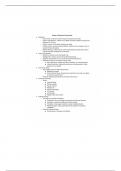
● Definitions
○ Government: the formal vehicle through which policies are made.
○ Citizen: legal definition, member of a political community entitled to security and
freedoms of a country.
○ Politics: process of how policy decisions get made.
○ Political culture: commonly shared attitudes, beliefs, and core values on how a
government should operate.
○ Political ideology: coherent set of values and beliefs that people believe about
what government should/should not be doing.
● Types of government
○ Monarchy: ruled by one for the benefit of all.
○ Totalitarianism: ruled by one for the benefit of themselves.
○ Oligarchy: government run by a few for the interest of themselves.
○ Democracy: power to the people, ruled by many.
■ Direct democracy: people make direct decisions, ex is ancient greece.
■ Indirect democracy: republican government, electing people to make
decisions on our behalf.
● America the Ideas
○ The Enlightenment and Reformation Period
■ Mayflower Compact
■ Social Contract theory: all people are inherently free so they must agree
to submit to a government.
○ American colonists practiced direct and indirect democracy.
● American Democracy
○ Tenets
■ Personal liberty
■ Political equality
■ Popular consent
■ Majority rule
■ Popular sovereignty
■ Civil society
■ Individualism
■ Religious faith and freedom
● Political Ideology
○ The roles and purposes of ideology.
■ Explanation: why some things in government are the way they are.
■ Evaluation: evaluates conditions and public policies.
■ Orientation: helps people maintain a sense of political identity.
■ Political Program: helps people decide their positions and political
candidates.
○ American political ideology
■ Conservatives, moderates, and liberals.
, ■ Social conservative
■ Libertarian
The Constitution
● Definitions
○ Confederation: type of government where power is derived from the state, has a
weak national government, and power is highly decentralized.
○ Constitution: document establishing the structure, function, and limitations of the
government.
○ Separation of powers: a way of dividing power among branches of government
where each branch is independent and has equal power.
○ Checks and balances: the power of each branch can check the power of the
other branches.
○ Federalism: when power is divided between national and state government.
○ Enumerated and implied powers: enumerated are specified in the constitution
and implied powers are not explicitly stated.
● Factors leading to independence
○ Unhappiness with English rule, taxation without representation.
○ Stamp Act Congress: response to the stamp act and the first step to creating a
unified nation.
○ First Continental Congress
○ Second Continental Congress
○ Declaration of Independence
● Articles of Confederation
○ Passed by congress in 1777.
○ Proposed a national government with few central powers, state/colony
independence, each state would have a single vote in congress, and 9/13 was
majority to pass.
○ Problems:
■ Rarely had 9 representatives to discuss business.
■ Not much agreement among the states.
■ National government had no power to tax.
■ No currency.
■ No judicial system.
○ Shay’s Rebellion
■ Farmers raided a state courthouse in Massachusetts.
■ Upset due to economic hardships.
■ There was no national army to stop the raid.
■ Caused an awareness for a revised government.
● Making of the Constitution
○ Met in Philadelphia.
○ New Jersey Plan: proposed a revision of the Articles.
○ Virginia Plan: proposed a new government.
● Definitions
○ Government: the formal vehicle through which policies are made.
○ Citizen: legal definition, member of a political community entitled to security and
freedoms of a country.
○ Politics: process of how policy decisions get made.
○ Political culture: commonly shared attitudes, beliefs, and core values on how a
government should operate.
○ Political ideology: coherent set of values and beliefs that people believe about
what government should/should not be doing.
● Types of government
○ Monarchy: ruled by one for the benefit of all.
○ Totalitarianism: ruled by one for the benefit of themselves.
○ Oligarchy: government run by a few for the interest of themselves.
○ Democracy: power to the people, ruled by many.
■ Direct democracy: people make direct decisions, ex is ancient greece.
■ Indirect democracy: republican government, electing people to make
decisions on our behalf.
● America the Ideas
○ The Enlightenment and Reformation Period
■ Mayflower Compact
■ Social Contract theory: all people are inherently free so they must agree
to submit to a government.
○ American colonists practiced direct and indirect democracy.
● American Democracy
○ Tenets
■ Personal liberty
■ Political equality
■ Popular consent
■ Majority rule
■ Popular sovereignty
■ Civil society
■ Individualism
■ Religious faith and freedom
● Political Ideology
○ The roles and purposes of ideology.
■ Explanation: why some things in government are the way they are.
■ Evaluation: evaluates conditions and public policies.
■ Orientation: helps people maintain a sense of political identity.
■ Political Program: helps people decide their positions and political
candidates.
○ American political ideology
■ Conservatives, moderates, and liberals.
, ■ Social conservative
■ Libertarian
The Constitution
● Definitions
○ Confederation: type of government where power is derived from the state, has a
weak national government, and power is highly decentralized.
○ Constitution: document establishing the structure, function, and limitations of the
government.
○ Separation of powers: a way of dividing power among branches of government
where each branch is independent and has equal power.
○ Checks and balances: the power of each branch can check the power of the
other branches.
○ Federalism: when power is divided between national and state government.
○ Enumerated and implied powers: enumerated are specified in the constitution
and implied powers are not explicitly stated.
● Factors leading to independence
○ Unhappiness with English rule, taxation without representation.
○ Stamp Act Congress: response to the stamp act and the first step to creating a
unified nation.
○ First Continental Congress
○ Second Continental Congress
○ Declaration of Independence
● Articles of Confederation
○ Passed by congress in 1777.
○ Proposed a national government with few central powers, state/colony
independence, each state would have a single vote in congress, and 9/13 was
majority to pass.
○ Problems:
■ Rarely had 9 representatives to discuss business.
■ Not much agreement among the states.
■ National government had no power to tax.
■ No currency.
■ No judicial system.
○ Shay’s Rebellion
■ Farmers raided a state courthouse in Massachusetts.
■ Upset due to economic hardships.
■ There was no national army to stop the raid.
■ Caused an awareness for a revised government.
● Making of the Constitution
○ Met in Philadelphia.
○ New Jersey Plan: proposed a revision of the Articles.
○ Virginia Plan: proposed a new government.