Test Bank For Essentials of Organizational Behavior,
15th Edition By Stephen Robbins, Timothy A. Judge
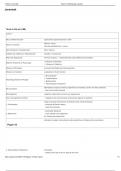
Person Job fit - ANSWER Do you have the skills to do the job?
Person Organization fit - ANSWER Do you fit in the organization/group?
Organizational Behavior - ANSWER interdisciplinary field dedicated to better
understanding and managing people at work
Who created the Hawthorne effect? - ANSWER Elton Mayo
Hawthorne Effect - ANSWER -manipulate workplace factors and measure effects
on worker's performance [lighting, temperature, rest breaks, length of work day, pay,
supervisory style]
-Results: employee performance can be improved by attending to individual needs,
supportive supervision, and group dynamics
Who was known as the pioneer of female management consultant in male-dominant
industry that saw employees as humans and try to motivate job performance? -
ANSWER Mary Parker Follett
Who was responsible for Theory Y? - ANSWER Douglas McGregor
Theory Y - ANSWER a modern and positive set of assumptions about people at
work
Contingency approach - ANSWER using management concepts and techniques in
situationally appropriate manner, instead of trying to rely on "one best way"
Human Capital - ANSWER the productive potential of an individual's knowledge
and actions
What is the Strategic assumption? - ANSWER People, individually and collectively,
are the key to organizational success
Social Capital - ANSWER productive potential resulting from strong relationships,
goodwill, trust, and cooperative effort
What are types of Human Capital? - ANSWER Training, Work-based development
opportunities, learning activities outside of work, and career planning
What are types of Social capital? - ANSWER internal and external
Human Capital: Training - ANSWER Software certification to gain knowledge and
skills to improve performance in current job
,Human Capital: Work-based development opportunities - ANSWER Job rotation,
shadowing, and cross-functional project teams to build your knowledge and your
relationships
Human Capital: learning activities outside of work - ANSWER Fluency gained in a
second language to increase opportunities within and outside of current employment
Human Capital: Career planning - ANSWER Opportunities IDed inside or outside of
your current place of employment and assess your strengths and weaknesses
Social Capital: Internal - ANSWER Mentoring relationship to provide guidance and
opportunities or membership in a company softball team to build relationships
outside of your work area
Social Capital: External - ANSWER Join local, industry-specific organizations to
identify new customers
Positive Organizational Behavior (POB) - ANSWER "the study and application of
positively oriented human resource strengths and psychological cap that can be
measured, developed, and effectively managed for performance improvement in
today's workplace"
Who created the CHOSE acronym to identify dimensions of POB? - ANSWER Fred
Luthans
What is the CHOSE model? - ANSWER Confidence/self-efficacy
Hope
Optimism
Subjective well-being
Emotional intelligence
CHOSE: Confidence/ self- efficacy - ANSWER One's belief (confidence) in being
able to successfully execute a specific task in a given context
CHOSE: Hope - ANSWER One who sets goals, figures out how to achieve them
(ID pathways) and is self-motivated to accomplish them, that is , willpower, and
"waypower"
CHOSE: Optimism - ANSWER Positive outcome expectancy and/or a positive
causal attribution, but is still emotional and linked with happiness, perseverance, and
success
CHOSE: Subjective well-being - ANSWER Beyond the emotion of happiness, how
people cognitively process and evaluate their lives, in other words, the satisfaction
with their lives
CHOSE: Emotional intelligence - ANSWER Cap for recognizing and managing in
one's own and others' emotions- self-awareness, self-motivation, being empathetic,
and having social skills
, E-business - ANSWER using info communication tech to facilitate every aspect of
running a business
Ethics - ANSWER the study of moral issues and choices
Corporate social responsibility (CSR) - ANSWER the corporations have obligations
to others, beyond shareholders and beyond the bounds of law or contract
Who created a model that involved CSR? - ANSWER Archie B. Caroll
In Caroll's CSR model what were the major trends that it trangulated? - ANSWER
1. Economic globalization
2. Expanding CSR expectations
3. Calls for improved business ethics
What are the levels of Caroll's CSR model? - ANSWER Level 1: Make a profit
consistent with expectations for international businesses to fulfill economic
responsibility
Level 2: Obey the law of host countries as well as international law to fulfill legal
responsibility
Level 3: Are ethical in their practices, taking host-country and global standards into
consideration to fulfill ethical responsibility
Level 4: Are good corporate citizens, especially as defined by the host country's
expectations to fulfill philanthropic responsbility
Who created "the magnificent seven" to guide managers and employees toward
ethical work behavior? - ANSWER Kent Hodgson
What is the magnificent seven? - ANSWER General moral principles for managers
1. Dignity of human life
2. Autonomy
3. Honesty
4. Loyalty
5. Fairness
6. Humaneness
7. The common good
How to Improve the Organization's Ethical Climate? - ANSWER -Behave ethically
yourself
-Screen potential employees
-Develop a meaningful code of ethics
-Provide ethics training
-Reinforce ethical behavior
-Create positions, units, and other structural mechanisms
Whistle-blowing - ANSWER occurs when an employee reports a perceived
unethical and/or illegal activity to a third party such as government agencies, news
media, or public-interest groups
15th Edition By Stephen Robbins, Timothy A. Judge
Person Job fit - ANSWER Do you have the skills to do the job?
Person Organization fit - ANSWER Do you fit in the organization/group?
Organizational Behavior - ANSWER interdisciplinary field dedicated to better
understanding and managing people at work
Who created the Hawthorne effect? - ANSWER Elton Mayo
Hawthorne Effect - ANSWER -manipulate workplace factors and measure effects
on worker's performance [lighting, temperature, rest breaks, length of work day, pay,
supervisory style]
-Results: employee performance can be improved by attending to individual needs,
supportive supervision, and group dynamics
Who was known as the pioneer of female management consultant in male-dominant
industry that saw employees as humans and try to motivate job performance? -
ANSWER Mary Parker Follett
Who was responsible for Theory Y? - ANSWER Douglas McGregor
Theory Y - ANSWER a modern and positive set of assumptions about people at
work
Contingency approach - ANSWER using management concepts and techniques in
situationally appropriate manner, instead of trying to rely on "one best way"
Human Capital - ANSWER the productive potential of an individual's knowledge
and actions
What is the Strategic assumption? - ANSWER People, individually and collectively,
are the key to organizational success
Social Capital - ANSWER productive potential resulting from strong relationships,
goodwill, trust, and cooperative effort
What are types of Human Capital? - ANSWER Training, Work-based development
opportunities, learning activities outside of work, and career planning
What are types of Social capital? - ANSWER internal and external
Human Capital: Training - ANSWER Software certification to gain knowledge and
skills to improve performance in current job
,Human Capital: Work-based development opportunities - ANSWER Job rotation,
shadowing, and cross-functional project teams to build your knowledge and your
relationships
Human Capital: learning activities outside of work - ANSWER Fluency gained in a
second language to increase opportunities within and outside of current employment
Human Capital: Career planning - ANSWER Opportunities IDed inside or outside of
your current place of employment and assess your strengths and weaknesses
Social Capital: Internal - ANSWER Mentoring relationship to provide guidance and
opportunities or membership in a company softball team to build relationships
outside of your work area
Social Capital: External - ANSWER Join local, industry-specific organizations to
identify new customers
Positive Organizational Behavior (POB) - ANSWER "the study and application of
positively oriented human resource strengths and psychological cap that can be
measured, developed, and effectively managed for performance improvement in
today's workplace"
Who created the CHOSE acronym to identify dimensions of POB? - ANSWER Fred
Luthans
What is the CHOSE model? - ANSWER Confidence/self-efficacy
Hope
Optimism
Subjective well-being
Emotional intelligence
CHOSE: Confidence/ self- efficacy - ANSWER One's belief (confidence) in being
able to successfully execute a specific task in a given context
CHOSE: Hope - ANSWER One who sets goals, figures out how to achieve them
(ID pathways) and is self-motivated to accomplish them, that is , willpower, and
"waypower"
CHOSE: Optimism - ANSWER Positive outcome expectancy and/or a positive
causal attribution, but is still emotional and linked with happiness, perseverance, and
success
CHOSE: Subjective well-being - ANSWER Beyond the emotion of happiness, how
people cognitively process and evaluate their lives, in other words, the satisfaction
with their lives
CHOSE: Emotional intelligence - ANSWER Cap for recognizing and managing in
one's own and others' emotions- self-awareness, self-motivation, being empathetic,
and having social skills
, E-business - ANSWER using info communication tech to facilitate every aspect of
running a business
Ethics - ANSWER the study of moral issues and choices
Corporate social responsibility (CSR) - ANSWER the corporations have obligations
to others, beyond shareholders and beyond the bounds of law or contract
Who created a model that involved CSR? - ANSWER Archie B. Caroll
In Caroll's CSR model what were the major trends that it trangulated? - ANSWER
1. Economic globalization
2. Expanding CSR expectations
3. Calls for improved business ethics
What are the levels of Caroll's CSR model? - ANSWER Level 1: Make a profit
consistent with expectations for international businesses to fulfill economic
responsibility
Level 2: Obey the law of host countries as well as international law to fulfill legal
responsibility
Level 3: Are ethical in their practices, taking host-country and global standards into
consideration to fulfill ethical responsibility
Level 4: Are good corporate citizens, especially as defined by the host country's
expectations to fulfill philanthropic responsbility
Who created "the magnificent seven" to guide managers and employees toward
ethical work behavior? - ANSWER Kent Hodgson
What is the magnificent seven? - ANSWER General moral principles for managers
1. Dignity of human life
2. Autonomy
3. Honesty
4. Loyalty
5. Fairness
6. Humaneness
7. The common good
How to Improve the Organization's Ethical Climate? - ANSWER -Behave ethically
yourself
-Screen potential employees
-Develop a meaningful code of ethics
-Provide ethics training
-Reinforce ethical behavior
-Create positions, units, and other structural mechanisms
Whistle-blowing - ANSWER occurs when an employee reports a perceived
unethical and/or illegal activity to a third party such as government agencies, news
media, or public-interest groups