Origins of psychology
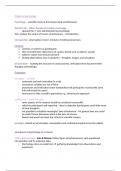
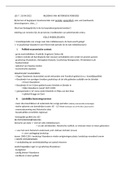
Psychology – scientific study of the human mind and behaviour
Wundt’s lab – father/founder of modern psychology
- Opened the 1st ever lad dedicated to psychology
Aim: analyse the nature of human consciousness – introspection
Introspection- observation of one’s mental or emotional processes.
Method:
used his co-workers as participants
they recorded their experiences of various stimuli such as objects, sounds
asked to report how they perceived it.
divided observations into 3 categories – thoughts, images, and sensations
structuralism – isolating the structure of consciousness. (introspect then document their
thoughts and feelings)
Evaluation
Strengths – scientific
- systematic and well controlled (in a lab)
- extraneous variables are not a factor
- procedures and instructions were standardised (all participants received the same
info and tested the same)
- forerunner to later scientific approaches e.g., behaviourist approach
weaknesses – subjective data
- some aspects of his research would be considered unscientific
- relied on participants self-reporting – data is subjective (participants could hide some
of their thoughts)
- not possible to establish meaningful ‘laws of behaviour’. Yet general laws are useful
to predict future behaviour which is the aims of science.
- flawed and would not meet the criteria of scientific enquiry
paradigm: shared set of principles, assumptions and methods accepted across the subject
emergence of psychology as a science
1900’s Behaviourists: John B Watson (father figure of behaviourism), who questioned
introspection and its subjective data.
- Psychology relies on empiricism gathering knowledge from observations and
experience
Psychology – scientific study of the human mind and behaviour
Wundt’s lab – father/founder of modern psychology
- Opened the 1st ever lad dedicated to psychology
Aim: analyse the nature of human consciousness – introspection
Introspection- observation of one’s mental or emotional processes.
Method:
used his co-workers as participants
they recorded their experiences of various stimuli such as objects, sounds
asked to report how they perceived it.
divided observations into 3 categories – thoughts, images, and sensations
structuralism – isolating the structure of consciousness. (introspect then document their
thoughts and feelings)
Evaluation
Strengths – scientific
- systematic and well controlled (in a lab)
- extraneous variables are not a factor
- procedures and instructions were standardised (all participants received the same
info and tested the same)
- forerunner to later scientific approaches e.g., behaviourist approach
weaknesses – subjective data
- some aspects of his research would be considered unscientific
- relied on participants self-reporting – data is subjective (participants could hide some
of their thoughts)
- not possible to establish meaningful ‘laws of behaviour’. Yet general laws are useful
to predict future behaviour which is the aims of science.
- flawed and would not meet the criteria of scientific enquiry
paradigm: shared set of principles, assumptions and methods accepted across the subject
emergence of psychology as a science
1900’s Behaviourists: John B Watson (father figure of behaviourism), who questioned
introspection and its subjective data.
- Psychology relies on empiricism gathering knowledge from observations and
experience